How Much Electric Does The Average House Use
Ever wonder where all that electricity goes after you flip a switch? Or maybe you’re staring at your latest electricity bill, wondering if your house is guzzling more power than it should. Understanding how much electricity the average house uses isn’t just about satisfying curiosity; it's about taking control of your energy consumption and potentially saving a bundle on your bills. Think of it as becoming your home's personal energy detective!
The purpose of understanding your home's energy usage is simple: knowledge is power! By knowing how your usage compares to the average, you can identify areas where you might be using more electricity than necessary. This allows you to make informed decisions about energy-efficient upgrades, adjust your habits, and ultimately, reduce your environmental footprint. It's a win-win situation for your wallet and the planet.
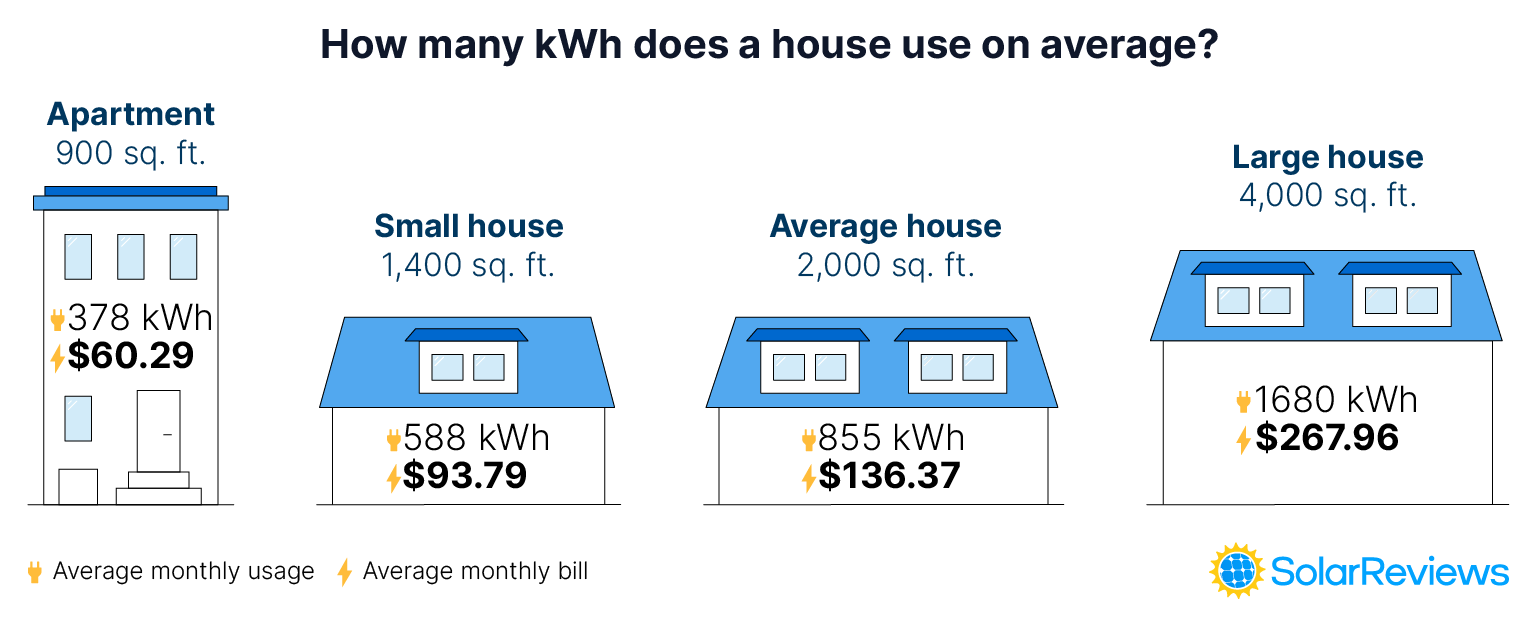
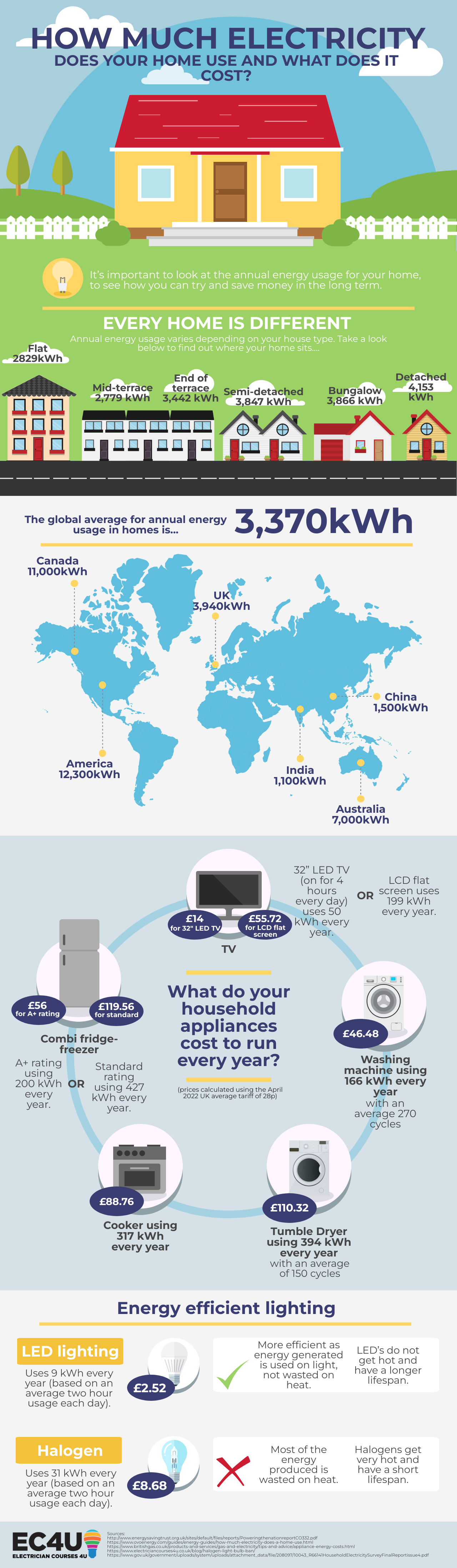
So, how much electric does the average house use? The answer isn't a single number, but a range. In the United States, the average household consumes around 886 kWh per month, or roughly 10,632 kWh per year, according to the U.S. Energy Information Administration (EIA). But remember, “average” is just that – an average! Your actual consumption can vary greatly depending on several factors.
Must Read
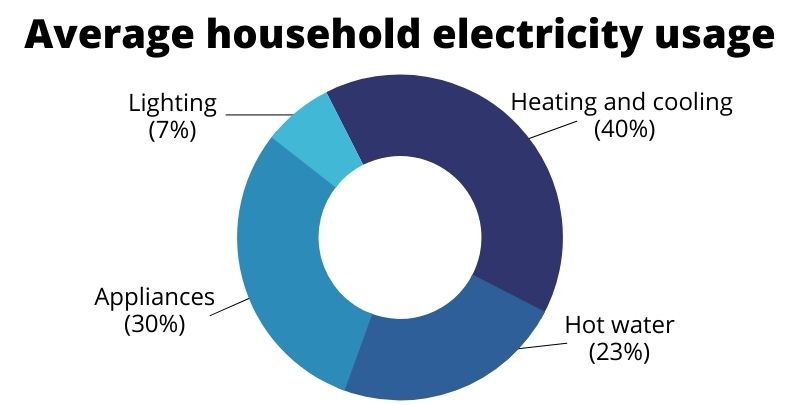
What are those factors? Glad you asked! Here are a few key contributors to your home's energy appetite:
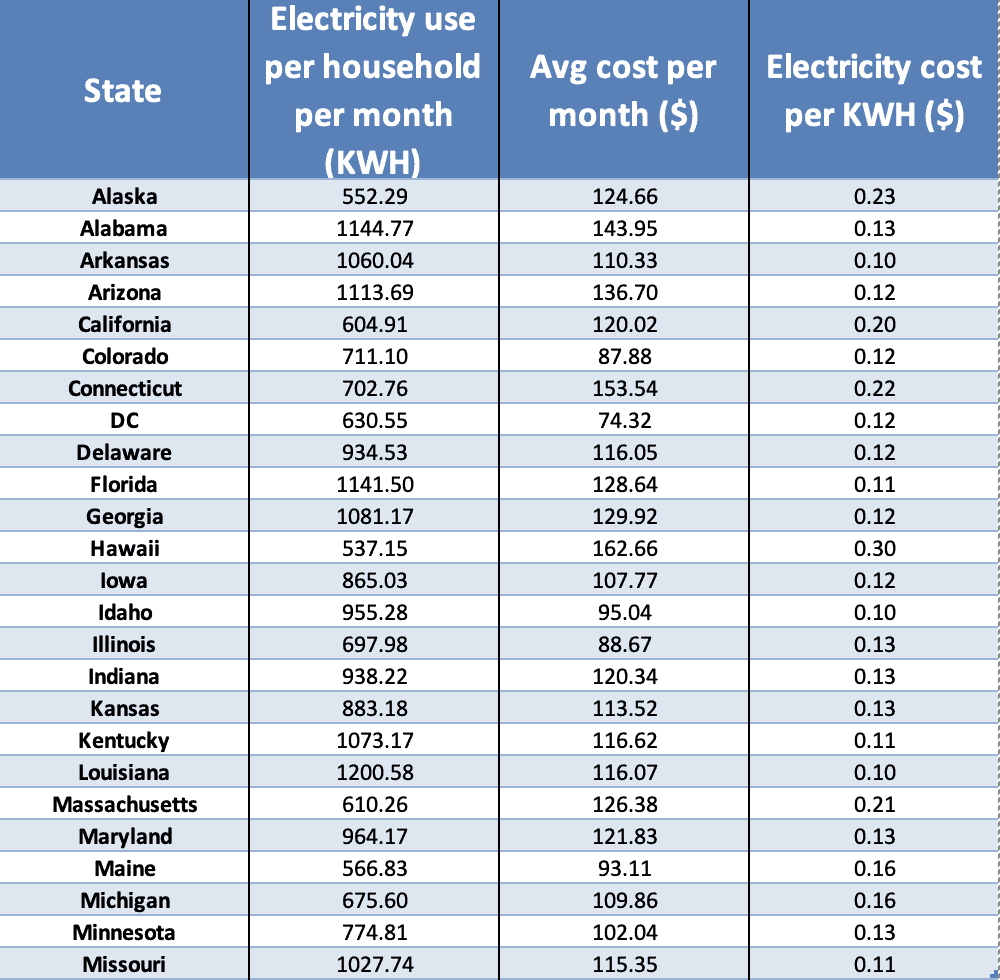
- Location and Climate: Homes in hotter climates tend to use more electricity for air conditioning, while those in colder climates may use more for heating, even if they're using natural gas or oil as the primary heating source since electricity is needed to power the fan for heating.
- House Size and Insulation: Larger homes naturally require more energy to heat and cool. Poor insulation can also lead to significant energy loss, forcing your HVAC system to work harder.
- Appliances and Electronics: Refrigerators, washing machines, dryers, dishwashers, televisions, computers – they all contribute to your energy bill. Older, less energy-efficient appliances can be real power hogs.
- Number of Occupants: More people living in a house generally means more electricity usage for things like lighting, showers, and laundry.
- Lifestyle and Habits: Do you leave lights on when you leave a room? Do you have energy-saving light bulbs? The way you and your family use energy makes a huge difference.
Now that you have a general idea of average usage and the factors that influence it, what can you do? Start by checking your own electricity bill and comparing your usage to the average. Then, consider conducting a home energy audit to identify areas where you can improve efficiency. Even small changes, like switching to LED light bulbs, unplugging electronics when not in use, and adjusting your thermostat, can make a big difference over time. There are lots of resources available online to help you, including many offered by your local utility company.
Understanding your home's energy consumption is empowering. It allows you to make informed choices, save money, and contribute to a more sustainable future. So, go ahead, become an energy detective and start saving today!