How Much Does The Average Household Use In Electricity
Ever wonder where all that electricity you’re paying for actually goes? It's a surprisingly fascinating question! Understanding your household's energy consumption isn't just about saving a few bucks; it's about being more environmentally conscious and making informed decisions about the appliances and habits that power your life. Plus, figuring out your energy footprint can feel a bit like detective work – uncovering hidden energy vampires lurking in your outlets!
The purpose of understanding average household electricity use is simple: it gives you a benchmark. Knowing what's typical helps you identify if you're an energy hog (no judgment!) or a super-saver. This knowledge empowers you to take steps to reduce your consumption, leading to lower utility bills and a smaller impact on the planet. Think of it as taking control of your energy destiny! The benefits extend beyond just your wallet; reducing energy consumption contributes to cleaner air, less reliance on fossil fuels, and a more sustainable future for everyone.
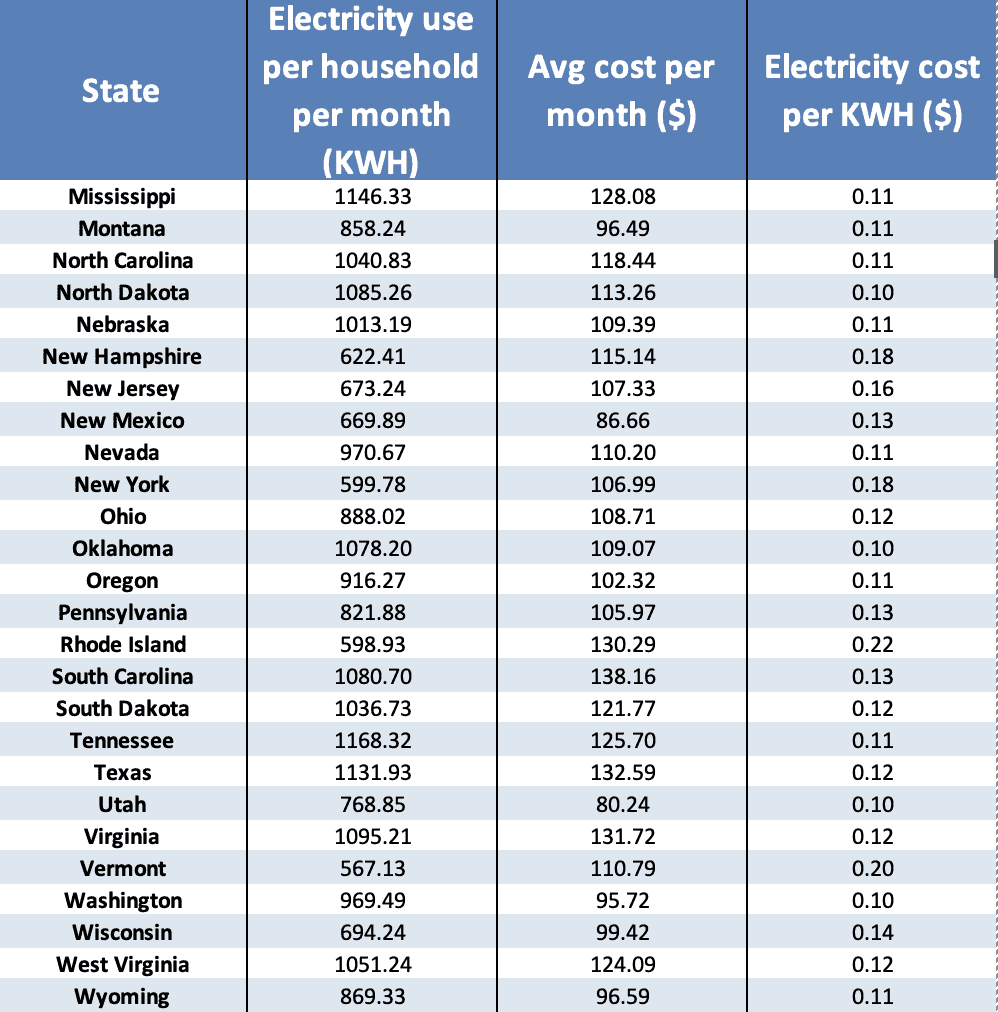
So, how much electricity does the average household use? Drumroll please... In the United States, the average household consumes around 886 kWh (kilowatt-hours) per month, according to the U.S. Energy Information Administration (EIA). That's enough to power a refrigerator, lights, and various electronic devices. Now, this is just an average, and your actual usage can vary significantly based on several factors.
Must Read
What affects your electricity usage? Several things play a role:
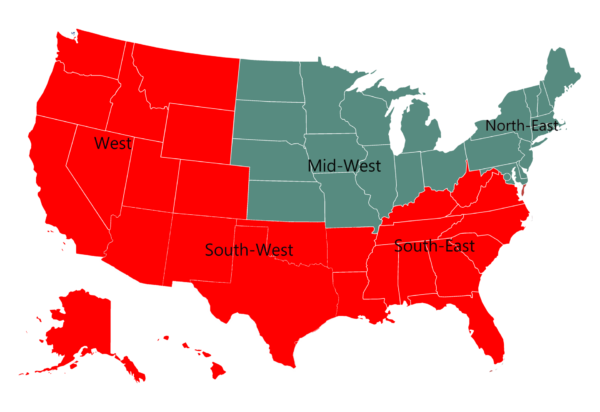
- Location, Location, Location: Climate is a huge factor. Hotter climates require more air conditioning, driving up electricity consumption, while colder climates might rely more on natural gas or other fuels for heating.
- House Size: A larger home naturally requires more energy to heat, cool, and light.
- Occupancy: More people means more showers, laundry loads, and devices being used.
- Appliances: Older, less efficient appliances are energy guzzlers. Energy Star certified appliances are designed to minimize energy consumption.
- Habits: Leaving lights on, phantom loads from electronics plugged in but not in use (we're looking at you, phone chargers!), and long showers all contribute to higher electricity bills.
Okay, so you know the average and what impacts usage. What can you do about it? Start by checking your electricity bill. Most utility companies provide a breakdown of your usage and even compare it to similar households. Next, conduct an energy audit of your home. Look for drafts, check insulation, and identify older appliances that could be replaced. Unplug devices when not in use, switch to LED lighting, and consider using a programmable thermostat to automatically adjust the temperature when you're away or asleep. Simple changes can make a big difference!
Understanding your electricity usage isn't just about numbers; it's about empowering yourself to make informed choices and live more sustainably. So, grab your bill, do some investigating, and start saving energy (and money!) today. You might be surprised at what you discover!