
How Much Does It Cost To Run Electric Heating

Hey there, cozy creatures! Ever wondered how much it really costs to keep your electric heater humming? It's a question that pops up every winter, right? Let's dive in, and break down the electric heating bill without all the confusing jargon. Think of this as a friendly chat over a warm cuppa, figuring out how to keep those bills manageable.
First things first: why is this even interesting? Well, controlling your energy costs is like having a superpower! It means more money in your pocket for, you know, fun stuff. Plus, understanding your energy usage helps you make smarter choices, and who doesn't love being smart?
The Big Players: Watts, Kilowatts, and Hours
Okay, let's tackle the technical stuff, but I promise it won’t be painful. Everything boils down to three key things: the wattage of your heater, how many hours you run it, and your electricity price per kilowatt-hour (kWh). Think of it like baking a cake. Wattage is like the oven temperature, hours are how long you bake, and the kWh price is the cost of your ingredients.
Must Read
Most electric heaters have a wattage listed somewhere on them – usually on a sticker or in the manual. It might be something like 1500 watts, which is pretty common. Now, let's translate that to kilowatts. Since "kilo" means a thousand, 1500 watts is simply 1.5 kilowatts. See? Not so scary!
Your electricity bill will show you the price per kWh. This varies depending on where you live and your energy provider. Let's say it’s $0.20 per kWh for example (that's twenty cents).
So, how do we crunch the numbers?
The Math (Don't Panic!)
It's super simple! Here's the formula:
Cost = Kilowatts x Hours x Price per kWh
Let’s say you run that 1.5 kW heater for 3 hours a day. Plug it into the formula:
Cost = 1.5 kW x 3 hours x $0.20/kWh = $0.90

That means it costs you $0.90 to run that heater for 3 hours. Now, let's zoom out and see how much it costs per day.
And, if you did that every day for a month (30 days), it would be $0.90 x 30 = $27.00.
See? Electric heating cost revealed! It's not magic, just simple math.

Factors That Crank Up the Cost
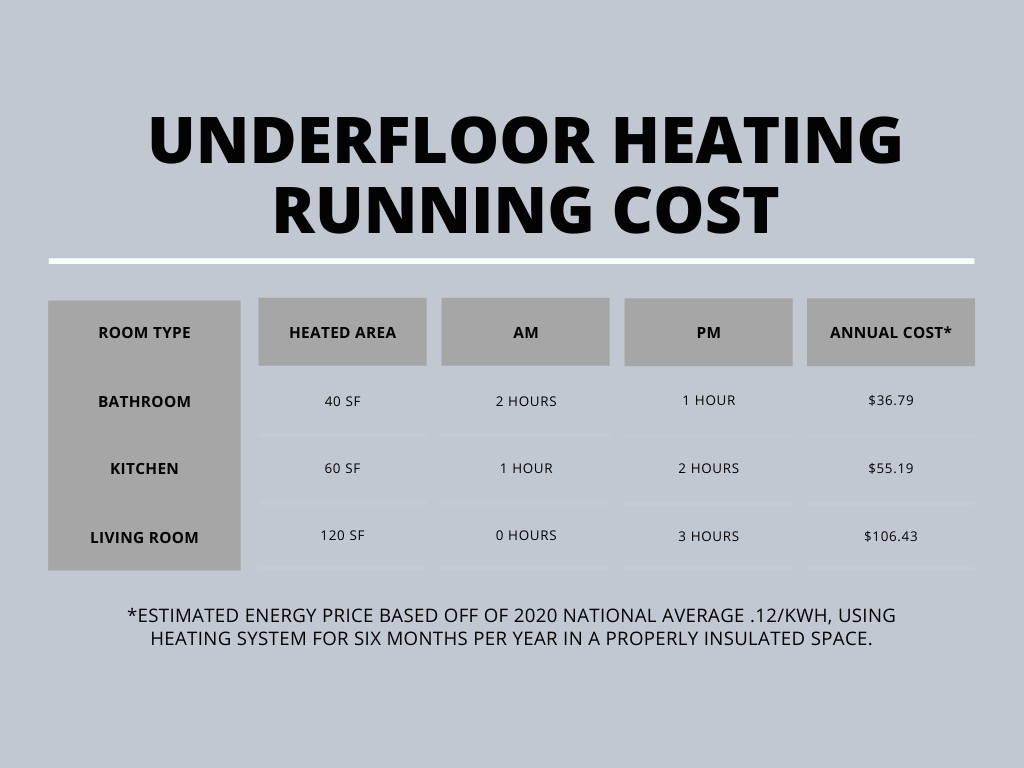
Of course, real life is never quite that simple, is it? Several things can influence your electric heating bill. The size of your room is a big one. A tiny bathroom will heat up much faster (and cost less) than a sprawling living room. The insulation in your home makes a huge difference. Think of good insulation as a cozy blanket for your house, keeping the heat in and the cold out. Draughty windows and doors are like having holes in that blanket!
Also, the thermostat setting plays a huge role. Turning the thermostat up just a few degrees can significantly increase your energy consumption. It’s like putting your foot down harder on the gas pedal – you'll get there faster, but you'll burn more fuel (or in this case, electricity).
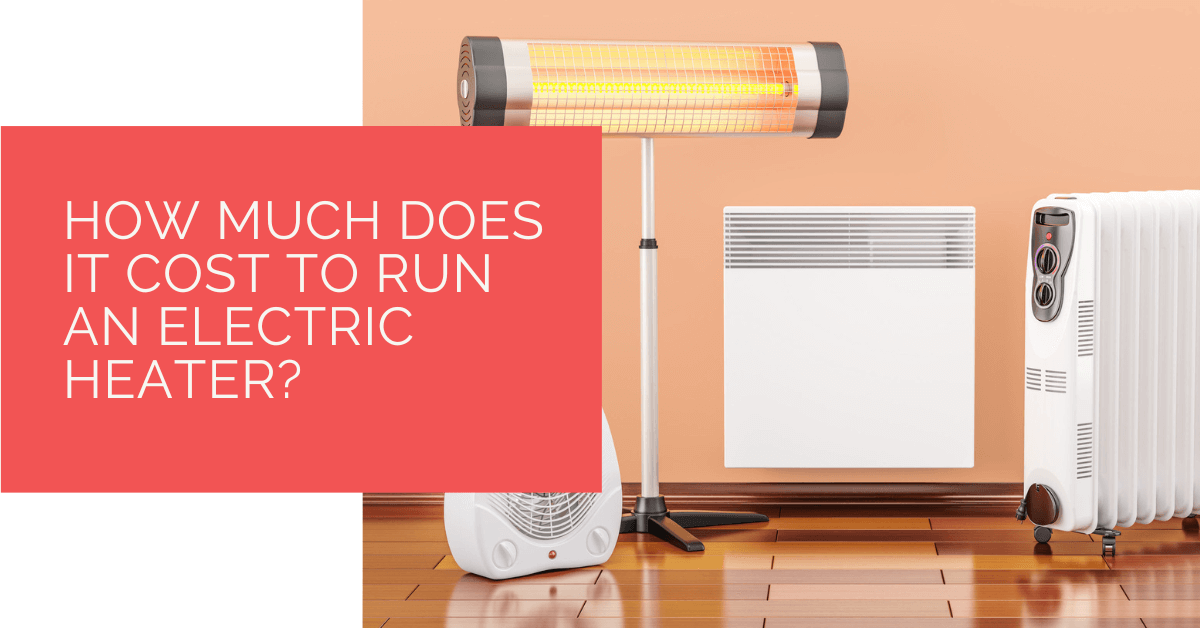
The type of heater you use matters too. Some heaters are more energy-efficient than others. For instance, some oil-filled radiators retain heat for longer, potentially using less electricity overall. Fan heaters, on the other hand, heat up quickly but might not be as efficient for long-term use.
Pro Tip: If you have baseboard heaters make sure they aren't blocked by furniture. Also, avoid having curtains or rugs blocking the airflow of any type of heater.
Fun Comparisons!
To put things in perspective, let’s compare electric heating to other everyday costs. That $27 a month to run your heater? That's like... fewer than 6 fancy lattes from your favorite coffee shop. Or maybe it's half a tank of gas for your car. Thinking about it this way helps you prioritize and see where you can make small changes.
Speaking of changes, small adjustments to your heating habits can make a big difference over time. Turn down the thermostat when you're not home or when you're sleeping. Use a programmable thermostat to automatically adjust the temperature. And consider investing in some good old-fashioned draught excluders for your doors and windows. These little investments can pay off big time in the long run.
The Bottom Line: Be a Heating Detective
Ultimately, figuring out the cost of running electric heating is about being a bit of a detective. Check your heater's wattage, know your electricity price, and be mindful of how you use your heater. Every house is different, so spend a few days monitoring your usage.
Keep an eye on your electricity bill, experiment with different thermostat settings, and see what works best for you. A little bit of knowledge goes a long way in keeping those electric heating costs manageable and your home toasty warm. Now, go forth and conquer those winter bills!