
How Much Does It Cost To Replace A Flex Pipe
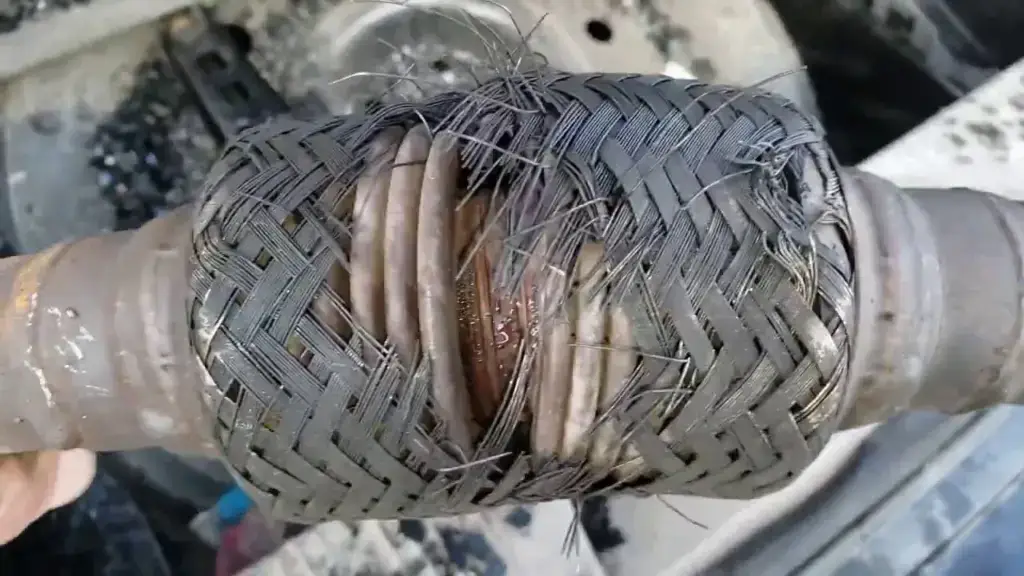
So, your car sounds like a grumpy dragon? It might be your flex pipe. Let's talk about fixing that beastly noise. We're diving into the cost of replacing it!
The Curious Case of the Flex Pipe
First, what even is a flex pipe? Think of it as your car's flexible exhaust joint. It's like the gymnast of your exhaust system, bending and flexing.
Why is it so important? It absorbs vibrations and movements. Without it, your exhaust system would be super rigid. Imagine all the rattling!
Must Read
When it goes bad, things get LOUD. Really loud. Think "embarrassing drive-thru order" loud.
Decoding the Cost Conundrum
Alright, let's get down to the nitty-gritty. How much will this little adventure set you back? Buckle up, because it's not always a straightforward answer.
The cost to replace a flex pipe depends on a few things. We're talking about parts, labor, and your car's specific needs.
Generally, you're looking at a range from $100 to $400. But, and this is a big but, it could be more.
Parting Ways with Your Money: The Parts
The flex pipe itself isn't super expensive. You can often find a decent one for around $20 to $100.
However, quality matters! A cheap flex pipe might only last a short time. So, consider investing in a slightly better one.
Sometimes, the mechanic might recommend replacing other parts too. This could include gaskets, clamps, or even a section of the exhaust pipe.
Labor Pains: The Mechanic's Touch
Labor costs can vary quite a bit. It depends on the mechanic's hourly rate and the complexity of the job.
Expect to pay somewhere between $80 to $300 for labor. Some cars are easier to work on than others.

A rusty or seized exhaust system can make the job much harder. This will definitely increase the labor time (and the bill!).
The Car Factor: Each Vehicle is Unique
Your car's make and model plays a big role. Some cars have easy-to-access flex pipes. Others? Not so much.
European cars, for example, can sometimes be more expensive. Their parts might be pricier, and the labor can be more involved.
Older cars might have more rust and corrosion. This can make removing the old flex pipe a real challenge.
DIY or Pro? A Question of Skill
Are you the handy type? Replacing a flex pipe yourself is possible. But, it's not for the faint of heart.
You'll need some basic tools, like a wrench, a socket set, and maybe a saw. You'll also need some know-how.
If you're not comfortable working on cars, leave it to the professionals. You don't want to make things worse!
The DIY Route: Saving Some Green
The biggest advantage of DIY is saving on labor costs. You'll only pay for the parts.
But, be honest with yourself about your skills. A mistake could end up costing you more in the long run.
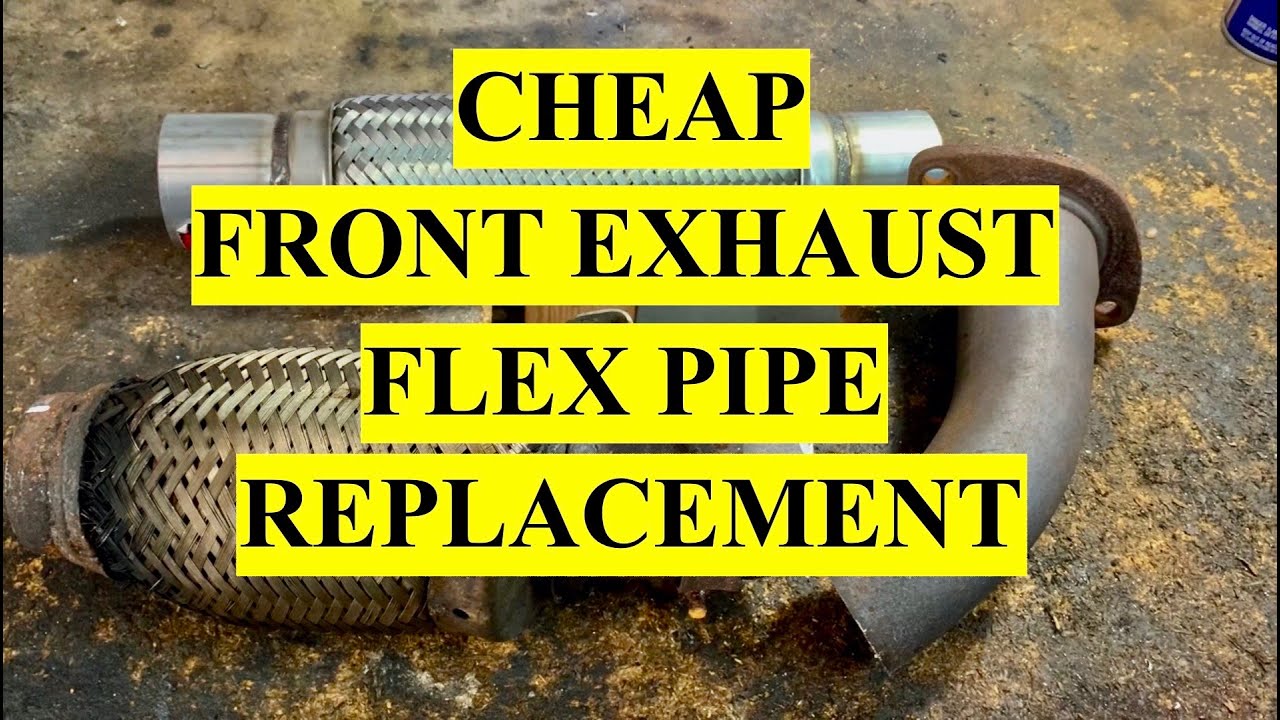
Make sure you have a safe workspace and the proper safety gear. Exhaust fumes are nasty stuff!
The Pro Route: Peace of Mind
Going to a mechanic gives you peace of mind. They have the experience and the tools to do the job right.
Plus, they can inspect your entire exhaust system. They might spot other potential problems before they become major issues.
You'll also get a warranty on the work. This protects you if something goes wrong after the repair.
Shopping Around: Getting the Best Deal
Don't just go to the first mechanic you find. Get quotes from a few different shops.
Ask for a detailed breakdown of the costs. This will help you compare apples to apples.
Check online reviews to see what other people have to say. A good reputation is a good sign.
Negotiating the Price: It Doesn't Hurt to Ask
Don't be afraid to negotiate the price. Mechanics are often willing to work with you.
See if they offer any discounts or specials. You might be surprised at what you can save.

If you're paying cash, you might be able to get a better deal. It's always worth a shot!
Spotting a Bad Flex Pipe: Signs and Symptoms
So, how do you know if your flex pipe is actually bad? Here are some telltale signs.
The most obvious sign is a loud exhaust leak. It'll sound like a hissing, roaring, or sputtering noise.
You might also notice a decrease in fuel efficiency. A leaking exhaust system can mess with your engine's performance.
The Smell Test: A Nasty Odor
A bad flex pipe can let exhaust fumes into the cabin. This is a serious health hazard.
If you smell exhaust inside your car, get it checked out immediately. Don't drive with the windows closed.
The smell is usually a strong, acrid odor. It's not something you want to ignore.
The Visual Inspection: Seeing is Believing
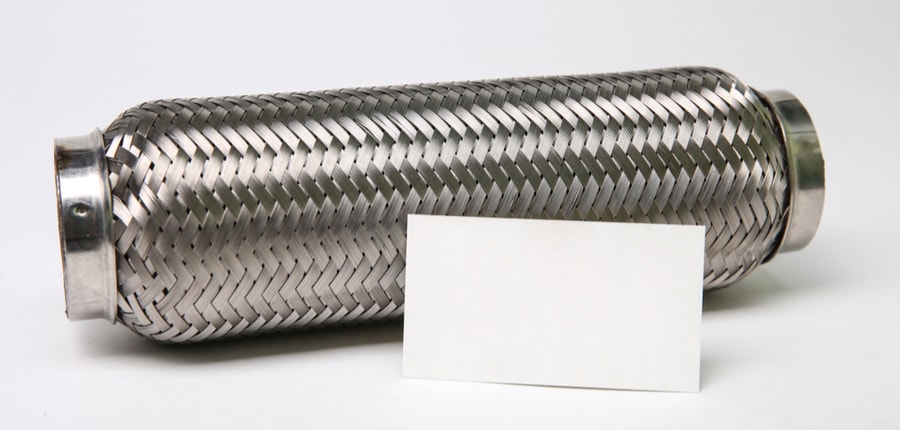
Sometimes, you can visually inspect the flex pipe. Look for cracks, holes, or corrosion.
A small crack can quickly turn into a big problem. It's best to address it early.
Be careful when inspecting the exhaust system. It can be very hot, especially after driving.
Preventing Flex Pipe Failure: A Little TLC
You can't completely prevent flex pipe failure. But, you can take steps to prolong its life.
Avoid driving over potholes and speed bumps too quickly. These can put stress on the exhaust system.
Have your exhaust system inspected regularly. Catching problems early can save you money in the long run.
Regular Maintenance: Keeping Things Running Smoothly
Make sure your engine is running properly. A misfiring engine can put extra stress on the exhaust system.
Address any exhaust leaks promptly. A small leak can lead to bigger problems.
Consider using a high-quality exhaust system cleaner. This can help remove carbon buildup and prevent corrosion.
The Final Verdict: Is it Worth it?
Replacing a flex pipe is usually a worthwhile investment. It can improve your car's performance and fuel efficiency.
Plus, it'll get rid of that embarrassing exhaust noise. You'll be able to drive around in peace and quiet.
So, if your car is sounding a little rough, don't ignore it. Get your flex pipe checked out. Your ears (and your neighbors) will thank you!