How Much Does It Cost To Put Utilities On Land
So, you're thinking about buying some land, huh? Maybe building your dream cabin in the woods? Or perhaps starting that alpaca farm you've always talked about? Awesome! But before you start picturing yourself sipping hot cocoa on your porch, let’s talk about something slightly less glamorous: utilities. Specifically, how much that's gonna set you back. Because, let's be honest, alpacas need water too!
Okay, first things first. There’s no one-size-fits-all answer. The cost of hooking up utilities to raw land is like asking "How long is a piece of string?" It totally depends. Prepare yourself, because there will be variables. Oh, the variables!
The Big Players: What Utilities Are We Talking About?
We’re not just talking about flicking on a light switch here. We're talking about the whole shebang. Think of it like outfitting a tiny house...on a giant piece of land. We need to cover the basics:
Must Read
- Electricity: Because, you know, Netflix. Essential.
- Water: Hydration is key! And showers. Let's not forget showers.
- Sewer/Septic: Where does everything go? Seriously important.
- Natural Gas (Maybe?): If you’re feeling fancy and want that cozy fireplace vibe.
- Internet/Phone: Okay, not technically a utility, but try living without it in this day and age! Good luck getting your alpaca videos viral without Wi-Fi!
Each of these comes with its own unique set of costs and challenges. Get ready to do some research (and maybe a little begging) to figure out what's available near your land.
Location, Location, Location! (And Distance!)
This is a huge factor. If your land is right next to a well-established neighborhood, you're in luck! It’ll be much cheaper to tap into existing lines. Think of it like ordering pizza – closer to the pizza place, the faster (and cheaper!) it arrives. But if you're out in the boonies, miles from civilization… well, your wallet might start weeping.
The further you are from existing utility connections, the more it's going to cost. We're talking trenching, running lines, installing transformers…it all adds up. Think in terms of hundreds of feet (or even miles!) and you'll start to get a sense of the potential expense. So, that secluded mountain top? Might be beautiful, but ouch, your bank account.
So, How Much Roughly Are We Talking?
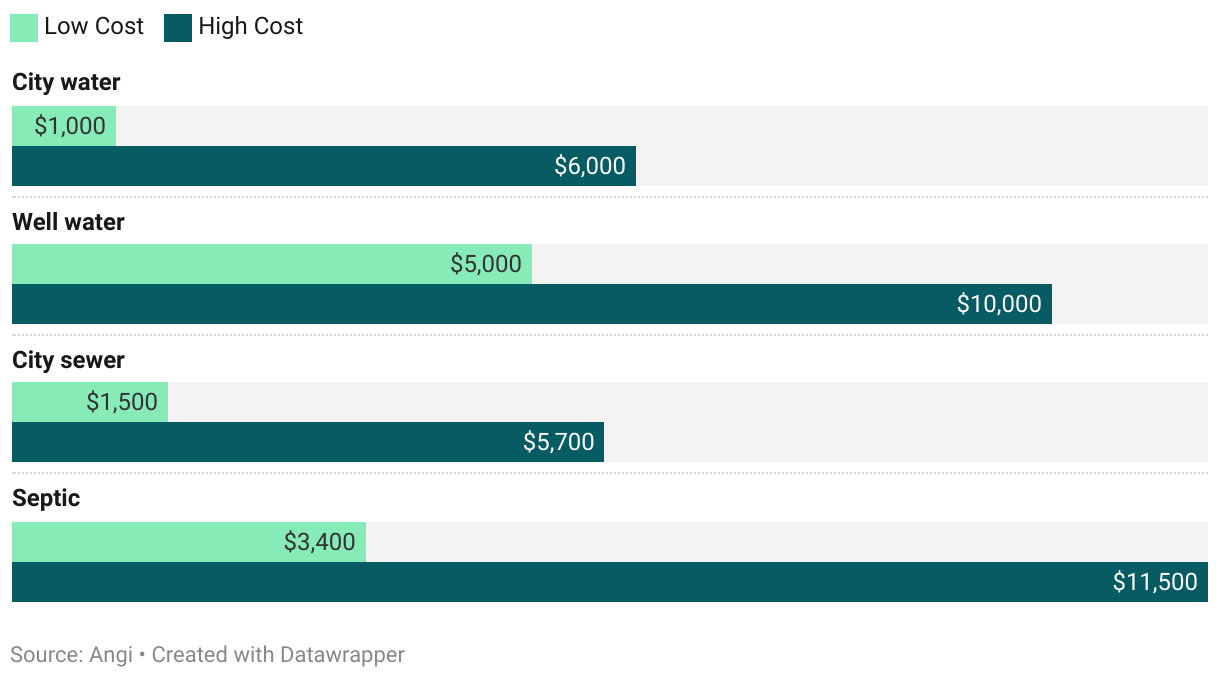
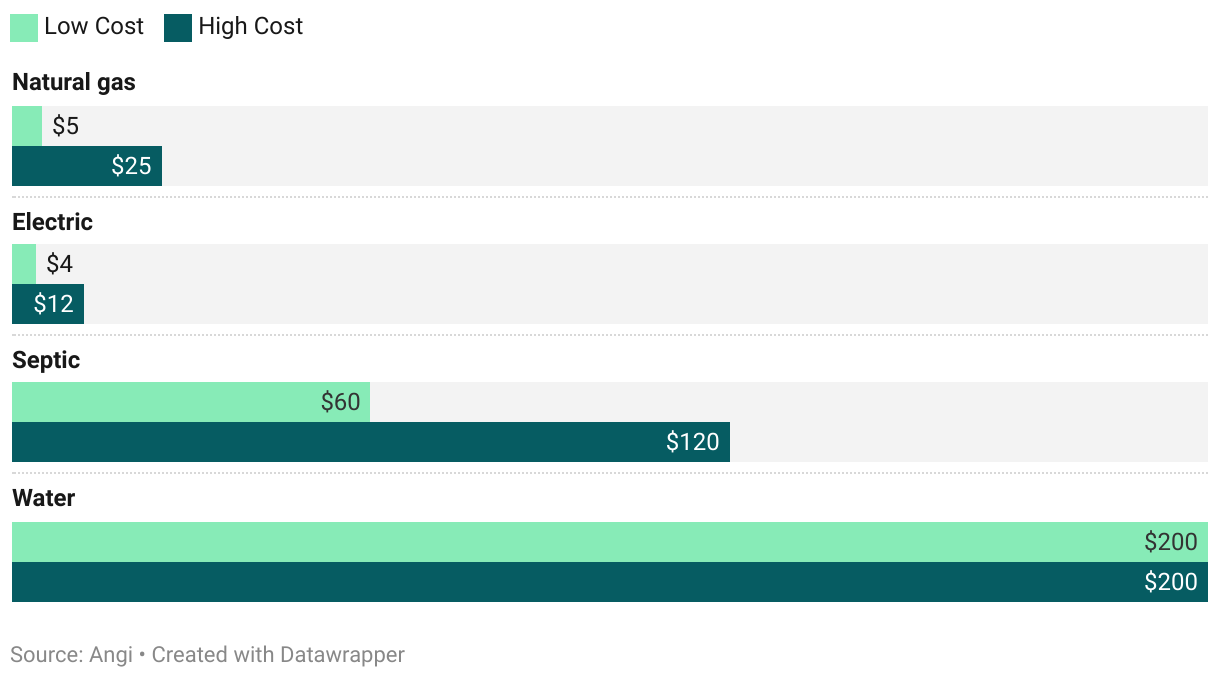
Okay, okay, I know that's what you really want to know. Let's throw out some very rough estimates. Remember, these are just ballpark figures, and your mileage may vary. Consider them whispered rumors heard around a dusty campfire.
- Electricity: $3,000 - $15,000+. Trenching alone can cost a fortune!
- Water: $2,000 - $10,000+. Depends on well depth (if you need one) and connection fees.
- Sewer/Septic: $5,000 - $20,000+. Septic systems are a whole different ballgame. Soil testing, permits… ugh.
- Natural Gas: $1,000 - $5,000+. Less common, but still potentially pricey.
See? That's a pretty wide range! And that doesn’t even factor in permits, inspections, and those pesky "miscellaneous fees" that always seem to pop up. Always. Always.
Tips for Keeping Costs Down (Maybe…)
Alright, feeling a little overwhelmed? Don't despair! Here are a few things you can do to potentially save some money (or at least, cushion the blow):
- Do Your Research! Call the local utility companies before you buy the land. Get quotes! Get multiple quotes!
- Negotiate! Everything is negotiable, right? (Well, almost everything.)
- Consider Alternatives! Solar power? Well water? Composting toilet? Think outside the box! Just make sure everything is up to code, of course.
- Be Prepared for Surprises! Because Murphy's Law is always watching. Always. Set aside a contingency fund for the unexpected. Trust me on this one.
In conclusion, putting utilities on land can be a significant investment. But with careful planning, diligent research, and a healthy dose of humor, you can make your dream property a reality. Now go forth and conquer! And maybe invest in some really good hiking boots. You'll be doing a lot of walking.