
How Much Does It Cost To Install Whole House Generator
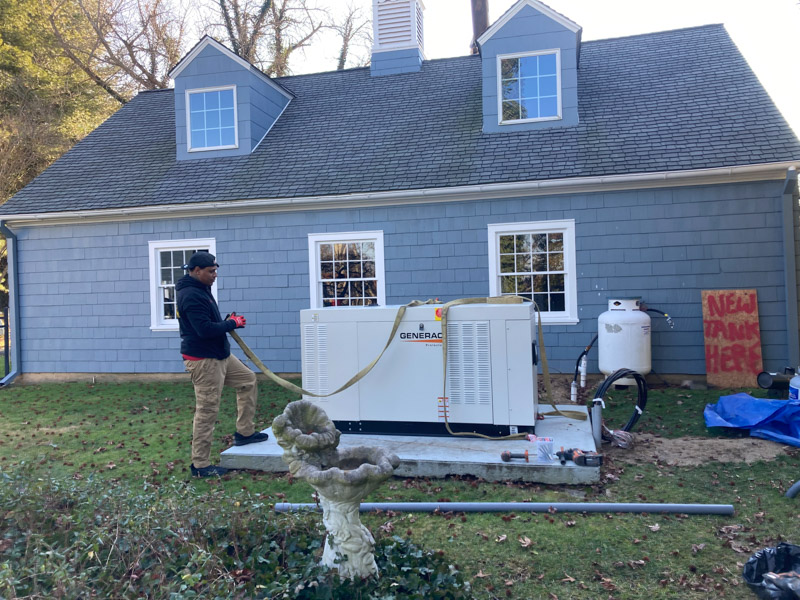
Okay, let's talk about something nobody really wants to think about until the lights flicker and die: whole house generators. I know, it sounds like a grown-up problem involving wires and permits and... ugh, money. But trust me, thinking about it before you're plunged into darkness is a much better plan. Especially when you're trying to binge-watch your favorite show and the Wi-Fi goes down! So, how much does this grown-up gadget actually cost to install?
Think of it like this: you're not just buying a generator; you're buying peace of mind. It's like an insurance policy against unexpected power outages. And just like insurance, the price can vary depending on a few factors.
Breaking Down the Costs
First, let’s look at the big picture. Generally, you're looking at a range anywhere from $3,000 to $15,000 for a professionally installed whole-house generator. That's a wide range, I know! But don't panic. Let's break it down into smaller, more manageable chunks.
Must Read
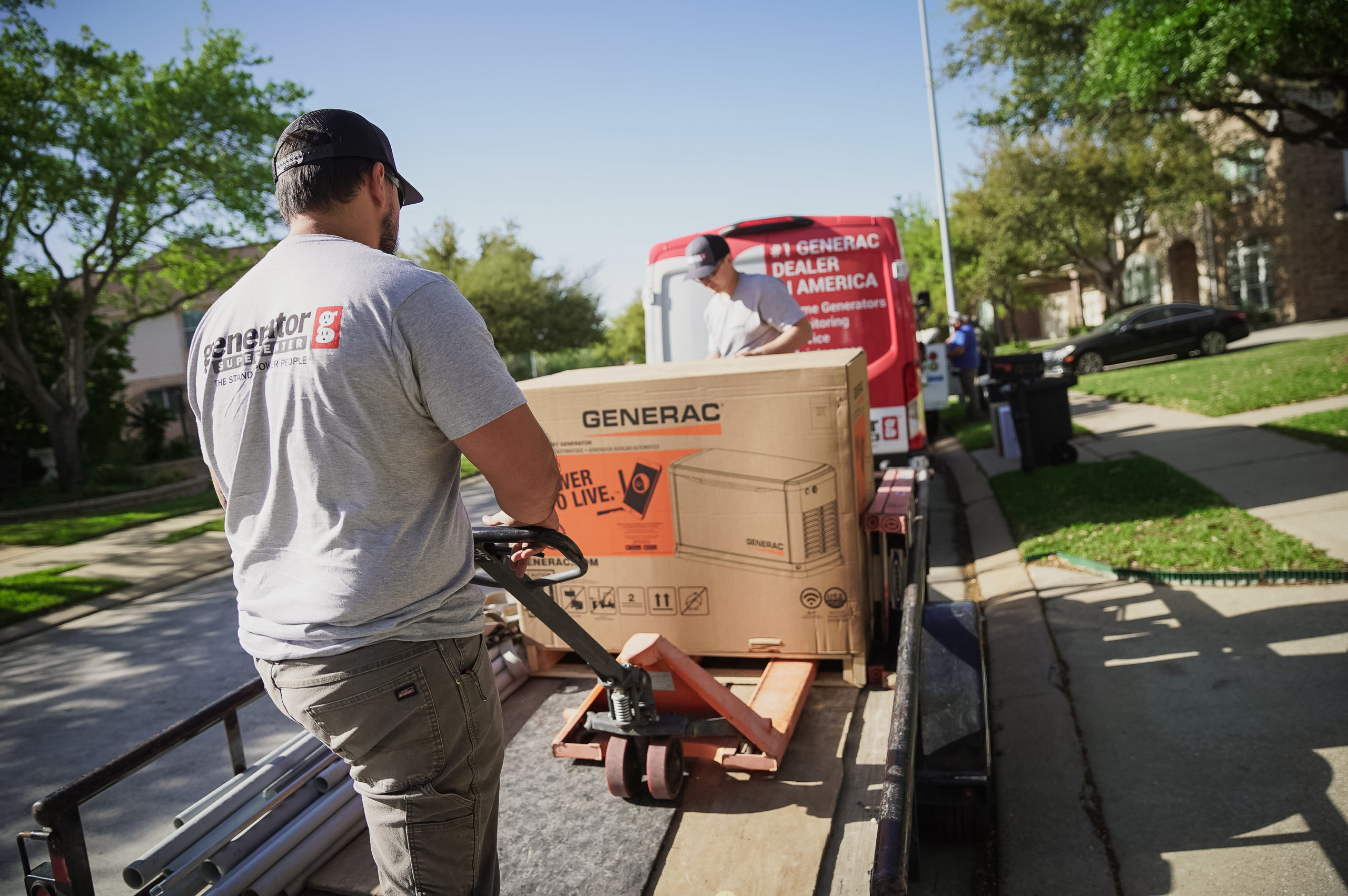
The Generator Itself: This is the biggest chunk of change. The cost of the generator itself depends on its power output (measured in kilowatts or kW). Think of kW like how many appliances you want to run simultaneously. Do you just need to keep the fridge cold and the lights on? Or do you need to power your AC, your oven, and the TV, all while charging your electric car? (Living the dream!). A smaller generator (7-10 kW) might run you around $2,000 to $4,000, while a larger one (20+ kW) can easily cost $5,000 to $10,000, or even more.
Installation Costs: Ah, the fun part! (Just kidding... kinda). Installation is where you're paying for a qualified electrician and possibly a plumber to properly connect the generator to your home's electrical system and fuel source. This can range from $1,000 to $5,000 depending on the complexity of the installation, the distance from your gas line, and local labor costs. Imagine trying to assemble that complicated IKEA furniture – but with electricity! Best left to the pros.
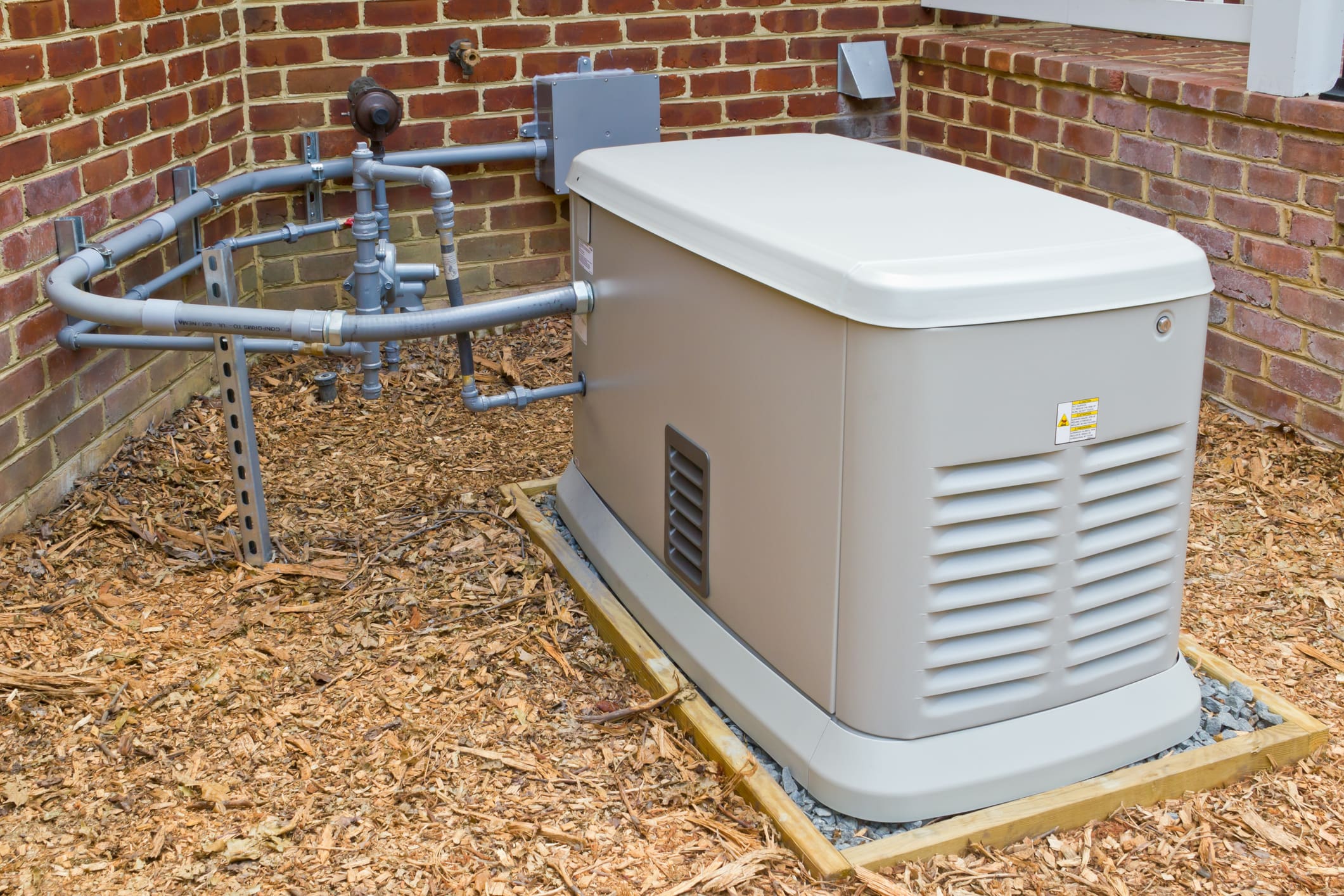
Permits and Inspections: Don't forget these! Your local municipality will likely require permits for the installation, and they'll probably want to inspect the work to make sure it's up to code. These fees can add a few hundred dollars to the overall cost. Think of it as a "safety tax" that ensures your generator won't accidentally set your house on fire. Worth it, right?
Factors That Impact the Price
So, what makes the price swing so wildly? Here are a few key factors:
Fuel Type: Generators typically run on natural gas, propane, or diesel. Natural gas is often the most convenient (if you already have it), but propane might be the better option if you live in an area with unreliable natural gas service. Diesel is usually used for larger, commercial applications. Each fuel type has its own associated costs for connection and supply.
Automatic Transfer Switch (ATS): This little device is a lifesaver! It automatically switches your home's power source from the utility grid to the generator when the power goes out, and back again when the power returns. Without an ATS, you'd have to manually start and stop the generator, which is not ideal when you're trying to watch that aforementioned binge-worthy show. An ATS adds to the cost, but it's a worthwhile investment for convenience and safety.

Location, Location, Location: Just like real estate, location matters! Labor costs vary significantly from region to region. Installing a generator in a densely populated city will likely cost more than installing one in a rural area.
Complexity of Installation: The more complicated the installation, the higher the cost. If your electrical panel needs to be upgraded, or if the gas line needs to be extended, you're looking at additional expenses.

Is It Worth It?
Okay, let's be honest, that's a lot of money. But is it worth it? Well, think about the last time you lost power. Remember that feeling of helplessness, the spoiled food in the fridge, the dark house, the kids complaining? Now imagine all that gone with the flick of a (non-existent) switch.
Beyond the convenience, a whole-house generator can protect your property. Think about sump pumps failing during a storm, causing flooding. Or pipes freezing and bursting in the winter. A generator can keep these vital systems running, preventing costly damage.
Ultimately, the decision of whether or not to invest in a whole-house generator is a personal one. But if you live in an area prone to power outages, or if you rely on electricity for critical medical equipment, it's definitely worth considering. Get a few quotes from reputable installers in your area, weigh the costs and benefits, and decide what's right for you. And hey, maybe you can finally finish that binge-watching session, uninterrupted!