
How Much Does It Cost To Fix An Oil Leak
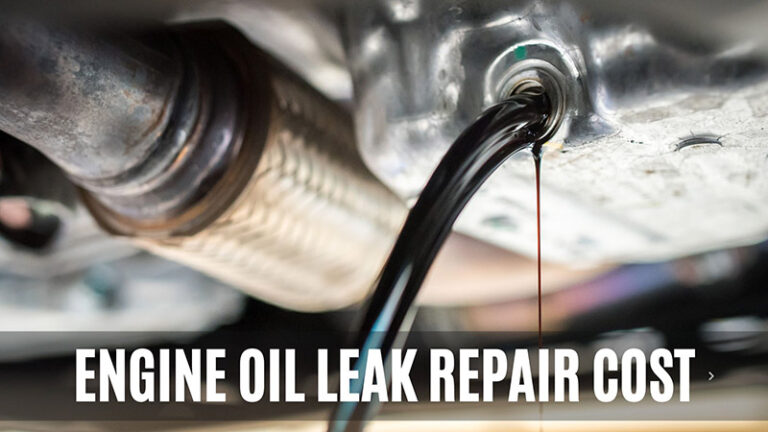
Ah, the dreaded oil leak. It's the automotive equivalent of a dripping faucet, slowly but surely draining your bank account and leaving an unsightly stain wherever you park.
But how much does it really cost to fix? Buckle up, buttercup, because the answer, like a teenager’s mood, is complicated.
The Penny-Pinching vs. The Whole Shebang
Think of oil leak repairs as a spectrum. On one end, you have the “slap some sealant on it and hope for the best” approach.
Must Read
On the other, the “let’s rebuild the whole engine while we’re at it” strategy. Where you land determines the damage to your wallet.
The Quick Fix (Maybe?)
Sometimes, an oil leak is caused by something simple like a loose drain plug or a worn-out oil filter gasket. These are the automotive equivalent of finding a twenty in your old jeans – a pleasant surprise!
Tightening a bolt or replacing a gasket can cost anywhere from $20 to $100. This might involve a quick trip to your local mechanic or even a DIY project for the mechanically inclined.
But be warned: sometimes, these seemingly simple fixes are just temporary band-aids on a much larger wound.
The Gasket Gauntlet
Gaskets are those rubber or cork seals that prevent oil from seeping out between engine parts. Over time, they can dry out, crack, and leak.

Replacing a valve cover gasket, for example, is a fairly common repair. Expect to pay between $100 and $300, depending on the car and the labor involved.
Other gaskets, like the oil pan gasket or the rear main seal, are more labor-intensive to replace because they require removing other engine components. This translates to a higher bill, often ranging from $300 to $1000 or more.
The Seal of Doom (Maybe Not That Dramatic)
Seals, like gaskets, prevent oil from escaping. But seals are usually found in more critical areas, such as around the crankshaft or camshaft.
Replacing a seal can be tricky, as it often requires specialized tools and a good understanding of engine mechanics. Labor costs can be substantial, putting the repair in the $200 to $800+ range.
The dreaded rear main seal, located between the engine and the transmission, is particularly notorious for its high replacement cost. This can often require dropping the transmission, adding significantly to the labor time.
The Big Leagues: Major Engine Repairs
In some cases, an oil leak can be a symptom of a more serious problem, such as worn piston rings or cylinder damage. If this is the case, you might be looking at a major engine repair or even a complete engine replacement.

An engine rebuild can easily cost several thousand dollars, while a replacement engine can cost even more, especially if it's a new or remanufactured unit.
At this point, you might want to seriously consider whether it's worth fixing the car or simply buying a new one. Unless, of course, you have a deep emotional attachment to your vehicle. (We've all been there.)
The Funky Factors That Affect the Price
Beyond the specific type of leak, several other factors can influence the cost of repair. These include the car's make and model, the mechanic's labor rate, and the availability of parts.
A luxury car or a rare classic car will almost always cost more to repair than a common economy car. Parts are often more expensive and harder to find, and labor rates at specialized shops can be higher.
The location of the repair shop also matters. Shops in big cities or affluent areas tend to have higher labor rates than those in smaller towns or rural areas.
The Importance of a Good Mechanic
Finding a reliable and honest mechanic is crucial. A good mechanic will properly diagnose the leak, provide a fair estimate, and perform the repair correctly.
A shady mechanic, on the other hand, might try to upsell you on unnecessary repairs or use substandard parts. Always get a second opinion if you're unsure about a mechanic's recommendations.
Don't be afraid to ask questions and do your research. A little bit of effort can save you a lot of money and headaches in the long run.
Prevention is Key (Like, Really Key)
The best way to avoid costly oil leak repairs is to prevent them in the first place. Regular maintenance, such as oil changes and inspections, can help catch potential problems early on.
Use high-quality oil and filters, and follow the manufacturer's recommended maintenance schedule. Avoid driving your car hard, especially when the engine is cold, as this can put extra stress on seals and gaskets.
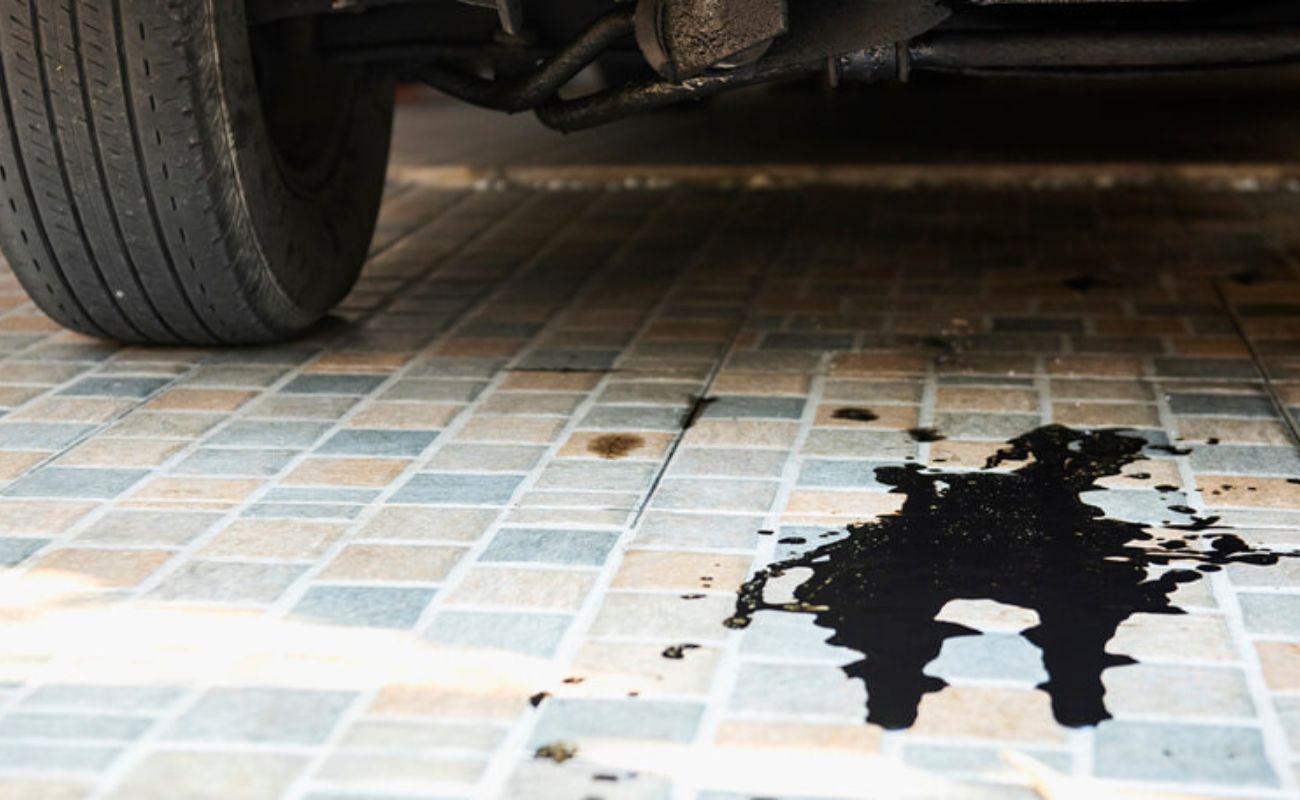
And be mindful of any warning signs, such as oil spots on your driveway or a burning smell coming from the engine. The sooner you address a potential problem, the less likely it is to turn into a major repair.
The Emotional Cost of an Oil Leak
Let's be honest, oil leaks aren't just a financial burden. They can also be a source of stress, frustration, and even embarrassment.
No one wants to be that person with the leaky car, leaving a trail of oil wherever they go. It's like having a constant reminder that your car is getting old and falling apart. And it isn't good for the environment.
But try to remember that cars are machines, and machines break down. An oil leak is just a part of the ownership experience. Embrace the chaos!
A Final Thought: The Zen of the Oil Leak
Perhaps there's a lesson to be learned from the humble oil leak. It reminds us that nothing lasts forever, that even the most reliable machines are subject to wear and tear. Everything returns to dust eventually, or, in this case, motor oil.
It teaches us the importance of being proactive, of taking care of our possessions and addressing problems before they become too big to handle.
And, perhaps most importantly, it reminds us to appreciate the journey, even when it's a little messy. Because, let's face it, life is too short to sweat the small leaks.