
How Much Does It Cost To Charge An Eletric Car

Alright, pull up a chair, grab a virtual coffee (or a real one, if you're fancy), and let's talk about the burning question on everyone's mind: How much does it actually cost to juice up an electric car? Because let's be honest, gas prices are enough to make you weep into your wallet, and nobody wants to jump from one financial fire into another.
Now, I know what you’re thinking: "Electricity is free, right? Like sunshine and good intentions?" Well, not exactly. You see, the electric company, those lovable folks who send you a bill every month, they're not exactly running a charity. So, plugging in your electric chariot does come with a price tag. But fear not, my friend, it's usually much cheaper than filling up with dinosaur juice.
The Home Charging Hustle: Your Electric Oasis
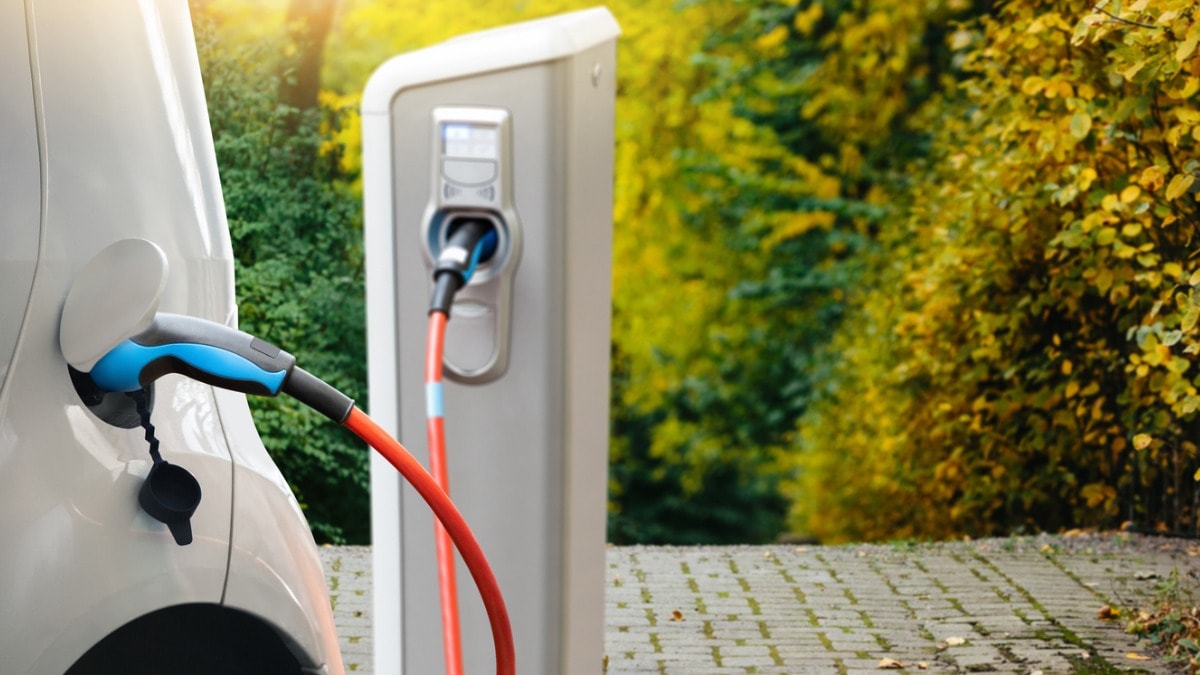
Most EV owners charge their cars at home. It's convenient, like having your own personal gas station, but without the questionable hot dogs and lottery ticket temptation. The cost here depends on a few key factors, the most important being: your electricity rate. This is usually measured in kilowatt-hours (kWh), and you can find it on your electricity bill. It's usually listed as something like $0.15 per kWh. Now, this number can vary WILDLY depending on where you live. For example, if you live in a place with abundant, renewable energy sources like hydropower, it'll probably be cheaper than in a place powered by, say, trained squirrels running in tiny hamster wheels (although that would be environmentally friendly in its own, nutty way).
Must Read
Next, you gotta consider your car's battery size. Think of it like the fuel tank of a gas car. A bigger battery (measured in kWh) means a longer range, but it also means it takes more electricity to fill 'er up. A Nissan Leaf might have a battery around 40 kWh, while a Tesla Model S could be closer to 100 kWh.
So, here's the super-simplified math (don't worry, it's not calculus): Battery size (kWh) x Electricity rate ($/kWh) = Cost to fully charge. Let's say you have that Nissan Leaf with the 40 kWh battery and your electricity costs $0.15 per kWh. 40 x 0.15 = $6. Bam! Six bucks to go from empty to full. Compare that to filling up a gas guzzler – you're practically printing money!
Public Charging: The Road Trip Rescue
Sometimes, you need a quick boost on the road. That's where public charging stations come in. These range from slower Level 2 chargers (think trickle charge, good for topping off while you're shopping) to super-fast DC fast chargers (think "holy moly, my car is charging like lightning!").
Now, here's where things get a little more complicated. Public charging stations often charge by the kWh, or by the minute. It's like trying to understand airline baggage fees – you need a PhD in fine print. DC fast chargers are generally more expensive, but they can add hundreds of miles of range in a relatively short amount of time. Expect to pay anywhere from $0.30 to $0.60 per kWh (or even more in some locations). Some even have tiered pricing based on how fast the charger is, it's a real gamble!
Pro-tip: Many charging networks offer membership programs with discounted rates. Think of it like a Costco membership, but for electrons. If you're a frequent road tripper, it might be worth it to join a network like Electrify America or EVgo.
Hidden Costs (and Hilarious Exaggerations)
Okay, so we've covered the basics. But are there any hidden costs? Well, not exactly hidden, but things to keep in mind.
Home charger installation: If you want a Level 2 charger at home (which you probably will), you'll need to factor in the cost of installation. This can range from a couple of hundred dollars to over a thousand, depending on your home's electrical setup. Think of it as a home improvement project, but instead of a new bathroom, you get a faster-charging car.
"Range Anxiety" Therapy: Okay, this one's a joke (mostly). But let's be real, the fear of running out of juice is a real thing for new EV drivers. This "range anxiety" can only be cured by putting miles under your belt and learning your car's real-world range. Maybe invest in a good calming tea, just in case.
The cost of bragging rights: Let's be honest, driving an electric car is cool. It's good for the environment, saves you money, and makes you feel like you're living in the future. But be prepared for the inevitable conversations with your gas-guzzling friends who will undoubtedly try to poke holes in your electric utopia. Just smile, wave, and silently calculate how much money you're saving on gas while they're stuck at the pump.
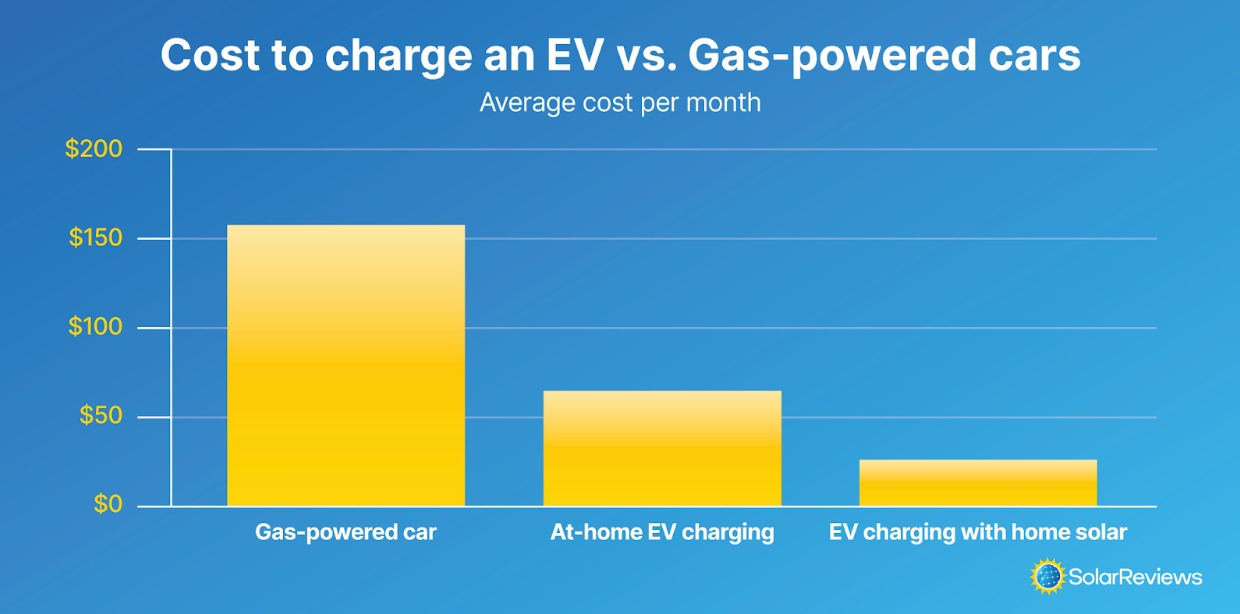
Bottom line: Charging an electric car is almost always cheaper than filling up a gas car. Plus, you get to feel smug about saving the planet. Now go forth, electric warrior, and conquer the roads!
