
How Much Does It Cost To Charge A Car Battery
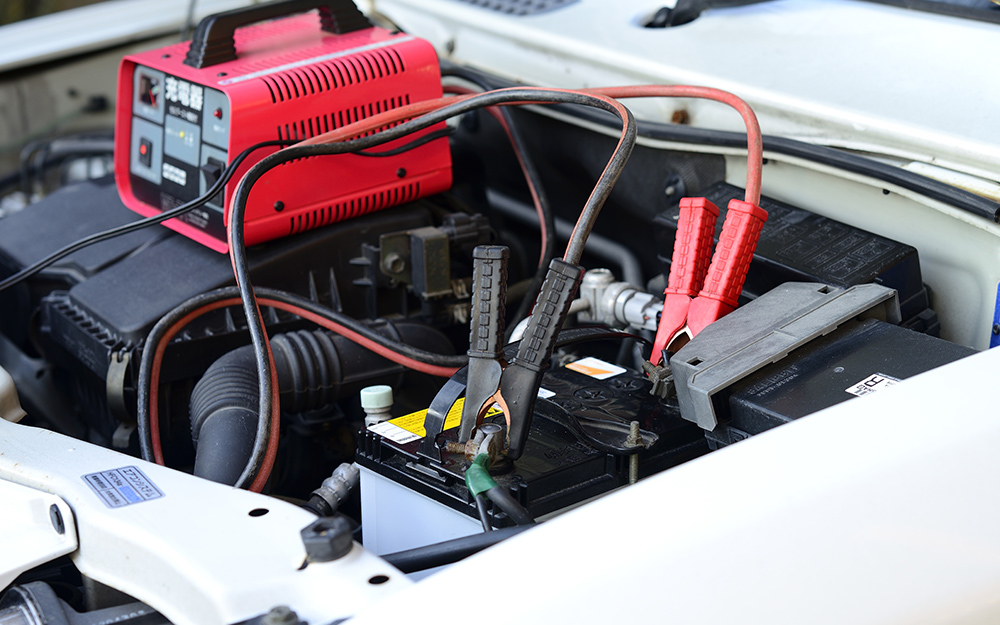
Let's face it: nobody really wants to think about car batteries until they're stranded in a parking lot with a vehicle that refuses to start. But understanding the costs associated with keeping your car battery juiced up is actually pretty fascinating, and can save you some serious money (and headaches!) in the long run. After all, we're all trying to be a little smarter about our spending these days, and knowing where your money goes under the hood is a great place to start. This isn't just about jump-starts and roadside assistance; it's about understanding the heartbeat of your car.
So, what's the point of knowing how much it costs to charge a car battery? It boils down to two key things: proactive maintenance and informed decision-making. A healthy battery ensures your car starts reliably, especially during extreme weather. Imagine the peace of mind knowing you're less likely to be late for that crucial meeting because your car decided to take a day off. More importantly, understanding the cost implications empowers you to choose the most efficient charging methods, whether it's a slow charge at home or a quick boost from a professional.
Now, let's get down to the nitty-gritty. How much does this electrifying experience actually cost? The good news is, it's usually quite minimal. The price of charging a car battery mostly depends on how you choose to do it.
Must Read
The DIY Approach: Charging at Home
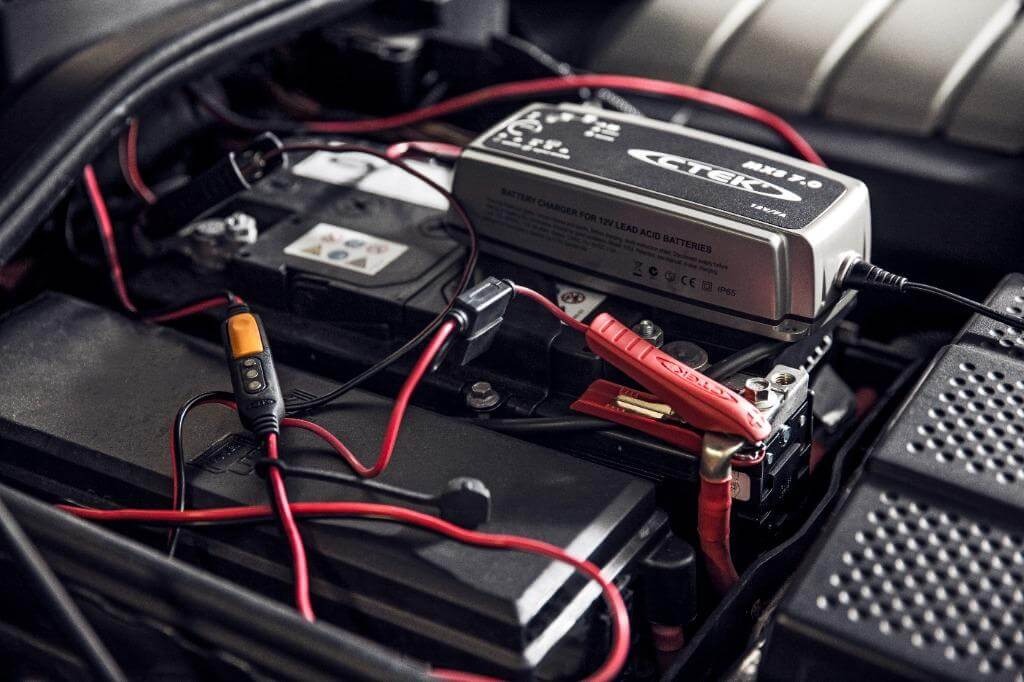
If you're using a standard trickle charger or a smart battery charger at home, the cost is tied to your electricity bill. Let's say your electricity rate is $0.15 per kilowatt-hour (kWh). A typical car battery charger might draw around 50-150 watts (0.05-0.15 kW) while charging. If you charge your battery for 12 hours (overnight, for example), the calculation looks like this:
(0.1 kW) * (12 hours) * ($0.15/kWh) = $0.18
That's right, a mere 18 cents! Even with a slightly higher wattage charger or a longer charging time, you're generally looking at less than a dollar to fully charge a car battery at home. Of course, the initial investment in the charger itself needs to be considered, but a decent charger can last for years, making it a cost-effective solution in the long run.
Professional Charging: Calling for Backup
Sometimes, your battery is beyond a simple charge and requires professional attention. Perhaps it's severely damaged or requires specialized equipment. In this case, you'll likely need to call a mechanic or roadside assistance service. This is where the cost can vary significantly. A simple jump-start might cost between $50 and $100, depending on the provider and your location. Replacing the battery entirely, including labor, could range from $150 to $300 or even more for premium batteries.
![How much does it cost to charge an electric car? [Infographic]](https://electriccarhome.co.uk/wp-content/uploads/2019/05/typical-ev-charging-costs.png)
The Takeaway
Charging your car battery at home is remarkably inexpensive. Regular maintenance, such as checking the battery terminals for corrosion and using a trickle charger during periods of inactivity, can significantly extend your battery's lifespan and prevent costly replacements. Understanding the cost of charging empowers you to make informed decisions, choose the right charging method, and keep your car running smoothly without breaking the bank. So, next time your car battery's a bit sluggish, you'll be armed with the knowledge to handle it like a pro (and save a few bucks in the process!).
