
How Much Does It Cost Charge An Electric Car

So, you're thinking about joining the electric revolution, huh? Awesome! But before you trade in that gas-guzzler for a sleek, silent electric vehicle (EV), you're probably wondering: "How much is this electrifying adventure actually going to cost me?".
Let's dive into the wonderfully simple (and often surprisingly cheap!) world of EV charging costs.
The Two Main Flavors of Charging: Home vs. Away
Think of charging your EV like feeding a hungry pet. You've got two main options: feeding them at home or taking them out for a fancy meal.
Must Read
Home charging is your everyday, "I'm wearing pajamas" option. Think of it as your regular pet food. Public charging is for when you're on the go or need a quick boost. Consider it the gourmet dog biscuits of the EV world.
Home Charging: Your Electric Oasis
Home charging is generally the most convenient and cost-effective way to keep your EV juiced up. It's like having your own personal gas station, except instead of the smell of gasoline, you get...well, nothing (EVs are very quiet!).
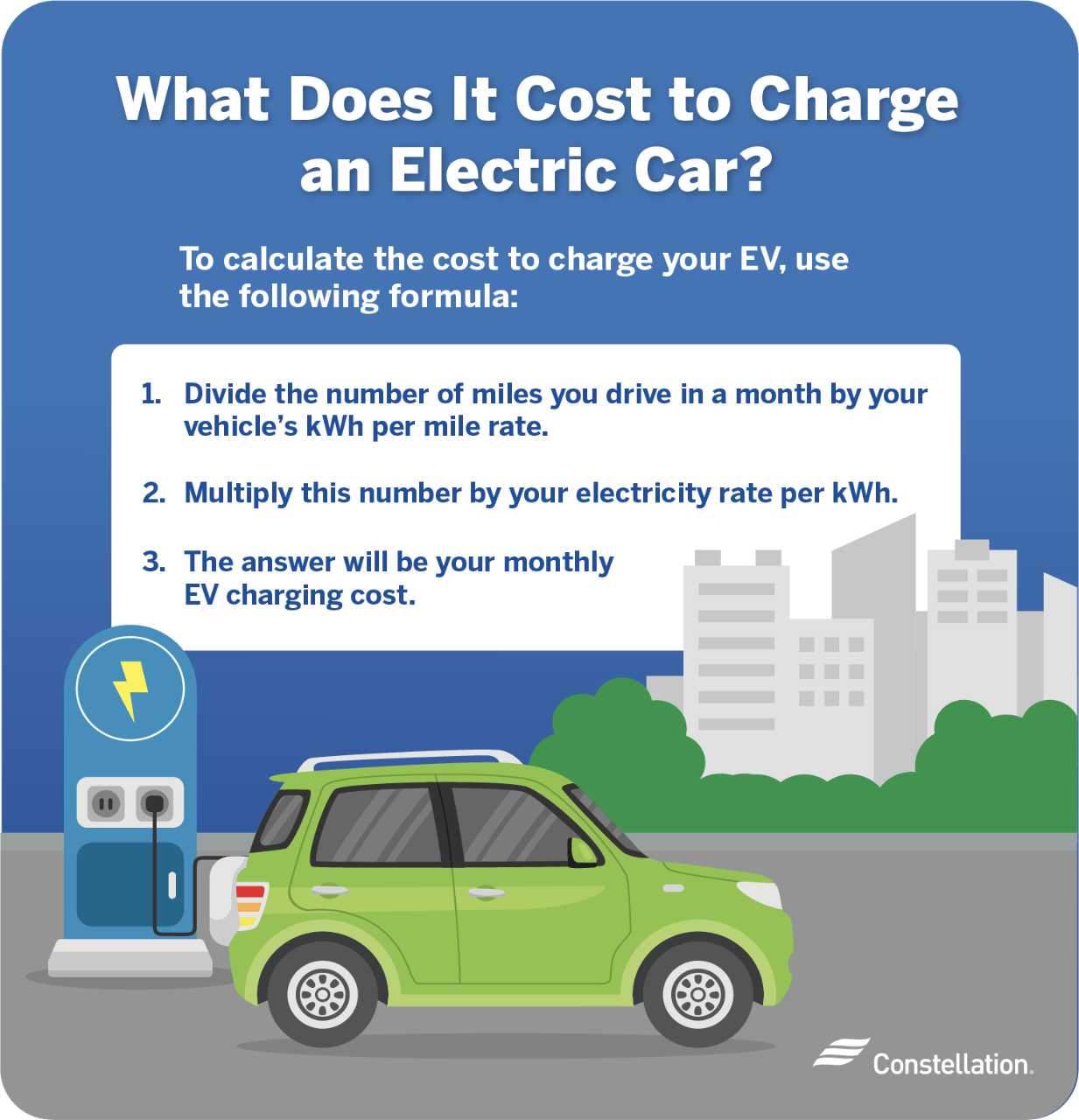
The cost of home charging depends on two things: your electricity rate and how much your EV needs to drink (or charge, in this case). Let's break it down.
First, find your electricity rate. This is usually measured in cents per kilowatt-hour (kWh) and can be found on your electricity bill. Don't worry, it's not as scary as it sounds. Think of it like the price per gallon of gasoline, but for electricity.
Let's pretend your electricity rate is a super reasonable 15 cents per kWh. Now, let's say your EV needs 60 kWh to go from completely empty to completely full (the battery capacity). This is like saying your car has a 15-gallon gas tank.
To calculate the cost, simply multiply the electricity rate by the battery capacity: 15 cents/kWh * 60 kWh = 900 cents, or $9. Ta-da! Filling up your EV at home costs you just $9.
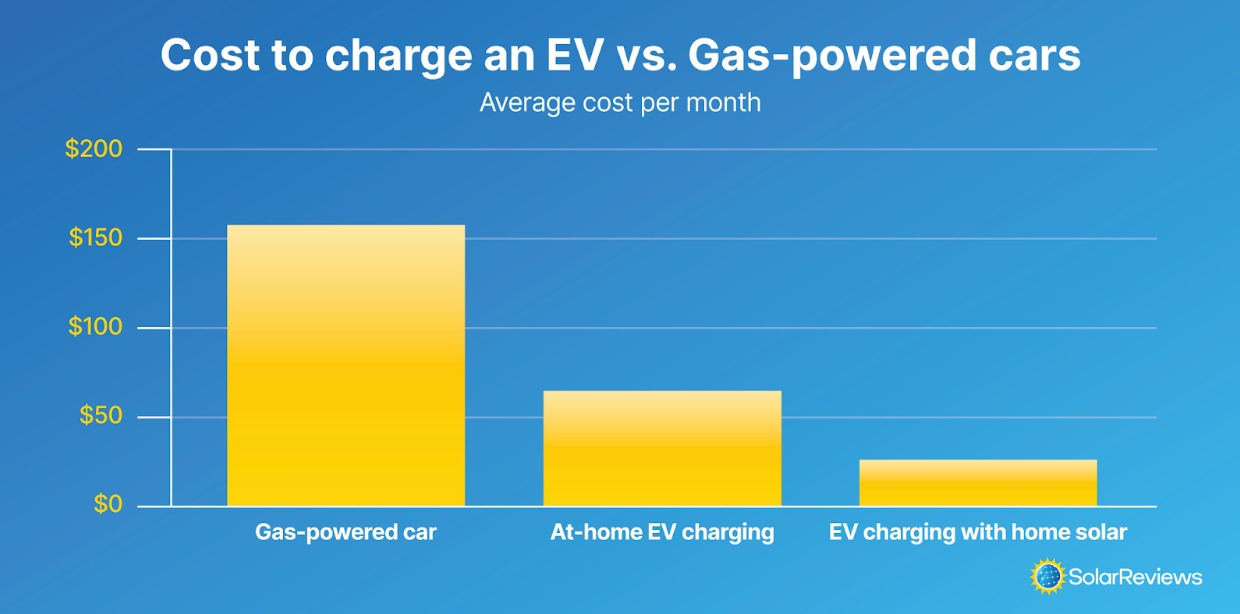
Compare that to filling up a gas car with a 15-gallon tank at $4 per gallon – you're looking at $60! That's a huge difference! You could buy a whole pizza with the savings.
Level 1 Charging: This is the slowest and simplest way to charge your EV at home. You literally just plug it into a standard wall outlet. Think of it as a gentle trickle of energy. It's great for topping off your battery overnight, but it might take a while to fully charge a completely empty EV.
Level 2 Charging: This is the more common and faster home charging option. It requires installing a 240-volt charging station (think dryer outlet). It’s like having a mini supercharger in your garage. It's faster than Level 1 and can fully charge your EV overnight.
Public Charging: Juicing Up on the Go
Public charging is where things get a little more varied in terms of cost. It's like going to different gas stations – some are cheaper, some are more expensive, and some offer fancy car washes.
Public charging stations are typically found at shopping centers, parking garages, workplaces, and along highways. They offer different charging speeds, and the price can vary depending on the charging speed, the charging network, and whether you have a membership.
Level 2 Public Charging: Similar to Level 2 home charging, but you're paying for the convenience and location. These are often priced per kWh, but sometimes they have hourly rates.
DC Fast Charging: This is the equivalent of a super-fast gas pump. These stations can add significant range to your EV in a short amount of time. Great for road trips when you need to power up quickly.
The cost of DC Fast Charging is generally higher than Level 2 charging. Some networks charge per kWh, while others charge by the minute. Prices can fluctuate based on demand and location.

Imagine you're on a road trip and need to add 200 miles of range to your EV. A DC Fast Charger might cost you around $20-$40 to achieve that, depending on the station and charging speed. Still cheaper than filling up a gas car!
Factors That Influence Charging Costs
Okay, so we've covered the basics, but let's dig a little deeper into the factors that can influence how much it costs to charge your EV.
Electricity Rates: This is the biggest variable. Electricity rates vary widely depending on where you live and your electricity provider. Some providers even offer special EV charging plans with lower rates during off-peak hours. Check with your local provider to see if they offer such a plan.
Charging Speed: Faster charging is generally more expensive. DC Fast Chargers cost more per kWh than Level 2 chargers.
Battery Size and Efficiency: Larger batteries take longer to charge and require more electricity. Less efficient EVs consume more electricity per mile.
Driving Habits: Aggressive driving and frequent acceleration will drain your battery faster, requiring more frequent charging.
Climate: Extreme temperatures can affect battery performance and charging efficiency. Cold weather can reduce range, while hot weather can impact charging speed.
Charging Network Membership: Some public charging networks offer membership programs with discounted rates. If you frequently use public charging, a membership might be worth considering.
Tips for Saving Money on EV Charging
Want to save even more money on your electric adventures? Here are a few tips:
Charge at Home: Home charging is generally the cheapest option, especially if you can take advantage of off-peak electricity rates.
Use Public Charging Sparingly: Public charging can be convenient, but it's often more expensive than home charging. Use it only when necessary.
Take Advantage of Free Charging: Some businesses, such as grocery stores and shopping centers, offer free EV charging as a perk for customers. Keep an eye out for these opportunities!
Drive Efficiently: Avoid aggressive driving and maintain a steady speed to maximize your EV's range.
Precondition Your Battery: Before a long trip in cold weather, precondition your battery to optimize its performance. Most EVs have a preconditioning feature that warms up the battery before you start driving.
Consider a Smart Charger: A smart charger allows you to schedule your charging sessions during off-peak hours and monitor your energy consumption.
The Big Picture: EV Charging vs. Gas
Even with varying electricity rates and charging speeds, EVs almost always come out ahead in terms of fuel costs.
Imagine you drive 15,000 miles per year. A gas car that gets 25 miles per gallon will require 600 gallons of gas. At $4 per gallon, that's $2,400 per year on gasoline.
An EV that consumes 3 miles per kWh will require 5,000 kWh to drive the same distance. At 15 cents per kWh, that's only $750 per year on electricity. That's a savings of $1,650 per year!
Plus, EVs require less maintenance than gas cars. No oil changes, no spark plugs, no exhaust systems to worry about. Just a silent, smooth, and cost-effective ride.
The Verdict: Charging an EV is Cheaper Than You Think
So, how much does it cost to charge an electric car? The answer is: usually less than you expect! With home charging, smart charging habits, and a little planning, you can save a significant amount of money compared to fueling a gas car.
Embrace the electric revolution and enjoy the silent, smooth, and affordable ride. You won't regret it!