
How Much Does Hydroelectric Power Cost To Build

Ever looked at a mighty dam and wondered, "Wow, how much did that cost?!" You're not alone! Hydroelectric power, harnessing the energy of moving water, seems like a super sustainable solution, but let's dive into the financial side of things.
The Big Question: How Much?
So, how much does a hydroelectric plant cost to build? Well, buckle up, because the answer is... it depends!
Imagine asking, "How much does a house cost?" A tiny cabin in the woods? A sprawling mansion with a gold-plated toilet? See, size matters!
Must Read
Factors That Splash Into the Price
Several things can drastically change the final price tag on a hydroelectric project.
Size Matters: A small, run-of-the-river project (we'll explain those later!) will cost way less than a giant dam holding back a whole lake.
Location, Location, Location: Building in a remote, mountainous region with tricky access? Expect costs to climb faster than a mountain goat!
Environmental Considerations: Protecting fish, managing sediment flow, and preserving the surrounding ecosystem? All super important, but they add to the expense.
Technology: Modern turbines and advanced construction techniques can boost efficiency but also increase upfront costs.
Think of it like buying a car. A basic model gets you from A to B. But heated seats, a fancy sound system, and autopilot? That's extra!
Ballpark Figures (Hold Onto Your Hats!)
Alright, enough suspense! Let's talk numbers. But remember, these are just averages – treat them like friendly estimates, not gospel!
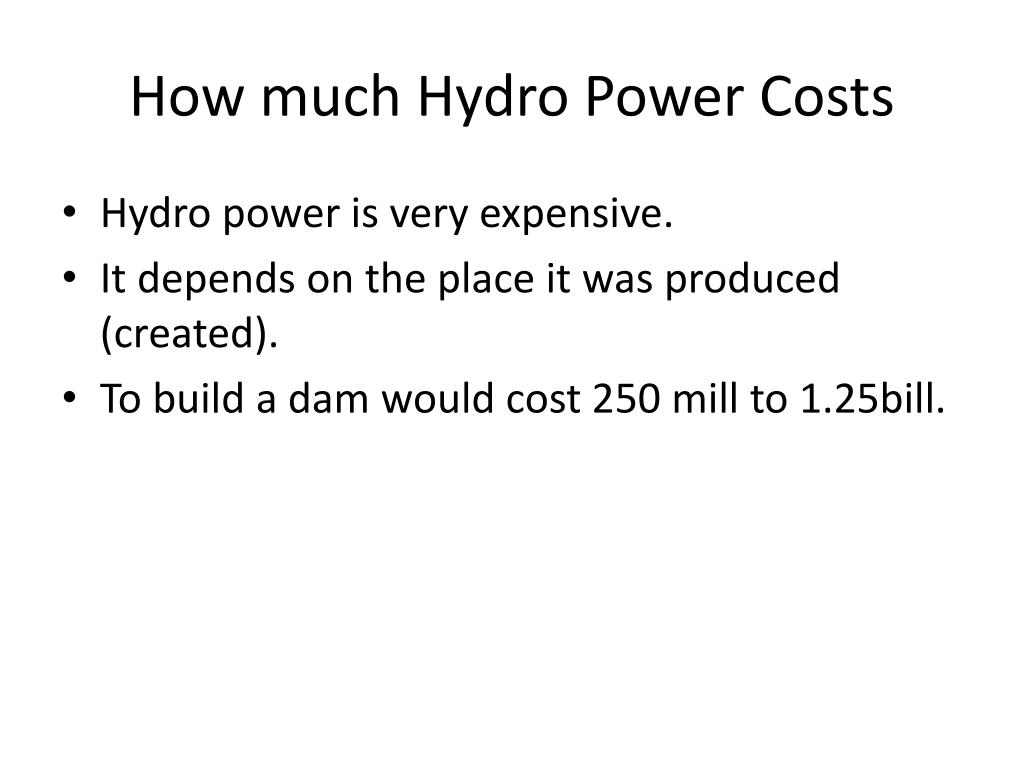
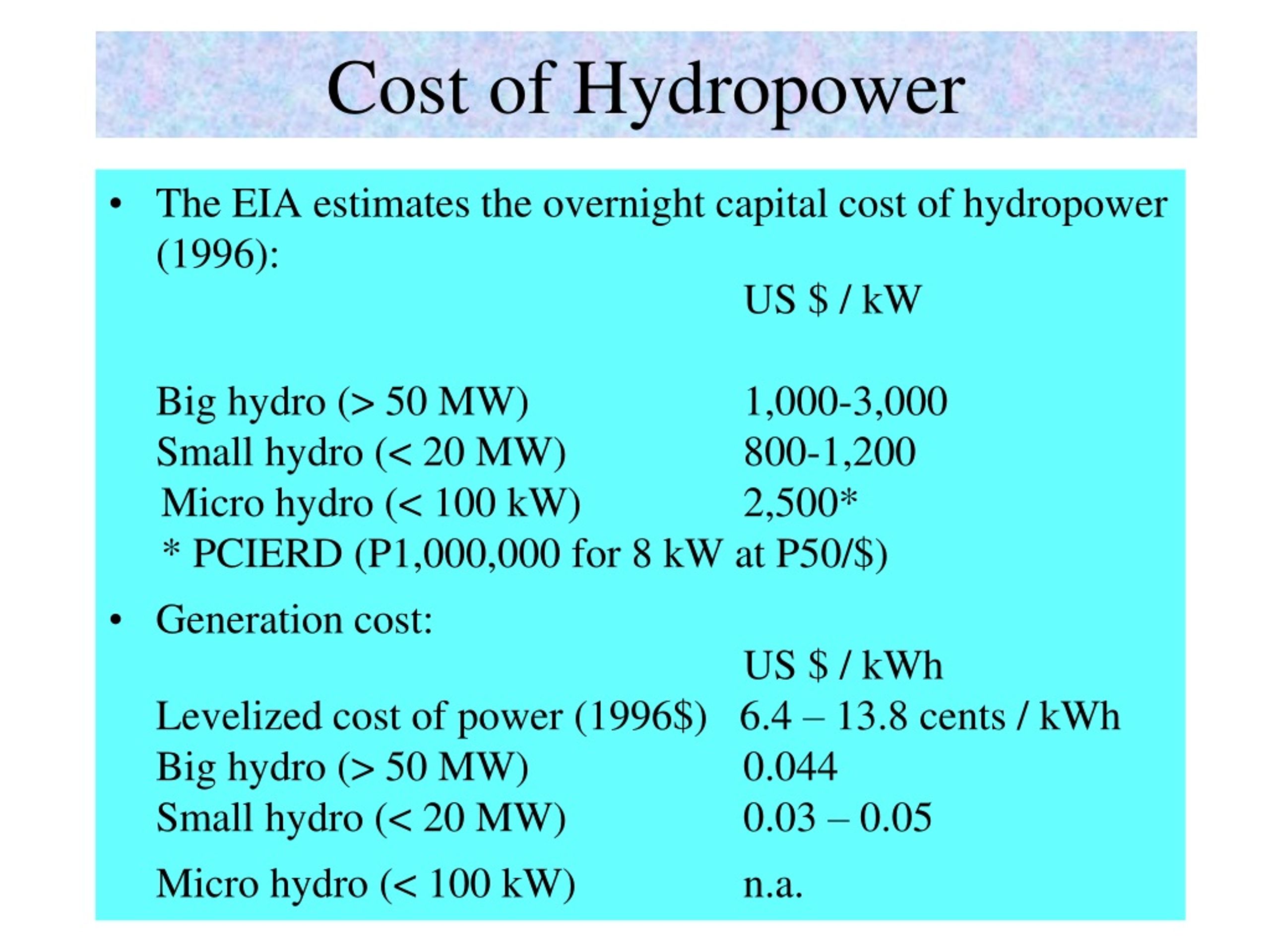
Generally, you're looking at anywhere from $1 million to $10 million (or even more!) per megawatt of installed capacity.
What's a megawatt? Think of it as enough power to light up hundreds of homes. So, a 100-megawatt plant could cost anywhere from $100 million to a cool $1 billion!
Consider the Three Gorges Dam in China. This behemoth is one of the largest power stations in the world. Estimates place its total cost in the tens of billions of dollars. Phew!
Breaking It Down: Where Does the Money Go?
So, where does all that moolah go? It's not just about pouring concrete, though that's a big chunk.
Planning and Permitting: Before you even break ground, there's extensive planning, environmental impact assessments, and navigating a maze of permits. Think of it as the paperwork monster – expensive, but necessary.
Construction: This is where the big bucks go! Concrete, steel, turbines, generators, and armies of skilled workers. It's like building a small city from scratch.
Land Acquisition: If you need to flood an area to create a reservoir, you'll need to buy the land. Real estate prices, even in remote areas, can be surprisingly high.
Transmission Lines: Getting the electricity from the plant to where people need it requires building transmission lines. More poles and wires, more costs!
It's like building a super fancy amusement park. You need the rides, the land, the permits, and the power lines to get the cotton candy flowing!
Different Types, Different Prices
Not all hydroelectric plants are created equal. Their design influences costs.
Large Dams with Reservoirs: These are the classic, iconic dams. They can store vast amounts of water, providing a reliable source of power, even when it's not raining. But they're also the most expensive, due to the massive infrastructure required.
Run-of-the-River Projects: These plants divert a portion of the river's flow through turbines, without creating a large reservoir. They're generally smaller and less expensive, but their output depends on the river's natural flow.
Pumped Storage Hydro: These are like giant batteries! They pump water uphill to a reservoir during off-peak hours (when electricity is cheap) and release it back down to generate power during peak demand. The ultimate energy storage solution... with a price tag to match!
It's like choosing between a cruise ship (large dam), a kayak (run-of-the-river), and a super-powered jet ski (pumped storage). Each has its own strengths and costs!
The Long-Term View: Is It Worth It?
Okay, so building a hydroelectric plant can be pricey. But consider the long game!
Hydroelectric power is a renewable resource. Once the plant is built, the fuel (water!) is free. That's a huge advantage over fossil fuels, which require constant purchases.
Hydro plants can operate for 50 years or more. Over that time, the initial investment can pay off handsomely, providing a stable and affordable source of power.
Plus, hydroelectric power is clean. It doesn't produce greenhouse gases or air pollution. That's good for the environment and our health!
Think of it like buying a really expensive, but incredibly fuel-efficient, car. You pay more upfront, but you save a ton of money on gas in the long run.

The Future of Hydro: Innovation and Cost Reduction
The good news is that the hydroelectric industry is constantly evolving. Researchers and engineers are working on new technologies and construction methods to bring down costs.
Advanced materials, more efficient turbines, and streamlined permitting processes are all helping to make hydroelectric power more affordable.
There's also growing interest in small hydro projects. These smaller plants can be built on existing infrastructure, like irrigation canals or water treatment plants, minimizing environmental impact and costs.
The future of hydro is bright, and with continued innovation, it can play an even bigger role in our clean energy future. It's like upgrading your old bicycle with a super-powered electric motor – same reliable transportation, but with a boost!
In Conclusion: A Powerful Investment
Building a hydroelectric plant is a significant investment, no doubt. It's a bit like building a majestic castle – it requires planning, resources, and a whole lot of effort.
But the long-term benefits of clean, renewable energy, make it a worthwhile endeavor. When you look at the big picture and its sustainable footprint and the future, hydroelectric power is more than just a pretty dam.
It's a source of clean, sustainable energy that can power our world for generations to come!