How Much Does Gas Cost Per Month In An Apartment
So, you've scored that sweet apartment downtown – exposed brick, rooftop access, the whole nine yards. Congratulations! But amidst the excitement of furniture shopping and curating the perfect Instagrammable shelfie, there's that practical little voice whispering: "Okay, but what about bills?" One of those often-overlooked bills, especially if you're coming from a place with electric everything, is gas.
Let's break down the big question: how much does gas actually cost per month in an apartment? The answer, as you might suspect, is frustratingly… it depends. But don't worry, we're not going to leave you hanging with a vague "it depends." We're diving deep into the factors that influence your gas bill, offering some ballpark figures, and giving you some actionable tips to keep those costs under control.
The Culprits Behind Your Gas Bill
Gas in apartments typically covers three main things: heating, hot water, and cooking. Think of it like a three-legged stool. If one leg is significantly larger than the others, your bill will be higher. Let's examine each one:
Must Read
- Heating: This is often the biggest culprit, especially during those chilly winter months. Are you the type to crank up the thermostat to a balmy 75 degrees, even when wearing a sweater? Or do you prefer layering up and keeping the thermostat a bit lower? Your thermostat habits will directly impact your gas usage.
- Hot Water: Think about how much hot water you use. Long, steamy showers are amazing, but they can significantly increase your gas bill. Doing laundry in hot water also adds up.
- Cooking: Do you channel your inner Julia Child every night, creating elaborate meals with gas-powered stoves? Or are you more of a microwave-and-takeout kind of person? The frequency and intensity of your cooking habits will influence your gas consumption.
Beyond your personal habits, consider these external factors:

- Apartment Size: Larger apartments naturally require more gas to heat.
- Insulation: A poorly insulated apartment will lose heat faster, forcing your heating system to work harder and burn more gas.
- Climate: Obviously, colder climates will result in higher heating bills than warmer ones.
- Appliance Efficiency: Older, less efficient appliances consume more gas than newer, energy-efficient models.
Okay, So What's the Damage? (Ballpark Figures)
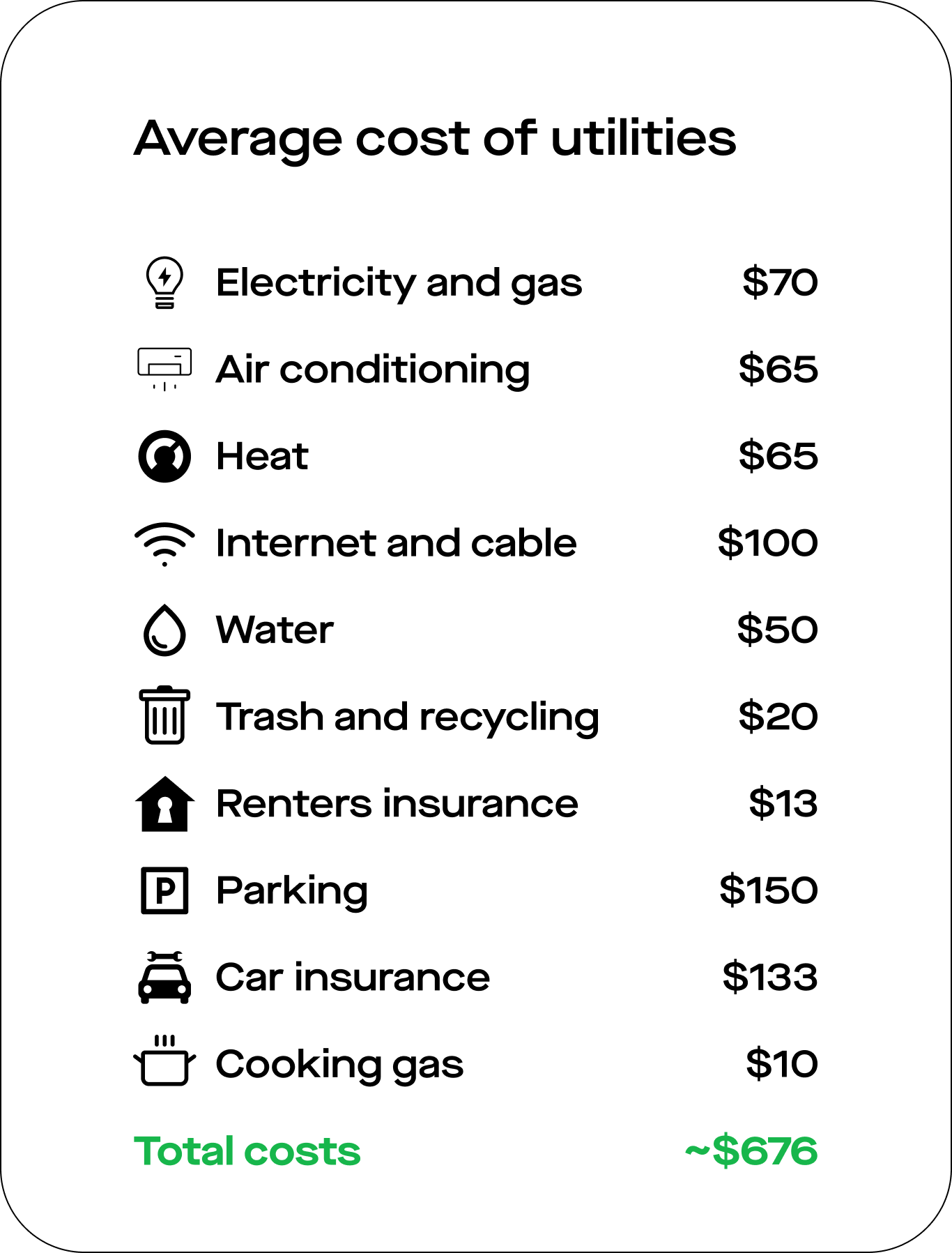
Alright, let's get to the numbers. While it's impossible to give you an exact figure without knowing your specific situation, here are some general ranges:
- Small Apartment (Studio/1 Bedroom): Expect to pay anywhere from $30 to $100 per month on average. This could be lower in warmer months or higher in colder months.
- Medium Apartment (2 Bedrooms): A reasonable range is $50 to $150 per month.
- Large Apartment (3+ Bedrooms): Bills can easily climb to $80 to $250+ per month, especially during the winter.
Keep in mind these are just estimates. Your actual bill could be higher or lower depending on the factors we discussed earlier.

Tips and Tricks to Tame Your Gas Bill
Ready to wrestle that gas bill into submission? Here's your arsenal:
- Lower the Thermostat: Even a few degrees can make a noticeable difference. Try setting it to 68 degrees during the day and even lower at night or when you're away. Channel your inner Scandinavian and embrace the cozy vibe!
- Shorten Showers: We know, it's tempting to linger under that hot water. But cutting your shower time by even a few minutes can save gas and water. Time to embrace the power shower!
- Fix Leaks: A leaky faucet can waste a surprising amount of hot water (and drive you crazy with that constant drip!). Get it fixed ASAP.
- Insulate Windows and Doors: Drafts are your enemy. Seal any gaps with weather stripping or caulk. Think of it as giving your apartment a cozy winter coat.
- Consider a Programmable Thermostat: These allow you to automatically adjust the temperature throughout the day, so you're not wasting gas heating an empty apartment.
- Cook Efficiently: Use the right-sized burner for your pot. Cover pots while cooking to retain heat. And consider using smaller appliances like slow cookers or air fryers, which often use less energy.
- Check Your Appliances: Make sure your gas appliances are properly maintained. A clogged burner on your stove, for example, can waste gas.
A Final Thought
Understanding your gas bill isn't just about saving money; it's about becoming a more conscious consumer. By being mindful of your energy consumption, you're not only saving a few bucks but also contributing to a more sustainable lifestyle. So, the next time you're tempted to crank up the thermostat, take a moment to consider the bigger picture. A little awareness can go a long way, both for your wallet and for the planet. And hey, who knows, maybe you'll even discover a newfound appreciation for the art of layering!