How Much Does Fossil Fuels Cost
Ever wondered why the price of gas seems to have a mind of its own, or why your electricity bill can feel like a surprise party you didn't RSVP to? You're not alone! While we all use energy daily, from charging our phones to driving to work, the true cost of where that energy comes from – primarily fossil fuels like oil, coal, and natural gas – often feels like a mystery. But peeling back the layers on this topic isn't just for economists; it's genuinely useful, even fun, to understand because it directly impacts your wallet, your community, and the world around us!
Understanding the "price tag" of fossil fuels helps us make more informed decisions. It’s like knowing all the ingredients in a dish, not just the delicious bits. When we grasp the full scope of these costs, we're better equipped to understand global events, energy policy, and even our own household budgets. It helps us see the bigger picture beyond just the number on the gas pump, giving us a clearer view of the benefits and drawbacks of our current energy sources. Think of it as gaining some serious energy literacy – a superpower for the modern world!
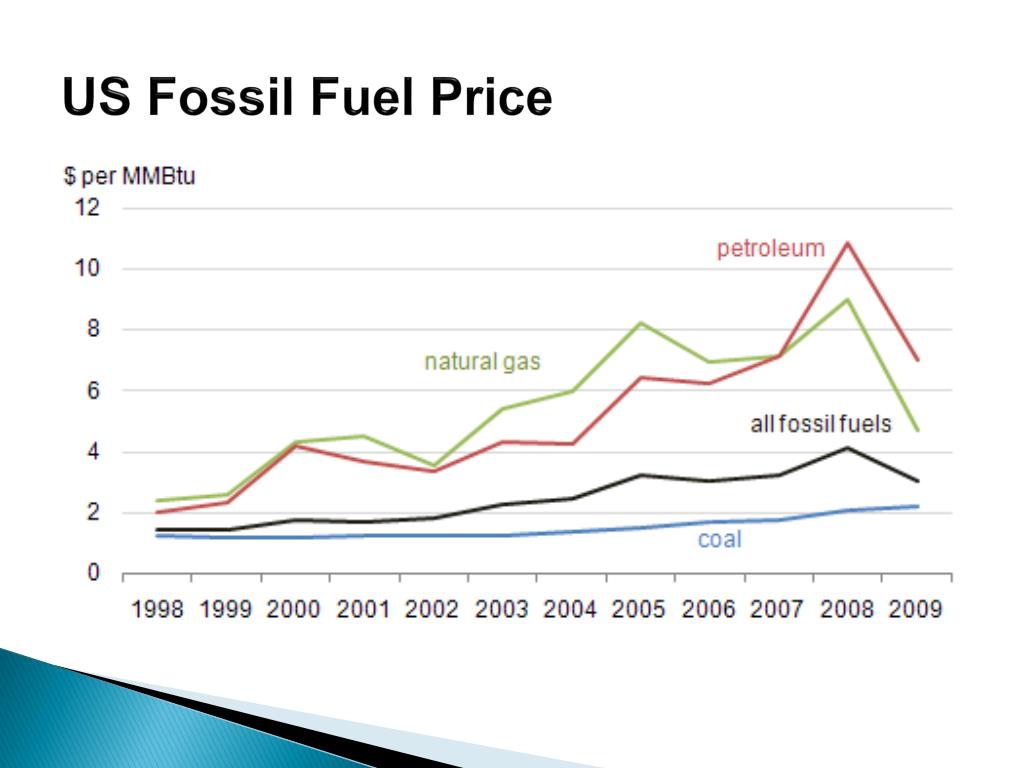
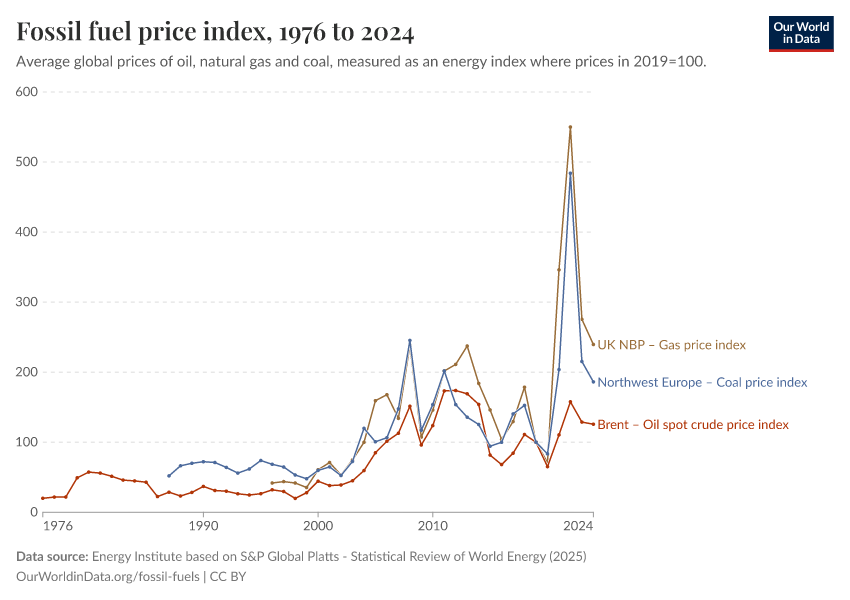
So, what exactly are we paying for when we use fossil fuels? First, there are the direct costs. This is what you see at the pump, on your utility bill, or when industries purchase raw materials. These prices are influenced by classic supply and demand, geopolitical stability (or instability!), production costs, and even the weather. A hurricane in the Gulf of Mexico, for example, can disrupt oil production, causing prices to spike. It's the tangible, transactional price we pay for extraction, processing, and delivery.
Must Read
But here's where it gets really interesting – and sometimes a little heavier: the hidden costs. These are the expenses we don't typically see itemized on a receipt, but they are very real. One major category is environmental costs. Burning fossil fuels releases greenhouse gases, contributing to climate change. The cost of dealing with more frequent and intense natural disasters – floods, wildfires, droughts – falls on governments and, ultimately, taxpayers. Then there are the healthcare costs associated with air pollution, which can lead to respiratory illnesses and other health issues. These aren't small change; they represent billions, if not trillions, globally.

Beyond the environment, there are geopolitical costs. The world's reliance on specific regions for oil and gas can lead to international tensions, military spending to protect supply routes, and even conflicts. These are indirect financial burdens borne by nations and their citizens. Furthermore, many governments provide subsidies to the fossil fuel industry – essentially financial aid that keeps prices artificially lower than they would be otherwise. While intended to support industries or consumers, these subsidies mean your tax dollars are indirectly supporting the production of fossil fuels, masking their true economic cost.
In essence, the "cost" of fossil fuels isn't just about what comes out of your wallet directly. It's a complex web of market prices, environmental impacts, health consequences, and geopolitical realities. Understanding this intricate picture isn't just academic; it empowers you to be a more informed consumer and citizen, ready to engage in conversations about sustainable energy and the future we want to build. It shows that sometimes, the cheapest option upfront isn't always the cheapest in the long run.