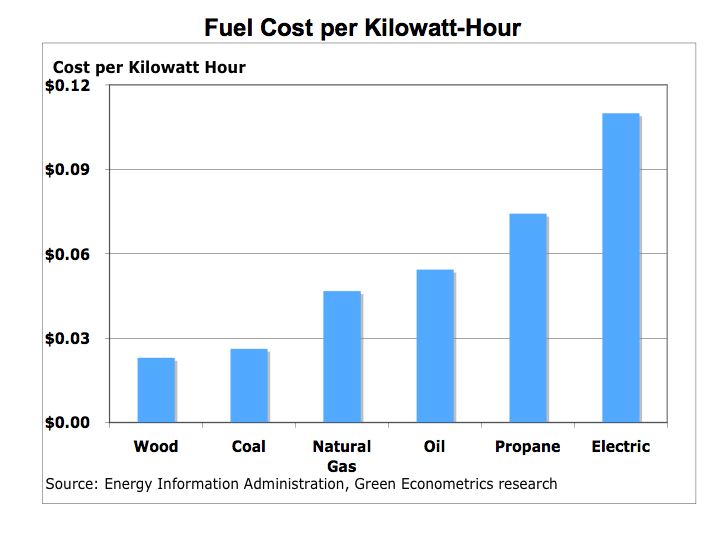
How Much Does Fossil Fuels Cost Per Kilowatt
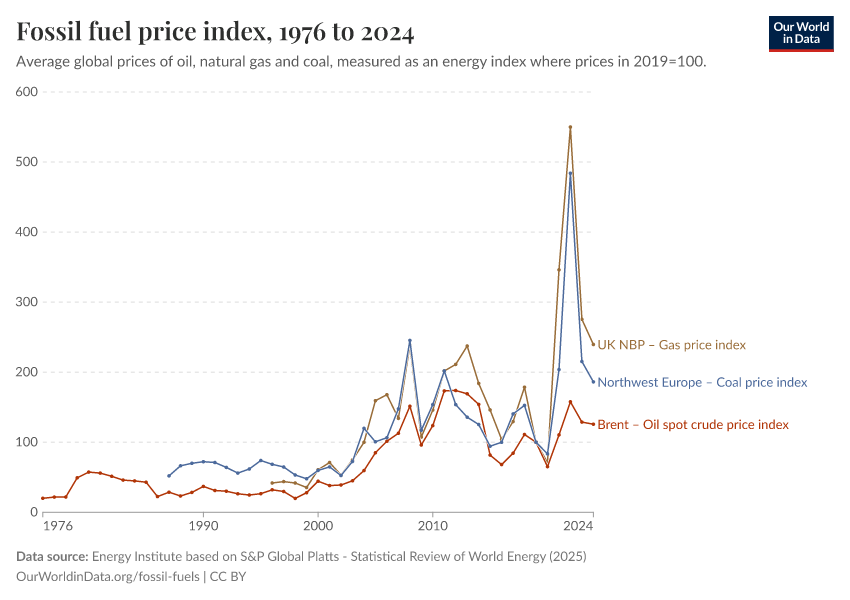
Okay, let's talk about fossil fuels! We hear about them all the time, right? But have you ever stopped to wonder, like, how much they actually cost to turn into the electricity that powers our lives? I mean, we flip a switch and BAM! Light. But what’s the price tag behind that instantaneous illumination?
It's not as simple as finding a price tag on a gallon of gasoline, because we're talking about electricity generation. So, we measure it in something called cost per kilowatt-hour (kWh). Think of a kilowatt-hour as roughly how much energy it takes to run your microwave for an hour, or binge-watch your favorite show on a big TV. Convenient, huh?
The Fossil Fuel Breakdown
First, let's clarify which fossil fuels we're talking about. We’ve got the big three: coal, natural gas, and oil. Each of these has a different process for getting that energy out and into our outlets, and each has a different price.
Must Read
Coal: Old reliable (though maybe not in the best way). It's basically like having a giant bonfire to boil water, which then spins a turbine. Sound a bit…clunky? It can be. The cost can vary a lot depending on where the coal comes from and how clean (or dirty) the power plant is.
Natural Gas: The cleaner-burning sibling of coal (relatively speaking!). Natural gas plants are often more efficient and can ramp up production quicker, making them good for meeting peak electricity demand. They either burn the gas directly to turn a turbine, or use the heat to boil water like coal. Does it mean cheaper energy? Let's dive deeper!
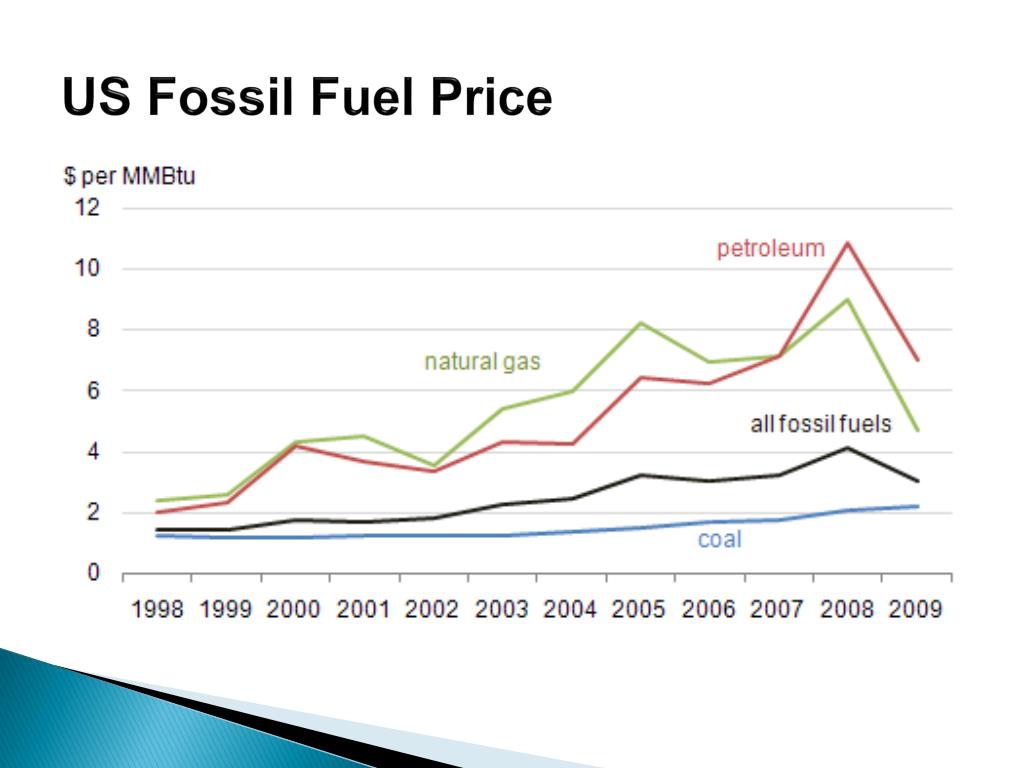
Oil: Usually the most expensive of the bunch when used for large-scale electricity generation. You might find oil-fired power plants in remote areas or as backups, but they're not typically the main workhorses of our power grids. Think of it like using premium gas when regular unleaded will do – it works, but it hits your wallet harder. Imagine filling up a whole city’s gas tank every day!
So, What's the Magic Number?
Alright, alright, I know what you're thinking: "Get to the point! How much does it actually cost?" Well, here's the thing: it's not a single, fixed number. The cost per kWh from fossil fuels is a moving target. Think of it like the stock market – always fluctuating.
Why? A few reasons:

- Fuel Prices: The price of coal, natural gas, and oil changes all the time based on supply and demand. If there's a shortage, prices go up (duh!).
- Power Plant Efficiency: Newer, more efficient power plants can squeeze more electricity out of the same amount of fuel, lowering the cost per kWh. Older plants, not so much. It's like comparing a brand-new fuel-efficient car to a vintage gas guzzler.
- Location, Location, Location: Transportation costs matter! If a power plant is far from the fuel source, getting the fuel there adds to the cost. Think of it like ordering pizza – the further away you are, the bigger the delivery fee.
- Environmental Regulations: Stricter rules on pollution control mean power plants have to invest in equipment to clean up their act, which increases the cost of electricity. Think of it as adding a fancy air purifier to your home – it's good for you, but it's not free.
However, as a very rough estimate, expect the cost of fossil fuel-generated electricity to generally fall somewhere in the range of $0.05 to $0.20 per kWh. It can be lower or higher depending on all those factors. That's a pretty wide range, right? Think of it like the price of coffee – you can get a basic cup for a couple of bucks, or a fancy latte for five or six!
Why Should We Care?
Okay, so it costs something to make electricity from fossil fuels. Big deal, right? Well, it is a big deal! Understanding these costs helps us make informed decisions about our energy future.
For example, if renewable energy sources like solar and wind become cheaper than fossil fuels (and in many places, they already are!), it makes sense to switch over. It's like choosing between a cheaper, more reliable car and an expensive, unreliable one – which would you pick?
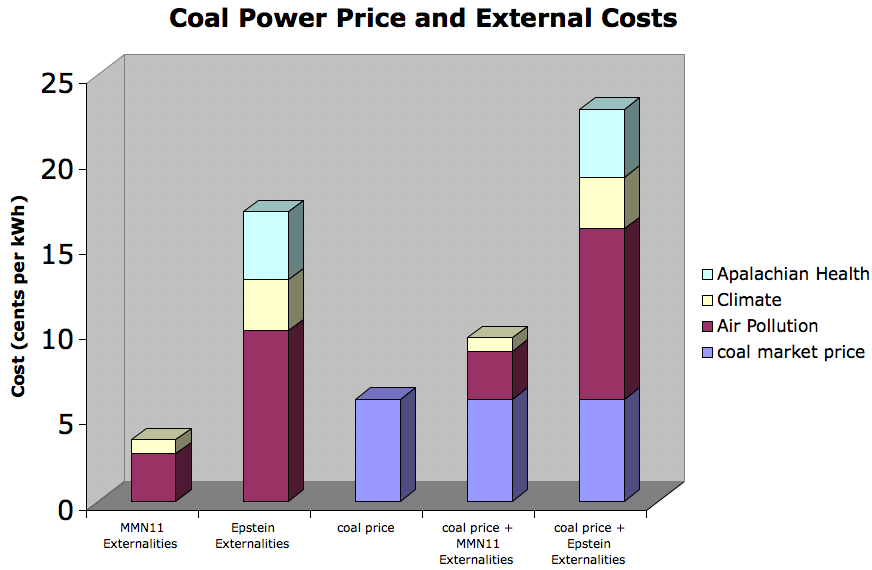
Also, remember that the price we pay isn't just the money on our electricity bill. There are also hidden costs associated with fossil fuels, like pollution, climate change, and geopolitical instability. These are harder to quantify, but they're very real.
So, next time you flip that light switch, take a moment to think about where that electricity comes from and what it really costs. It's a complex issue, but understanding the basics is a great first step towards a more sustainable and affordable energy future. Who knows? Maybe you'll be the one to invent the next big thing in clean energy!