
How Much Does Electricity Cost Per Kilowatt Hour
Okay, so picture this: I'm making popcorn (because, priorities), and suddenly I realize I have NO idea how much that delicious, buttery snack is actually costing me in electricity. I mean, we pay the bill every month, but do we really think about the individual impact of, say, a movie night with the projector blazing? Probably not. That's what got me thinking – how much does electricity cost per kilowatt-hour (kWh), anyway?
Turns out, it's not a super straightforward answer, but don't worry, we'll break it down. Because adulting is hard enough without having to do advanced calculus just to figure out if you can afford to watch one more episode on Netflix. (Spoiler: you probably can. But maybe skip the popcorn next time? Just kidding! ...Mostly.)
What is a Kilowatt-Hour, Anyway?
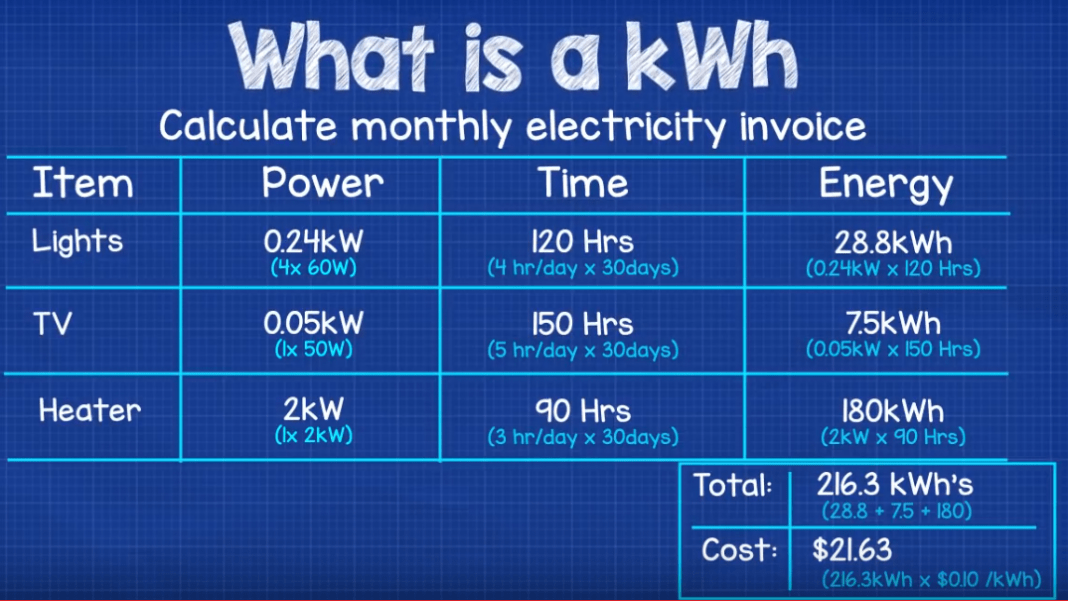
First things first: let's define our terms. A kilowatt-hour (kWh) is basically a unit of energy. Think of it like this: it's the amount of energy your device uses if it's running at 1 kilowatt (1000 watts) for one hour. So, a 100-watt lightbulb burning for 10 hours also uses 1 kWh. Simple, right? ...Ish.
Must Read
Think of it as your electric bill's currency. Every appliance you use, every light you switch on, every phone you charge, all contribute to your kWh consumption. And that consumption translates directly into the amount you pay your electricity provider.
So, How Much Are We Talking?
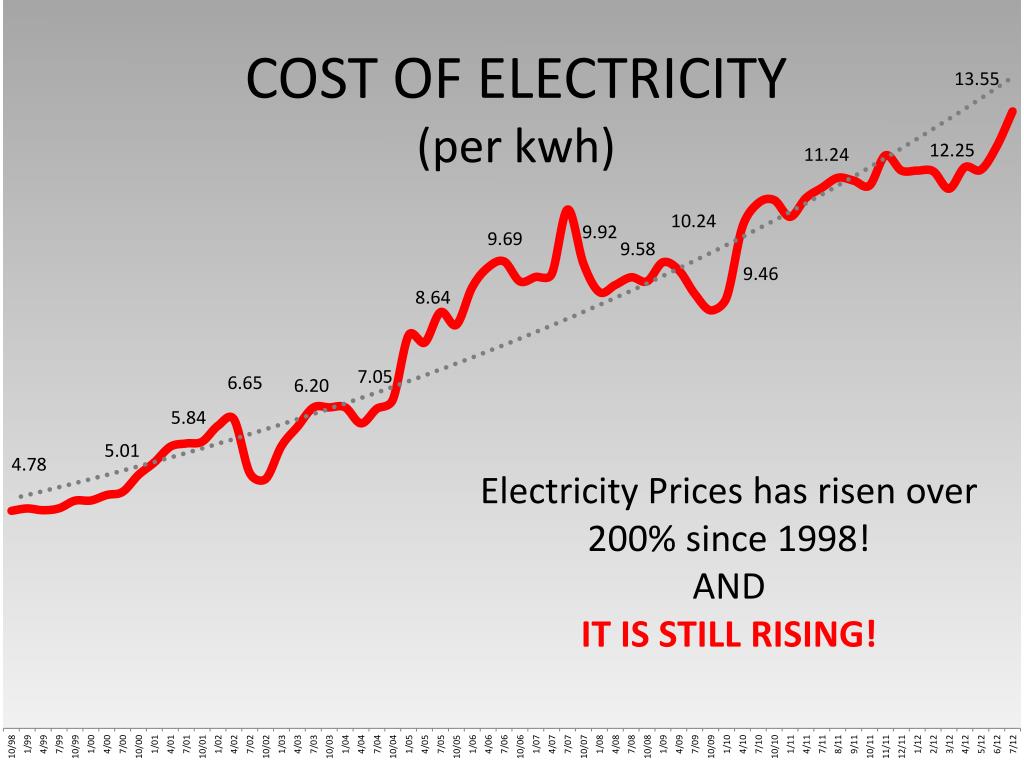
Now for the million-dollar (or, more accurately, the 15-cent) question. The cost of electricity per kWh varies wildly depending on a bunch of factors. I'm talking location, time of year, the specific electricity provider you use, and even the type of plan you're on. Seriously, it's a real grab bag out there.
.png)
In the US, the average residential electricity rate is somewhere around 15 cents per kWh. But that's just an average! You might be paying more or less depending on where you live. Someone in Hawaii, for example, will likely be paying significantly more than someone in, say, Washington State. Seriously, Hawaii has some of the highest electricity rates in the nation!
Why the variations? Well, it's all about supply and demand, the cost of fuel used to generate the electricity (think coal, natural gas, renewables), and the infrastructure needed to deliver the power to your home. It’s a whole economic ecosystem that's way more complicated than my popcorn craving!
Factors That Influence Your Electricity Rate
Let's dive into some of the key factors that impact your electricity cost:
- Location, Location, Location: As mentioned, where you live is a HUGE determinant. Some states rely more heavily on expensive fuels, while others have access to cheaper renewable energy sources.
- Time of Year: In the summer, when everyone is cranking up the AC, demand spikes, and prices can increase. Similarly, in colder climates, heating costs can push up prices in the winter. Basically, using more power drives up the cost for everyone.
- Your Electricity Provider and Plan: Different providers offer different rates and plans. Some have fixed rates, while others have variable rates that fluctuate with the market. Look into options!
- Time-of-Use Pricing: Some utilities offer time-of-use (TOU) plans, where electricity is cheaper during off-peak hours (like overnight) and more expensive during peak hours (like late afternoon/early evening). If you're flexible, this can be a great way to save money. Consider doing laundry at 2 am? Okay, maybe not. But shifting some energy use to off-peak times can definitely help.
How to Find Out Your Actual Electricity Rate
Okay, enough theory. How do you find out what you're actually paying per kWh? Simple! Just grab your most recent electricity bill. It should clearly state the rate you're being charged. Look for something like "Price per kWh" or "Energy Charge." This is the number you're looking for!

You can also usually find this information on your electricity provider's website. Pro tip: if you can't find it easily, give them a call! They're usually happy to help (or at least pretend to be).
What Can You Do About It?
So, you know your rate... now what? If you're not happy with it, there are a few things you can do:
- Shop Around: In some areas, you have the option to choose your electricity provider. Compare rates and plans from different companies to see if you can find a better deal.
- Conserve Energy: This is the most obvious, but also the most effective. Turn off lights when you leave a room, unplug electronics when you're not using them, and consider investing in energy-efficient appliances. Every little bit helps! Plus, Mother Earth will thank you.
- Consider Renewable Energy: If you're feeling ambitious, you could explore options like solar panels or wind power. This is a bigger investment upfront, but it can save you money in the long run and reduce your carbon footprint.
Ultimately, understanding the cost of electricity per kWh is all about empowering yourself to make informed decisions about your energy consumption. And maybe, just maybe, it'll make you think twice before hitting that "play next episode" button. (Nah, probably not. But at least you'll know how much it's costing you!).
