How Much Does An Electrician Make In Massachusetts
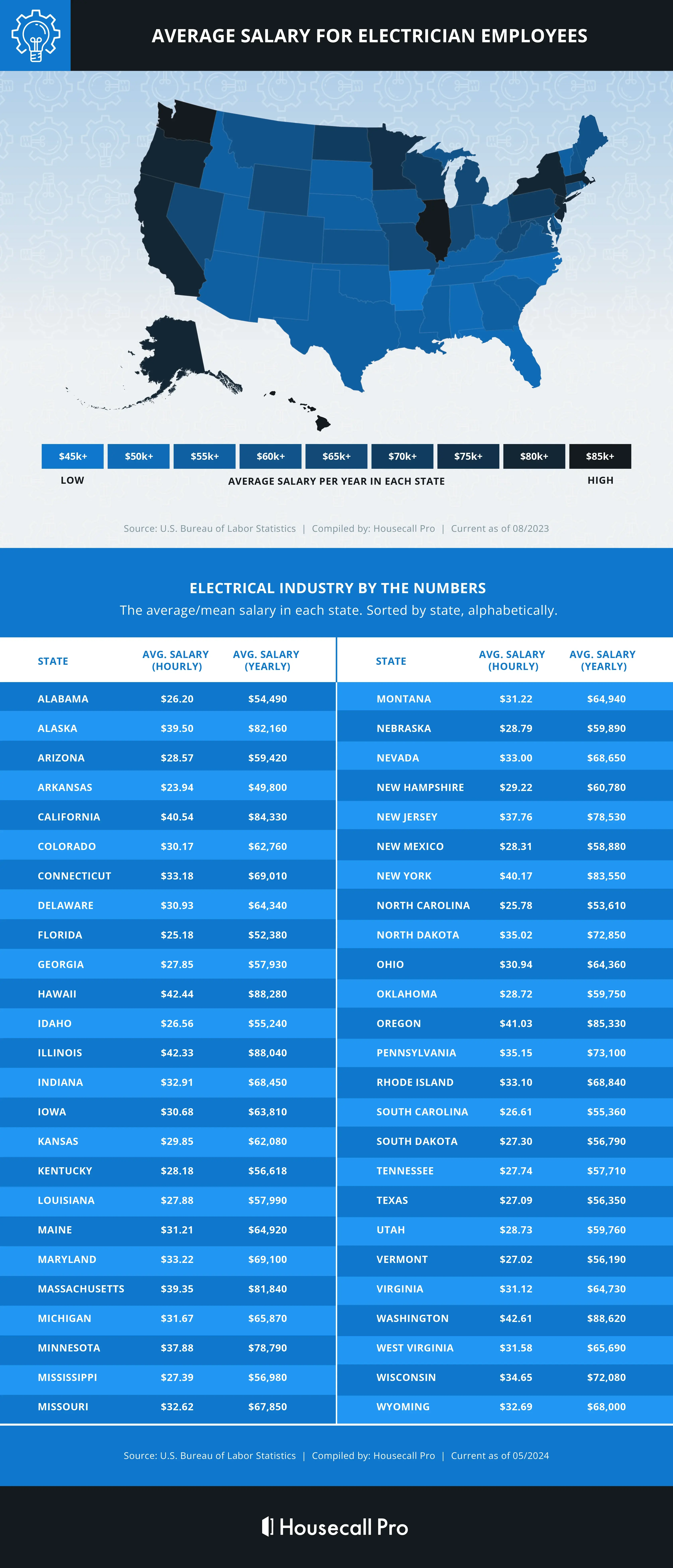
Ever wondered if you could spark a rewarding career in Massachusetts? Maybe you're tired of your current job, or perhaps you're just curious about what kinds of opportunities are out there. One job that's always in demand is that of an electrician. We all rely on electricity, and qualified electricians are the ones who keep our lights on and our devices charged! So, let's plug into the question everyone's thinking: how much does an electrician actually make in the Bay State?
Understanding potential earnings is crucial for a few reasons. Firstly, if you're considering a career change, knowing the salary range helps you determine if it aligns with your financial goals and lifestyle. Secondly, if you're already an electrician, knowing the average wage in your area empowers you to negotiate for fair compensation. Finally, it's just plain interesting! It gives you a peek into the value society places on this essential trade.
Alright, let's get down to brass tacks. The salary of an electrician in Massachusetts can vary quite a bit depending on several factors. These include experience level, location within the state, specialization (e.g., residential, commercial, or industrial), and whether they are union or non-union.
Must Read
Generally speaking, entry-level electricians, apprentices just starting out, will earn less than seasoned veterans with years of experience under their belts. Think of it like this: the more electrical knowledge you possess, the more valuable you become to employers. Those fresh out of training programs might start closer to the $35,000 - $45,000 range annually. However, with each year of experience and additional certifications, that number steadily climbs.
Experienced electricians, particularly those with specialized skills in areas like solar panel installation, high-voltage systems, or industrial automation, can command salaries well into the $70,000 - $90,000+ range per year. Location matters too! Electricians working in Boston or other high-cost-of-living areas may earn more to compensate for the higher expenses.
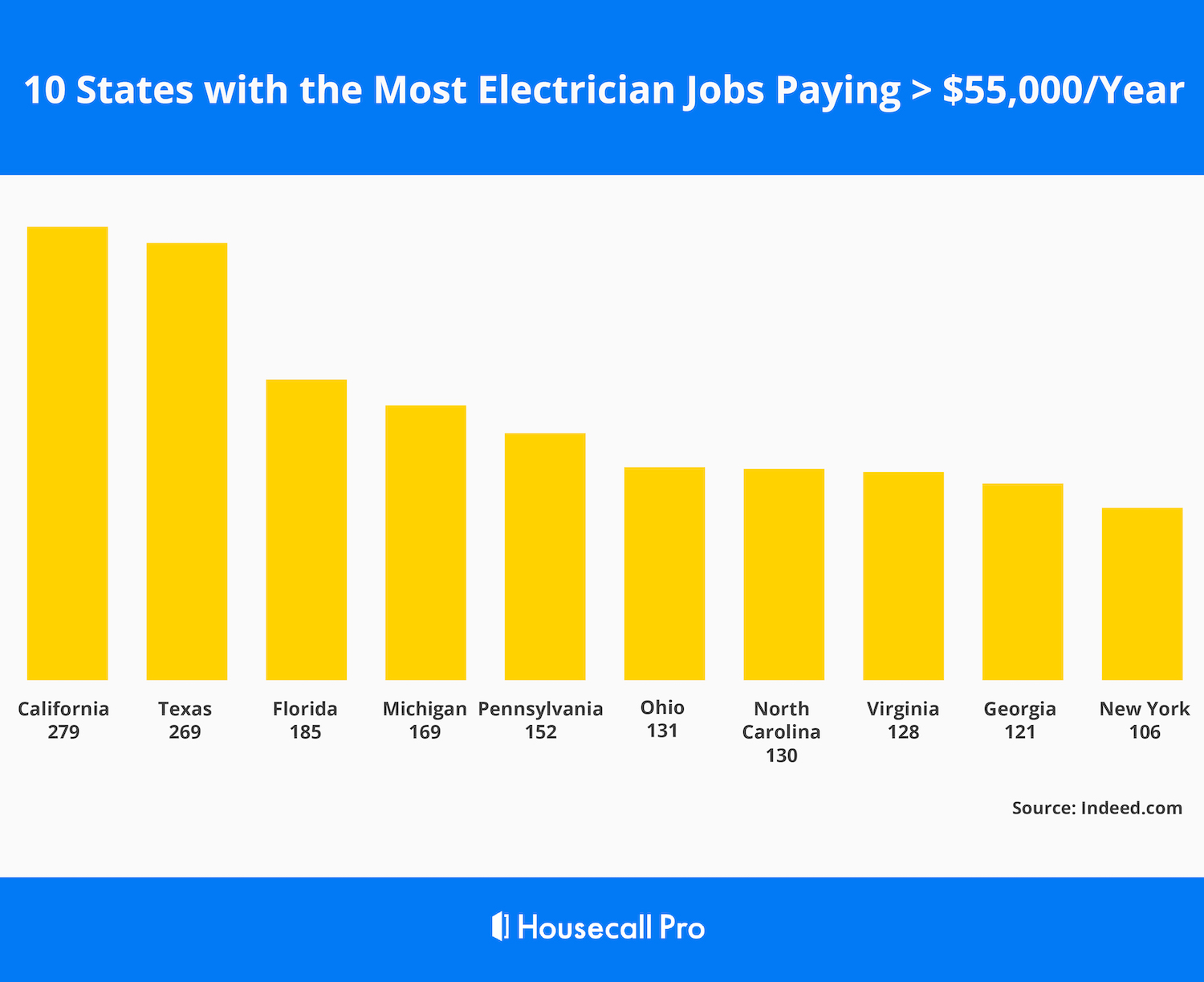
Another factor influencing earnings is union membership. Union electricians often receive better benefits packages, including health insurance, retirement plans, and ongoing training, which can add significant value to their overall compensation. While union positions may be more competitive to secure, the long-term benefits can be substantial.
So, what's the takeaway? Being an electrician in Massachusetts can be a lucrative career path. While entry-level positions offer a starting point, dedication to learning, gaining experience, and potentially specializing can lead to significant earning potential. It's a field that offers both financial stability and the satisfaction of knowing you're playing a vital role in keeping our world powered up. If you're considering a hands-on, in-demand trade, becoming an electrician in Massachusetts might just be the bright idea you've been looking for!