
How Much Does An Electrician Charge To Change Outlets

Alright folks, let's talk about something that might seem a little…dry. Outlets! Yeah, those little portals to power in your walls. But trust me, understanding what it costs to swap one out can be surprisingly empowering. (Pun intended!) After all, knowledge is power, right? And knowing how much that power should cost you is even better!
So, you're staring at that old, cracked, or maybe even sparking outlet and thinking, "Time for a change!" Good on you! Safety first, friends. But before you reach for your toolbox (unless you really know what you're doing – electricity is not something to mess with!), let's break down the cost of hiring a pro.
The Price is Right...Or Is It?
Okay, let's get down to brass tacks. How much does an electrician charge to change an outlet? The short answer? It varies! But don't worry, I'm not going to leave you hanging there. Several factors play a role in determining the final bill. We're talking about things like:
Must Read
- Your Location: Big city prices are often higher than smaller town rates. Think about it: rent, cost of living, all that jazz.
- Type of Outlet: A standard, run-of-the-mill outlet is going to be cheaper to replace than a fancy GFCI (Ground Fault Circuit Interrupter) outlet, which you'll find in kitchens and bathrooms. Those need extra care and expertise.
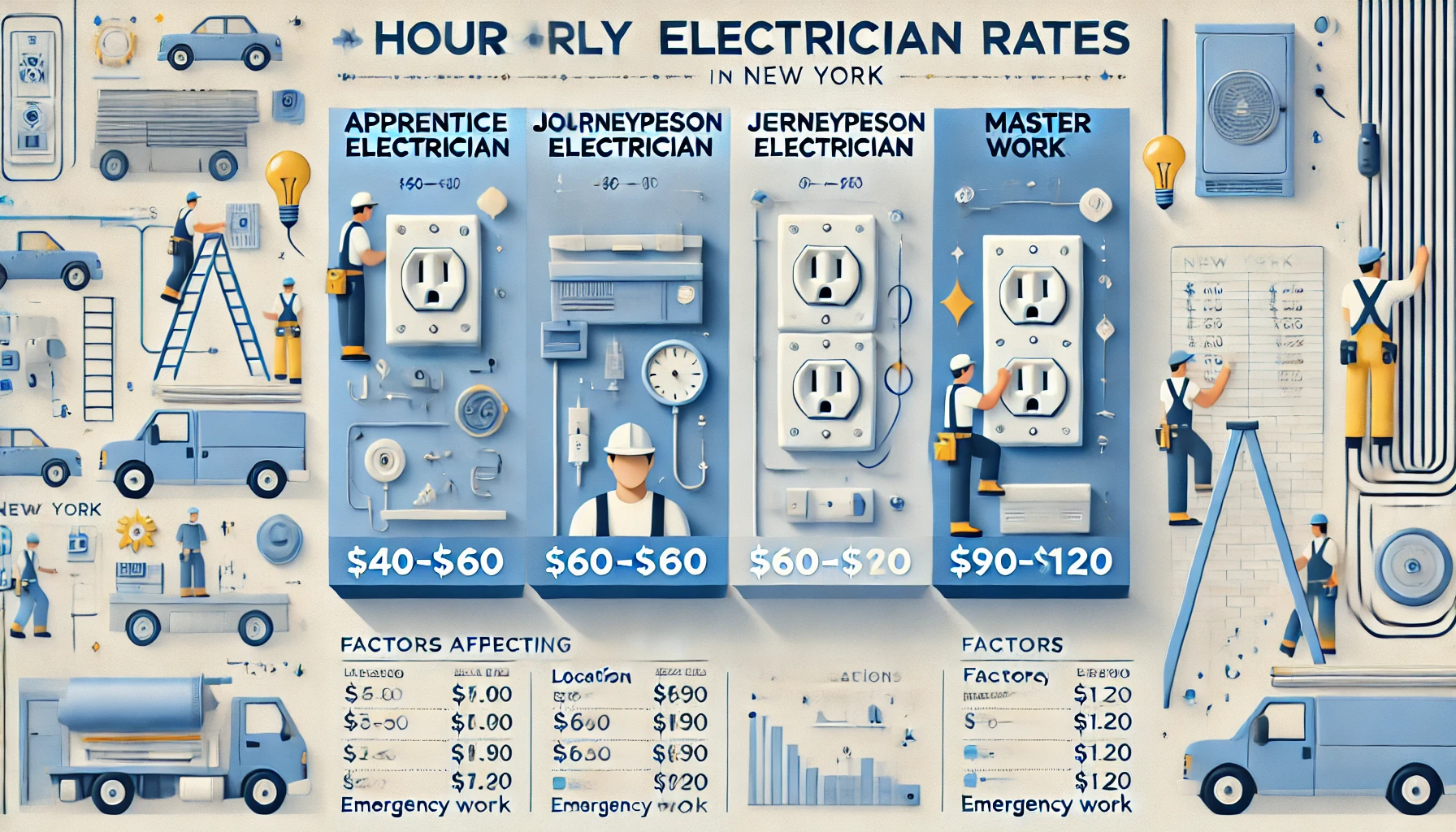
- The Electrician's Hourly Rate: Electricians, like any skilled professional, charge for their time and expertise. Rates can differ depending on experience, licenses, and reputation.
- The Complexity of the Job: Is the wiring straightforward? Or is it a tangled mess behind the wall? Complicated wiring means more time and, you guessed it, more money.
- Minimum Service Fees: Many electricians have a minimum charge, even if the job only takes 15 minutes. It’s just the nature of running a business.
Generally speaking, you can expect to pay anywhere from $75 to $250 per outlet for a simple replacement. But again, that's a very general range. Get a few quotes before you commit!
Pro Tip: Ask for an itemized quote! This will break down the costs for labor, materials, and any other fees. Transparency is key!
Beyond the Basic Outlet
Now, let's say you want to upgrade to a USB outlet, or install a smart outlet. These are fantastic additions to any modern home! But, they'll likely cost more than a standard replacement.
USB outlets are super convenient for charging your phones and tablets without needing those bulky wall adapters. Smart outlets, on the other hand, allow you to control your devices remotely, set schedules, and even monitor energy usage. Talk about living in the future!
For these types of upgrades, you could be looking at $100 to $300+ per outlet, depending on the brand, features, and the electrician's rates. Worth it? I think so! Imagine turning on your lights from your phone while you're on vacation – deterring potential burglars and making your life just a little bit easier. That’s pretty cool, right?

DIY vs. Calling a Pro: A Word of Caution
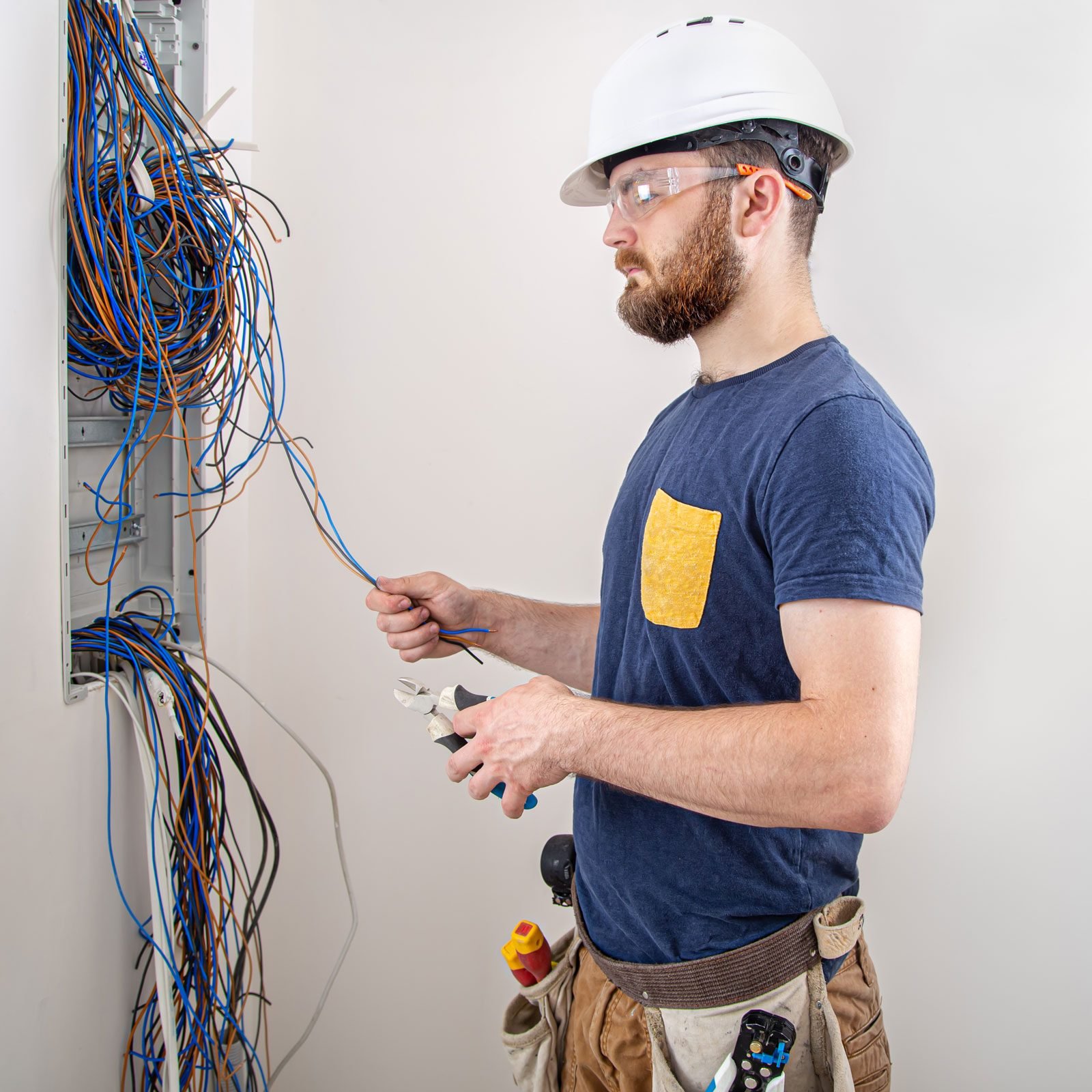
I know, I know. The DIY bug has bitten you! And there are tons of tutorials online showing you how to change an outlet. But let me be crystal clear: working with electricity can be dangerous. Seriously dangerous. If you're not 100% confident in your abilities, please, for your own safety and the safety of your home, call a qualified electrician.
Think of it this way: You wouldn’t perform surgery on yourself, would you? Electricity deserves the same respect. A licensed electrician has the training, experience, and tools to get the job done safely and correctly.
Plus, they can spot potential problems that you might miss, like faulty wiring or overloaded circuits. Addressing these issues early can prevent future headaches (and potentially dangerous situations) down the road.
Get Multiple Quotes & Ask Questions
Before you hire an electrician, do your homework! Get at least three quotes from different electricians in your area. Read online reviews and check their credentials. Are they licensed and insured? Don't be afraid to ask questions! A good electrician will be happy to explain their process and answer any concerns you might have.
Here are a few questions to get you started:
- Are you licensed and insured?
- How much experience do you have with outlet replacement?
- Do you offer a warranty on your work?
- What is your hourly rate and minimum service fee?
By asking these questions, you can ensure that you're hiring a qualified professional who will do the job right.
Power Up Your Knowledge (And Your Home!)
So, there you have it! A breakdown of what you can expect to pay for outlet replacement. Remember, these are just estimates. The best way to get an accurate quote is to contact a few local electricians and get them to assess your specific situation.
Don't be intimidated by the world of electrical work! With a little research and planning, you can make informed decisions that will keep your home safe and functional. And who knows, maybe this is the start of a new hobby! (Okay, maybe not. But hey, at least you'll know what's going on behind those outlet covers!).
Feeling inspired to learn more about home electrical systems? Fantastic! There are tons of resources available online and in your community. Take a class, read a book, or even shadow a local electrician for a day. The more you know, the more empowered you'll be to take control of your home and your life. Now go forth and conquer... responsibly, of course! And always, always prioritize safety.