
How Much Does An Electric Bill Cost On Average

Okay, let's talk electric bills. It's a topic that’s about as thrilling as watching paint dry… until you open that envelope (or, let’s be real, that email) and see the damage. Then it's suddenly the most exciting (and terrifying) thing in your inbox. So, how much are we really spending to keep the lights on and the Netflix streaming?
The honest answer? It’s complicated. Think of it like trying to guess the plot of a Christopher Nolan movie – there are a lot of variables at play. But don't worry, we'll break it down.
The National Average: A Starting Point
Nationally, the average electric bill in the U.S. hovers around $175 per month. That's like, two fancy avocado toasts every day, or a decent concert ticket. But before you panic, remember that's just an average. Your actual bill depends on a whole host of factors.
Must Read
Factors Influencing Your Bill: Location, Location, Location!
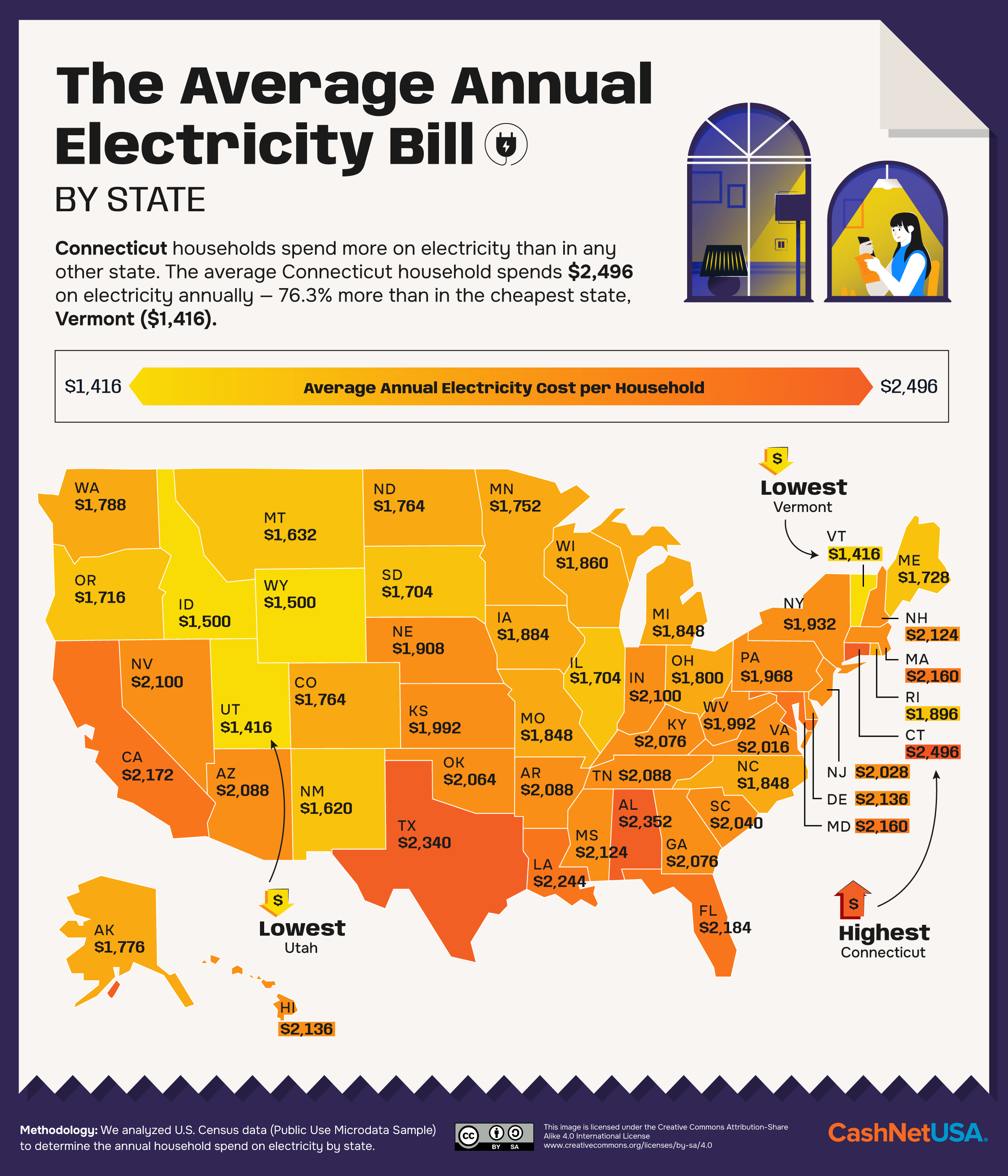
Just like real estate, location is everything. States with extreme climates, like Arizona (scorching summers) or Maine (brutal winters), tend to have higher energy consumption. In places where you need to run the AC or crank up the heat for months on end, your bill will naturally be higher. Think of it this way: living in San Diego is probably going to be cheaper (in terms of energy) than living in Fairbanks, Alaska. No surprise there!
Energy prices also vary widely from state to state. Some states have access to cheaper energy sources (like hydroelectric power), while others rely on more expensive options. The Energy Information Administration (EIA) is your friend here; they have tons of data on electricity prices by state.
Your Home's Energy Footprint: Size Matters (and Age, and Insulation...)
The size of your home is a big deal. A sprawling mansion is going to guzzle way more electricity than a cozy studio apartment. But it’s not just about square footage. Older homes often have poor insulation, leaky windows, and outdated appliances, all of which contribute to higher energy bills. It's like trying to run a marathon in flip-flops – inefficient and painful.
Think about your appliances. Is your refrigerator from the Stone Age? Upgrading to an energy-efficient model can make a significant difference over time. The same goes for your washing machine, dryer, and dishwasher. Look for the Energy Star label – it's like a gold star for energy efficiency.
Your Energy Habits: Are You an Energy Hog?
Be honest with yourself: are you leaving lights on in empty rooms? Do you crank up the AC to Arctic temperatures, even when you're wearing a sweater? Your energy habits play a huge role in your bill. It’s like that friend who always leaves the tap running while brushing their teeth – annoying and wasteful.
![Average Electric Bill by State [2023] | Credit.com](https://www.credit.com/blog/wp-content/uploads/2024/10/average-electric-bill-cost.png)
Here are a few quick tips to curb your energy usage:
- Unplug electronics when not in use. They're still drawing power in standby mode. Think of it as preventing energy vampires from sucking your wallet dry.
- Use energy-efficient light bulbs. LED bulbs are your best bet. They last longer and use significantly less energy than traditional incandescent bulbs.
- Adjust your thermostat. Even a few degrees can make a difference. A programmable thermostat can help you automate this process.
- Wash clothes in cold water. Hot water uses a lot of energy.
- Take shorter showers. For the sake of your wallet (and the environment!).
Beyond the Basics: Alternative Energy and Smart Home Tech
Consider investing in solar panels. While the upfront cost can be significant, it can drastically reduce your electric bill over the long term. Plus, you'll feel good about doing your part for the planet. It's like buying a fancy reusable water bottle – good for you and the environment!

Smart home technology can also help you manage your energy consumption. Smart thermostats, smart plugs, and energy monitors can give you valuable insights into how you're using energy and help you identify areas where you can save.
The Final Bill: It's More Than Just a Number
So, how much does an electric bill cost on average? It's a moving target, influenced by a mix of location, home characteristics, and personal habits. While the national average provides a benchmark, the key is to understand your own energy footprint and take steps to reduce it.
Ultimately, understanding your energy bill isn't just about saving money; it's about being more mindful of our impact on the planet. Every kilowatt-hour saved is a small victory in the fight against climate change. And that’s something to feel good about.
