
How Much Does A Solder Cost
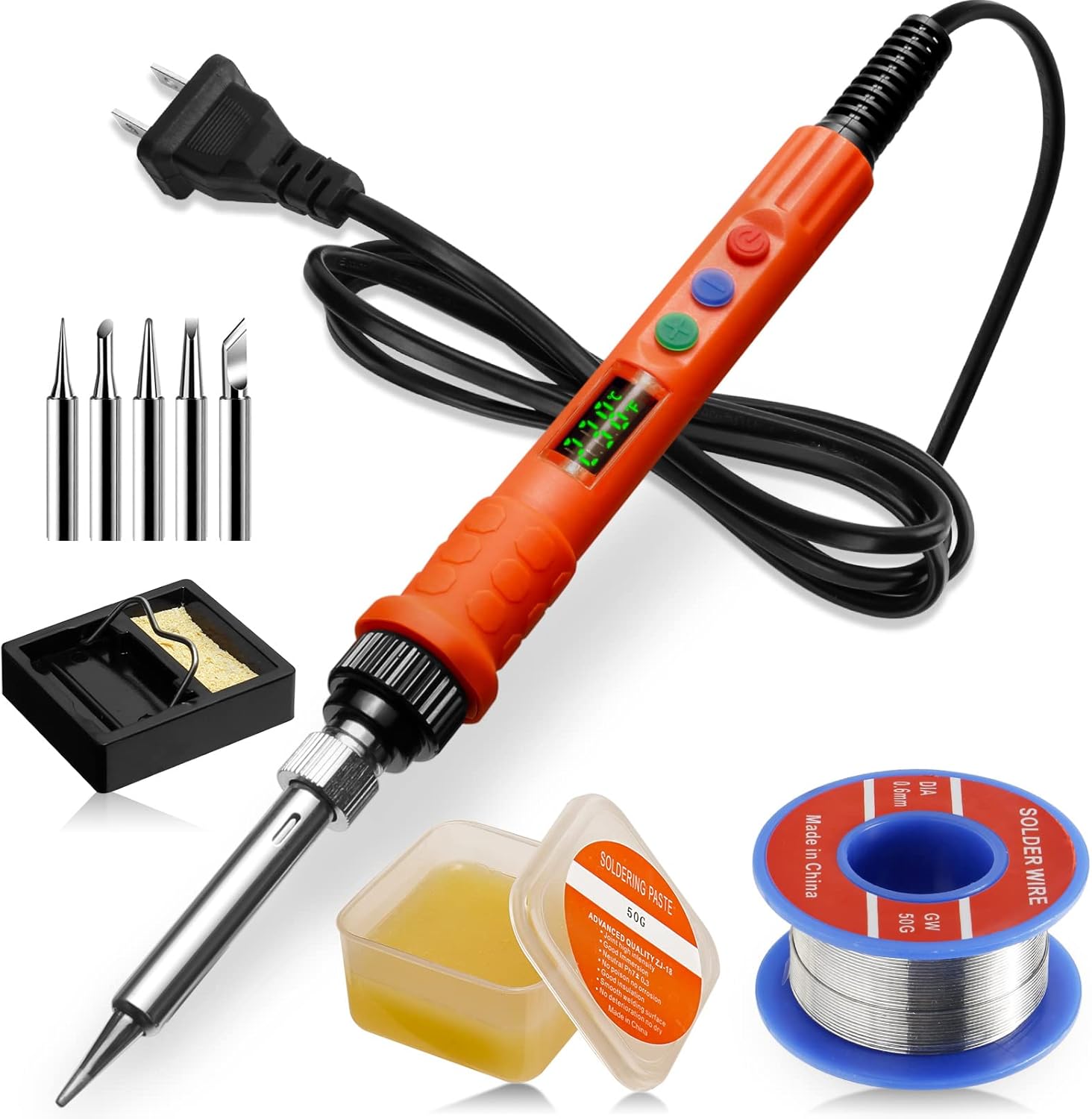
Ever held your smartphone, watched TV, or even just clicked a remote control? There’s a silent, microscopic dance happening inside, a delicate ballet of electricity connecting countless tiny parts. And at the heart of many of these connections lies a true unsung hero, a humble silvery thread that often gets overlooked.
We’re talking about solder. Not the person who serves in the military, but the metallic glue that holds our electronic world together. It’s the material that creates the tiny, crucial bonds on circuit boards, making sure everything from your espresso machine to a spaceship runs perfectly.
So, how much does a coil of this magical stuff actually cost? You might be surprised. For something so utterly indispensable to modern life, its price tag is remarkably, almost humorously, low.
Must Read
Imagine walking into an electronics shop or browsing online. You’re looking for a roll of this metallic marvel. A decent-sized spool, enough for dozens, perhaps hundreds, of small projects, usually costs somewhere between five and fifteen dollars. Yes, you read that right: a handful of pocket change can buy you a tool that connects the world.
It’s almost like finding out the secret ingredient in a five-star meal is just a pinch of salt. This tiny investment, this mere handful of dollars, unlocks a universe of possibilities. It’s a testament to how often the most critical components are not the flashiest or the most expensive.
Think about the journey of a single roll of solder. It might start in a bustling factory, melted down and drawn into a thin, shining wire. Then, it lands on a shelf, patiently waiting for its next adventure, for the hand that will pick it up and give it purpose.

Perhaps it ends up with a budding young engineer, still in school, excited to build their very first blinking LED circuit. With a heated soldering iron and a steady hand, they’ll learn the delicate art of making a perfect connection. The cost of the solder is negligible, but the lesson in creation is priceless.
Or maybe it finds its way into the hands of a seasoned hobbyist, someone with a garage workshop filled with intriguing gadgets. This individual might use it to fix a beloved, decades-old radio, breathing new life into forgotten melodies. The solder here is a bridge to nostalgia, a tiny strand connecting past and present.
Consider the professional repair technician. Someone faces a broken laptop, a frustratingly blank screen. With a skilled touch and a thin wisp of smoke, they melt a small amount of solder to rejoin a crucial component. That ten-dollar roll just helped save a thousand-dollar device, making someone's day, or even their entire work week, much better.

There’s a beautiful irony in its affordability. We often equate value with expense, but solder elegantly defies this notion. It whispers a secret truth: that immense power and pivotal utility can come in the most unassuming, budget-friendly packages.
Let's not forget the sheer joy it brings to those who create. Imagine an artist, not with paint or clay, but with wires and circuits, crafting intricate electronic sculptures. Solder becomes their medium, allowing them to fuse light, sound, and movement into breathtaking installations. The tiny cost of the material is utterly dwarfed by the boundless creativity it enables.
It's also a silent champion of sustainability. In a world increasingly focused on disposability, solder stands as a tiny metallic advocate for repair. Instead of tossing out a broken item, a little heat and a dash of solder can often mend it, extending its life and reducing waste. It’s a small act of rebellion against the throwaway culture.
The act of soldering itself is a meditative process for many. The controlled heat, the way the solder flows and gleams, creating a perfect, silvery bond. It’s a moment of precision, focus, and quiet satisfaction. It’s a physical manifestation of connection, literally forging links that carry information and power.

The Heart of the Connection
So, the monetary cost of solder is low. That's the simple answer to "How much does a solder cost?" But the true cost, or perhaps better put, the true value, is immeasurable. It’s not about dollars and cents; it’s about what it facilitates, what it enables, and the doors it opens.
Think of it as the friendly handshake between two components, ensuring they communicate perfectly. Without this unassuming metallic handshake, our digital world would crumble. Phones wouldn't ring, computers wouldn't compute, and all the incredible technology we rely on daily simply wouldn't exist.
Next time you marvel at a complex piece of electronics, take a moment to appreciate the tiny, silvery bonds holding it all together. It's a reminder that sometimes, the most important things in life are the ones we least notice, the ones that quietly work behind the scenes.

More Than Just Metal
In a world captivated by grand inventions and flashy discoveries, solder is a humble reminder of the power of the small. It’s a symbol of connection, repair, and creation, all wrapped up in an incredibly affordable package.
It’s the silent partner in innovation, the loyal helper in DIY projects, and the steadfast repairer of beloved gadgets. Its financial cost is minimal, but its contribution to our connected lives is monumental. It truly is one of the most cost-effective miracles of the modern age.
"The smallest connections often hold the biggest worlds together."
So, while a spool of solder might only set you back the price of a fancy coffee, its impact is as vast as the internet itself, as crucial as the microchips it helps to connect. It’s a tiny hero, quietly doing its job, making sure our bright, buzzing, electronic world keeps spinning.