
How Much Does A Single Solar Panel Cost

Okay, picture this: You’re scrolling through your feed, maybe watching a documentary about climate change, or perhaps you just saw your neighbor finally get those sleek, shiny panels installed on their roof. And a thought pops into your head, clear as day: "How much does one of those things even cost?"
Be honest, you’ve wondered, haven’t you? I know I have! It’s like seeing a fancy car and thinking, "Okay, but what’s the sticker price on just the tire?" (Maybe that’s just me, but you get the idea!). We see these grand solar arrays and our brains, naturally curious, zoom in on the smallest, most identifiable unit: the single solar panel.
And that, my friends, is the question we're tackling today. Forget the whole system for a minute – we’re going granular. We’re asking: what’s the damage for just one, lone solar panel?
Must Read
The "Simple" Answer (with a giant asterisk, of course)
Alright, let’s cut to the chase. If you were to buy a single solar panel today, off the shelf, without any installation, wiring, inverters, or the gazillion other bits and bobs that make it actually work... you're generally looking at a range of about $150 to $500 per panel.
"Whoa, that's a pretty big range!" I hear you thinking. And you're absolutely right, keen observer! This isn't like buying a carton of eggs where the price is fairly standard. The cost of a solar panel is like a chameleon, constantly changing based on a few key factors. So, let’s unbox that range a little.
What Makes One Panel Pricier Than Another?
This is where things get interesting. It’s not just about "solar panel" anymore. It's about which solar panel.
1. Brand Recognition (The Gucci vs. The Gap of Solar)
Just like anything else, there are premium brands (think SunPower, REC) and more budget-friendly options. Higher-tier brands often come with better warranties, slightly higher efficiency, and a price tag to match. You're paying for that R&D and peace of mind, essentially.
2. Power Output (The Horsepower of Your Panel)
Solar panels are rated in watts (W). A standard residential panel might range from 300W to 400W, or even higher now, sometimes pushing past 500W for larger modules. Naturally, a higher wattage panel (meaning it can generate more electricity) will typically cost more than a lower wattage one. More power, more pennies. Makes sense, right?

3. Efficiency (How Good It Is at Its Job)
Efficiency refers to how much sunlight a panel can convert into usable electricity. A panel that's 20% efficient will generate more power from the same amount of sunlight than an 18% efficient one of the same size. More efficient panels usually cost more per panel, but you might need fewer of them for the same overall system output, potentially saving you money on other components and installation. It's a bit of a trade-off!
4. Panel Type (Monocrystalline vs. Polycrystalline)
Without getting too geeky, monocrystalline panels are generally black, look sleeker, and are a bit more efficient and expensive to manufacture. Polycrystalline panels often have a bluer hue, are slightly less efficient, and thus a bit cheaper. Most modern residential installations lean towards monocrystalline for their aesthetic and performance, especially if roof space is limited.
5. Warranty & Quality (Your Future-Proofing)
A good panel comes with a solid warranty, often 25 years or more for performance. Better quality materials and manufacturing processes that ensure longevity often mean a higher upfront cost. It’s an investment, after all! Think of it as insurance for your sunny future.
The Bigger Picture: Why "Just One Panel" Isn't the Whole Story
Okay, so you've got your theoretical single solar panel in your hands for, say, $300. Awesome! Now what? Can it power your fridge? Nope. Your phone charger? Maybe for a bit, but it’s not really designed for that.
This is the crucial part: a single solar panel, by itself, is like buying a single LEGO brick and expecting to build a castle. It's just one component. To actually generate usable electricity for your home, you need a system. This means:
- Inverters: To convert DC electricity from the panels to AC electricity your home uses.
- Racking & Mounting: To secure the panels to your roof.
- Wiring & Electrical Components: All the bits that connect everything safely.
- Labor: Professional installation isn't cheap, but it's essential for safety and performance.
- Permits & Inspections: Because Big Brother wants to make sure your roof doesn't fly off (and rightly so!).
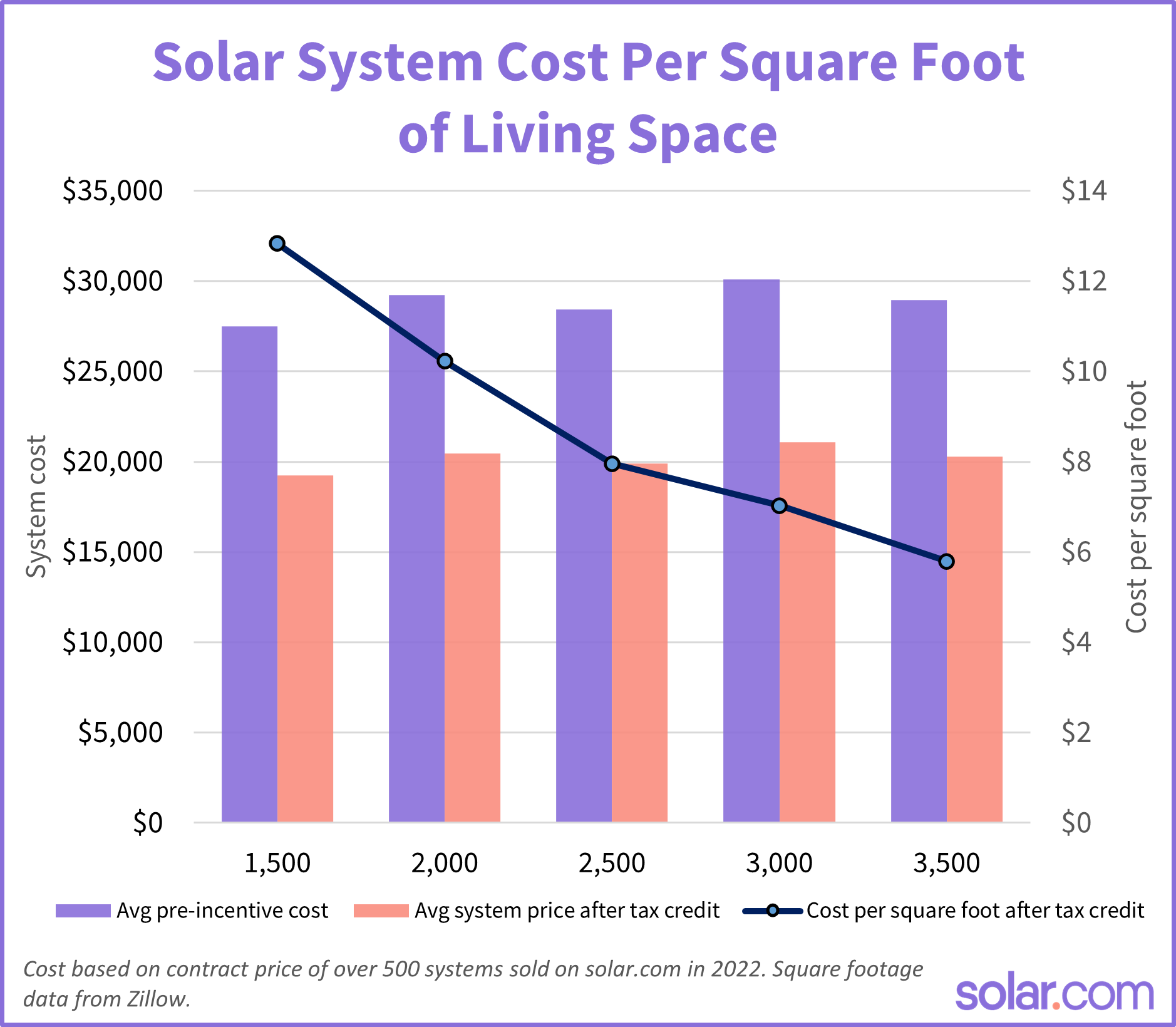
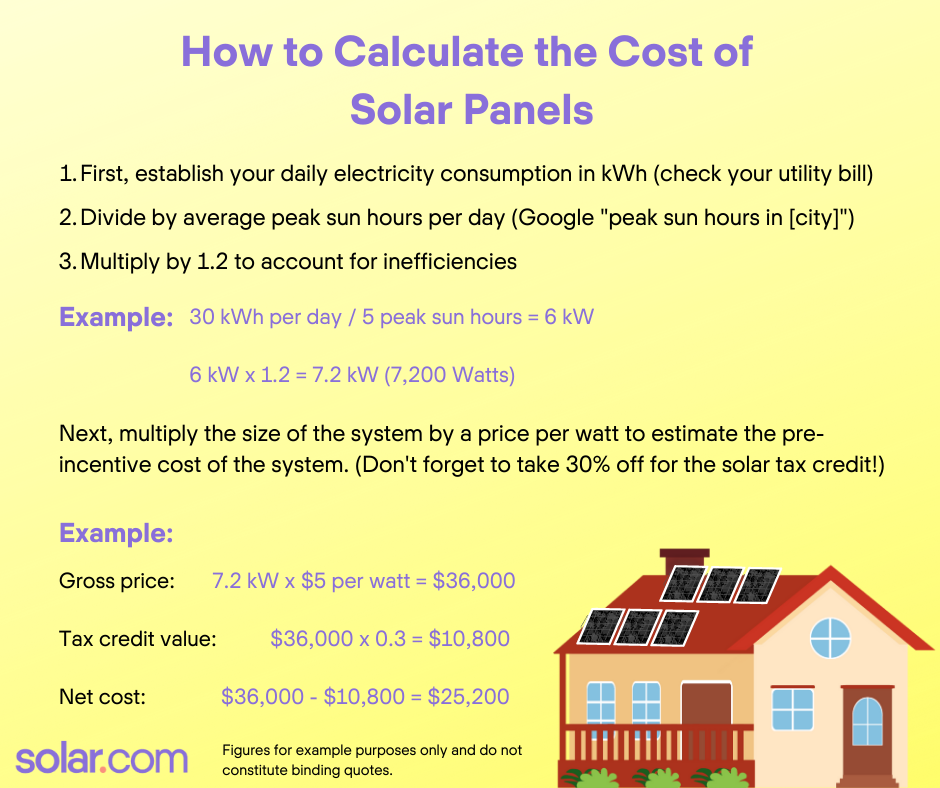
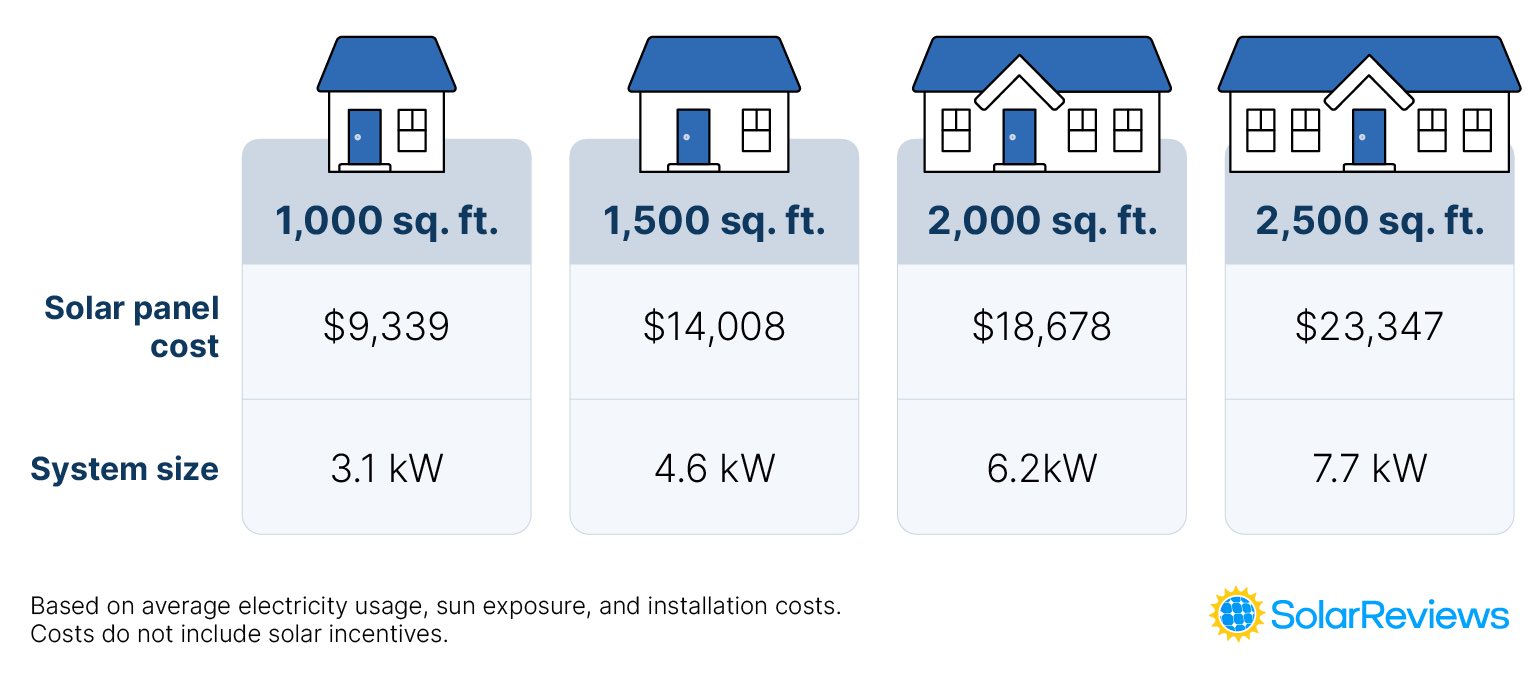
When people talk about the "cost of solar," they're almost always referring to the installed system cost, which currently hovers around $2.50 to $3.50 per watt (before incentives). The panels themselves typically make up only about 15-20% of that total. See? Told you it wasn't simple!
So, What's the Takeaway?
While a single solar panel might cost you anywhere from $150 to $500, thinking about its individual price isn't really the most practical way to approach going solar. It's an interesting curiosity, sure, but the true value and cost come from the entire, functioning system.
So next time you eye those sleek panels on a rooftop, you’ll know a little more about what goes into that single unit, and more importantly, what it takes to get them working together to power a home. Pretty neat, huh?