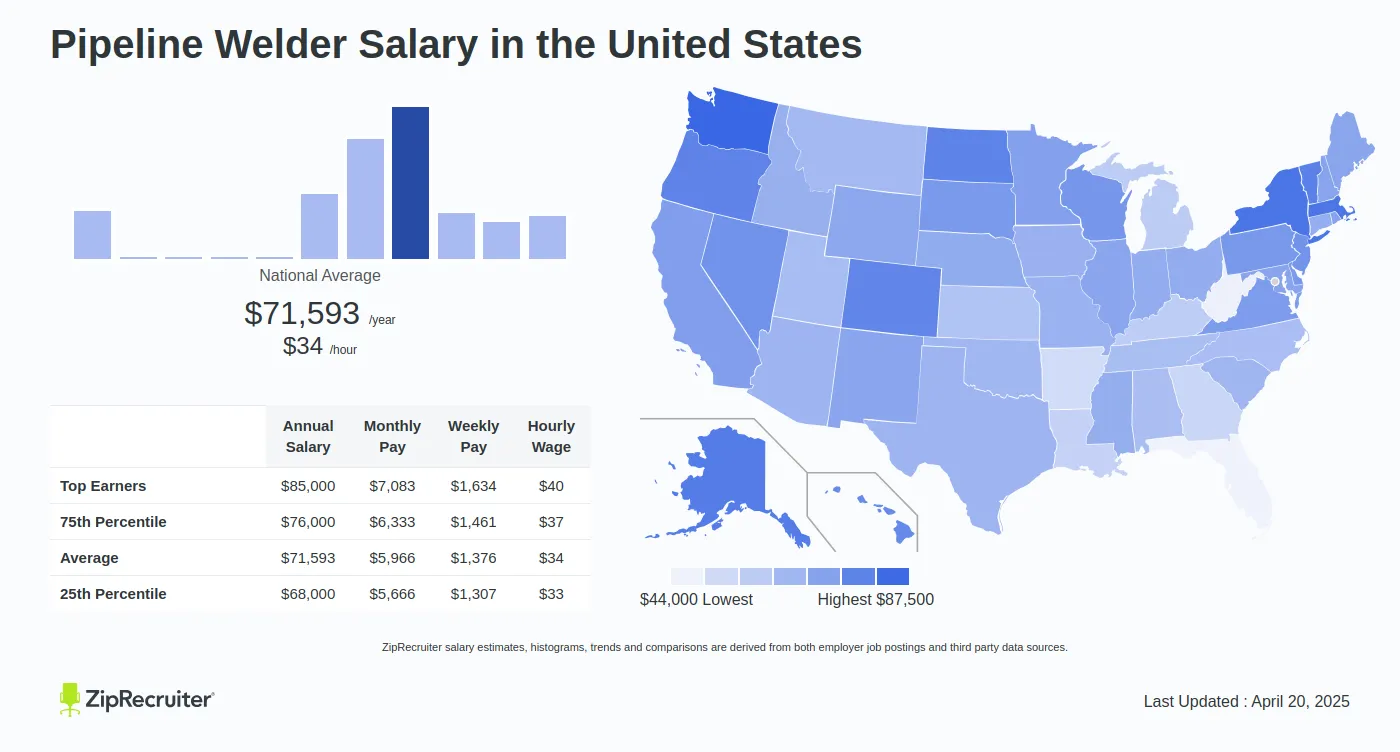
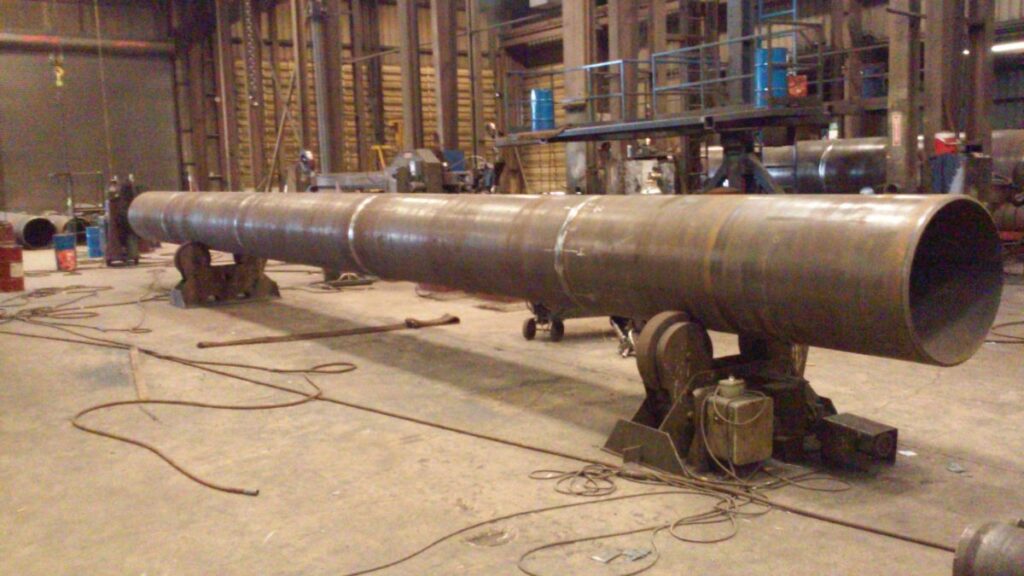
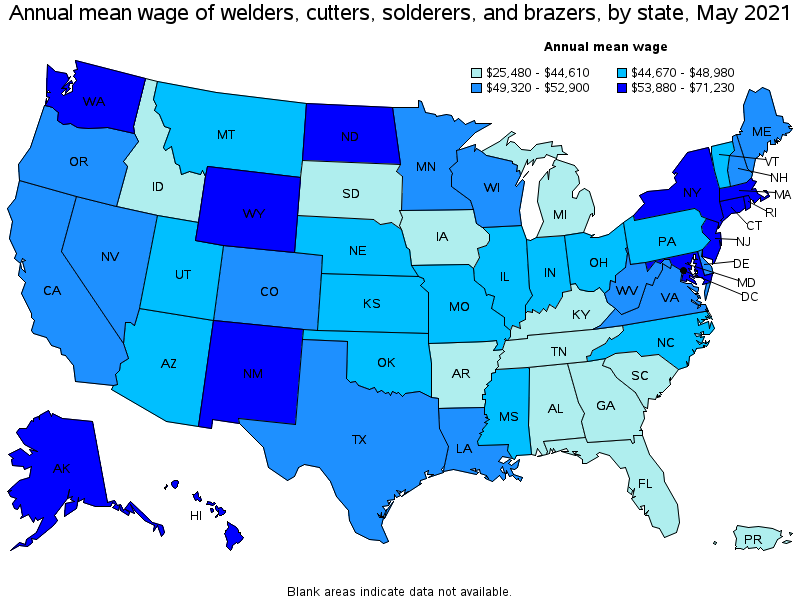
How Much Does A Pipeline Welder Make In Texas
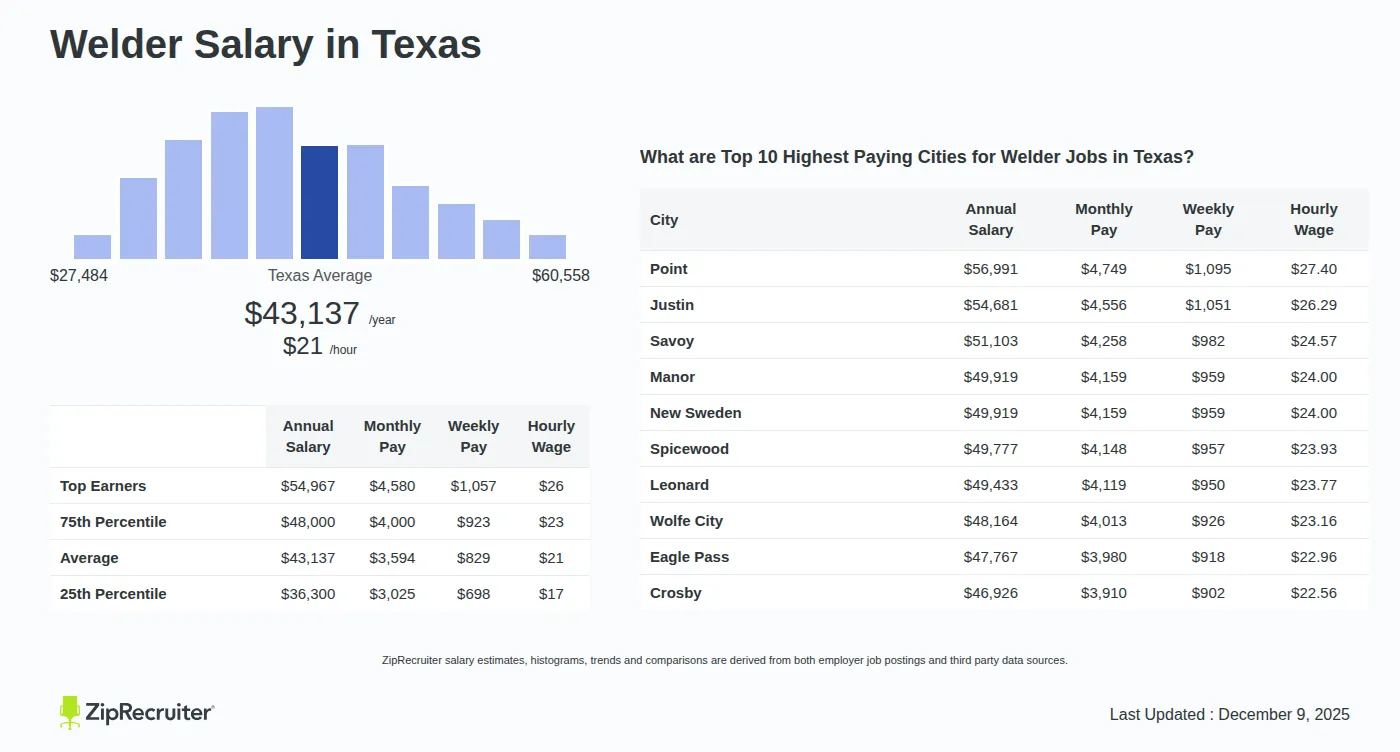
Forget oil paintings and marble busts, let's talk about a different kind of art forged in fire and grit: pipeline welding! You might not think of it as traditionally creative, but in Texas, it's a skill that can build a very, very attractive future. And while we're not suggesting you quit your day job to sculpt with molten metal, understanding the earning potential of a pipeline welder in Texas is like glimpsing a secret world of blue-collar opportunity.
Okay, so maybe artists aren't lining up to lay down welds on pipelines (though wouldn't that be a performance piece!). But think about the underlying principles. It's all about precision, control, and creating something strong and lasting. Even for hobbyists or those just curious about the trades, knowing that such a valuable skill exists is inspiring. It showcases the power of technical expertise and its real-world impact.
So, how much does a pipeline welder make in Texas? The answer, as with any skilled trade, is that it varies. A lot. Factors like experience, location, the specific company, and the type of pipeline they're working on all play a significant role. But generally speaking, we're talking about a potentially lucrative career. Entry-level welders will naturally earn less, perhaps starting in the $40,000-$50,000 range. However, seasoned pipeline welders, especially those with specialized certifications and years of experience under their belts, can easily crack six figures – we're talking upwards of $70,000, $80,000, even $100,000 or more per year. Plus, consider potential overtime – which is common in the pipeline industry – and the picture gets even brighter.
Must Read
Thinking of dipping your toes in the welding pool? While pipeline welding requires specialized training and certification (don't try this at home without the proper equipment and guidance!), you can explore introductory welding techniques. Many community colleges and vocational schools offer courses. Start with basic arc welding, practice your bead control, and understand the different types of metals. Safety is paramount, so always wear appropriate protective gear, including a welding helmet, gloves, and protective clothing. YouTube is also a treasure trove of tutorials, but always prioritize hands-on learning from qualified instructors.
While you might not be building pipelines tomorrow, understanding the earning potential of this essential trade is empowering. It reminds us that fulfilling, well-compensated careers aren't always found in traditional office settings. It highlights the value of skilled labor and the importance of investing in technical education. And who knows, maybe you'll discover a hidden passion for the art of welding! Remember, even the most complex structures start with a single, perfectly placed weld. It's all about building something strong, one bead at a time.