
How Much Does A Oil Filled Radiator Cost To Run
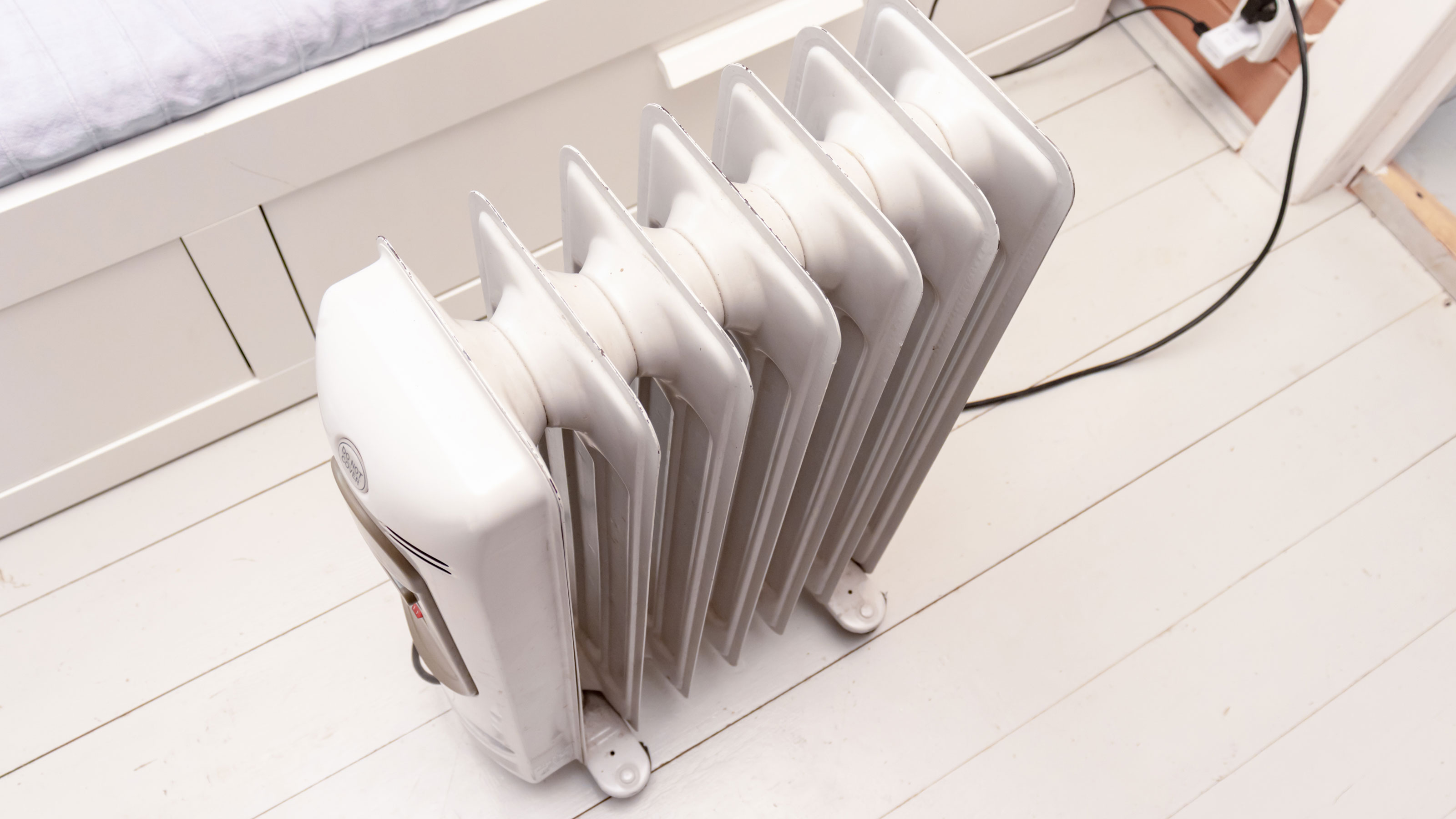
Hey everyone! Ever wondered about those cozy oil-filled radiators? They seem so...chill. Like a silent, radiating guardian against the winter blues. But the big question is: how much are these things really costing us to run? Let's dive in and unravel this electrifying mystery!
First off, let's ditch the technical jargon and talk real-world. We're not aiming for a physics degree here, just a cozy understanding of our energy bills. Are oil-filled radiators secret energy vampires, or budget-friendly buddies? Time to find out!
Understanding the Wattage Game
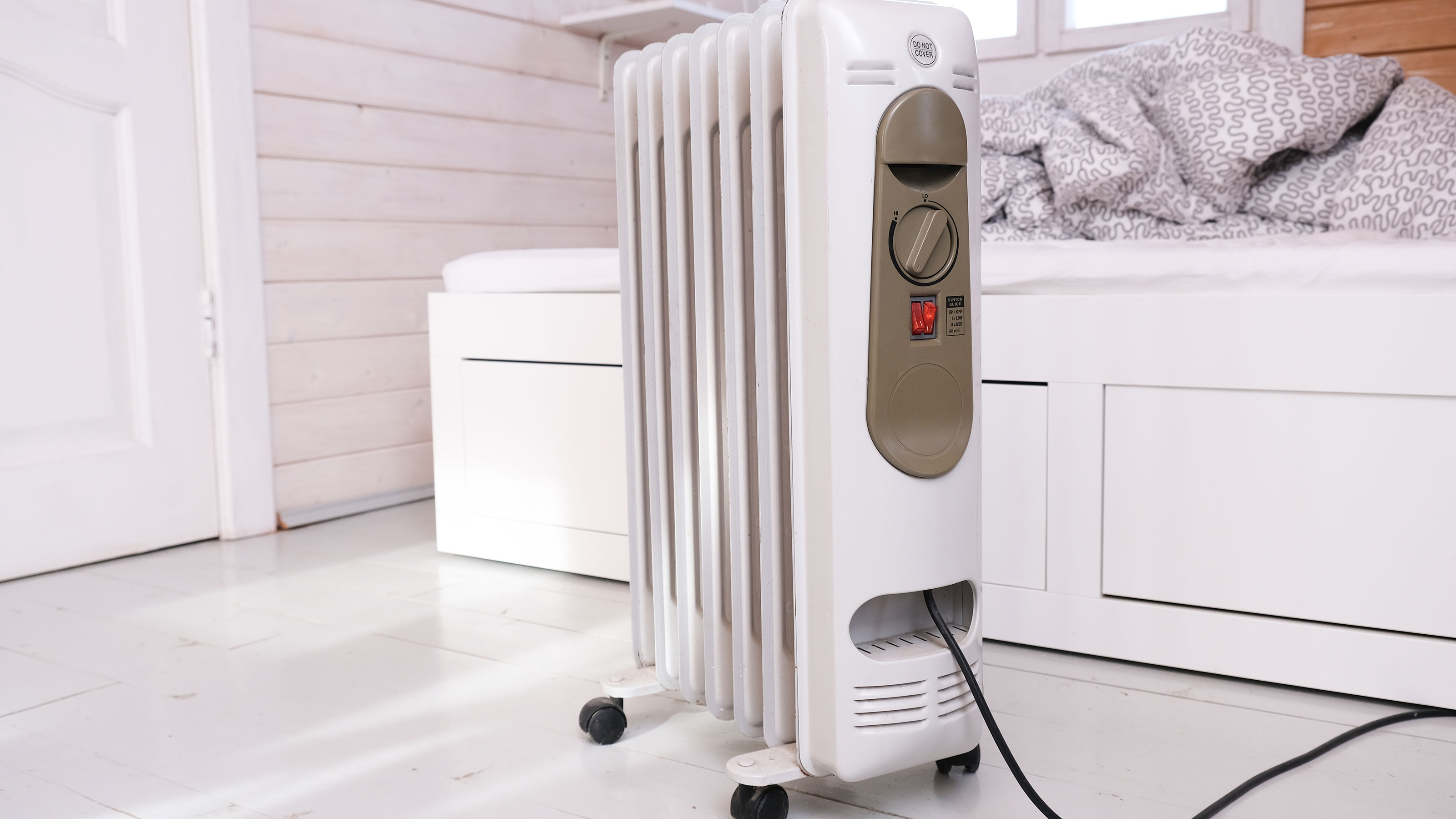
Okay, so every oil-filled radiator has a wattage rating. Think of wattage like the radiator's appetite for electricity. The higher the wattage, the more electricity it could potentially gobble up. Common wattage ranges are anywhere from 700W to 2500W. But does that mean a 2500W radiator will always cost twice as much to run as a 1250W one? Not necessarily!
Must Read
Why? Because these radiators have thermostats! They're not just blasting out heat non-stop. They cycle on and off to maintain your desired temperature. It's like cruise control for warmth. So, a higher wattage radiator might heat a room faster, but then it'll switch off sooner, potentially using a similar amount of energy over time as a lower wattage one chugging along continuously. Mind. Blown.
The Cost Per Hour Breakdown (The Fun Part!)
Alright, let's get down to brass tacks. How do we figure out how much this radiating goodness is actually costing us? The magic formula involves a little bit of math, but don't worry, it's painless. Promise!
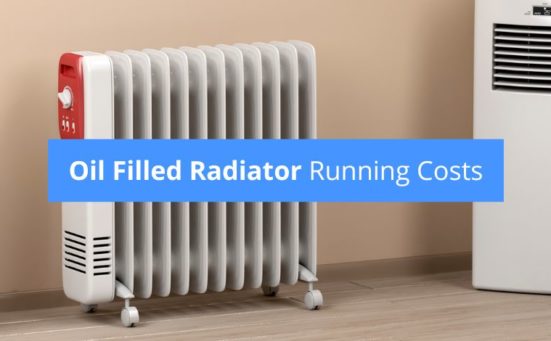
Here's the breakdown:
- Find your electricity rate: Look at your electricity bill. You're looking for a cost per kilowatt-hour (kWh). It might be something like $0.15 per kWh (prices vary wildly depending on where you live, so this is just an example!).
- Convert wattage to kilowatts: Remember that wattage rating on your radiator? Divide it by 1000 to get kilowatts. So, a 1500W radiator is 1.5 kW.
- Multiply! Multiply the kilowatt rating by your electricity rate. So, 1.5 kW * $0.15/kWh = $0.225 per hour.
Boom! That means, in this example, that 1500W radiator is costing you about 22.5 cents per hour to run when it's actively heating. Remember, it cycles on and off, so that's not a constant cost.
Think of it this way: 22.5 cents per hour is like... less than the cost of a single gumball from those old-school machines. Pretty reasonable, right?
Factors That Influence the Cost
Okay, so we've got a baseline cost. But several things can affect how much your oil-filled radiator actually drains your wallet. Think of these as wild cards in the energy game.
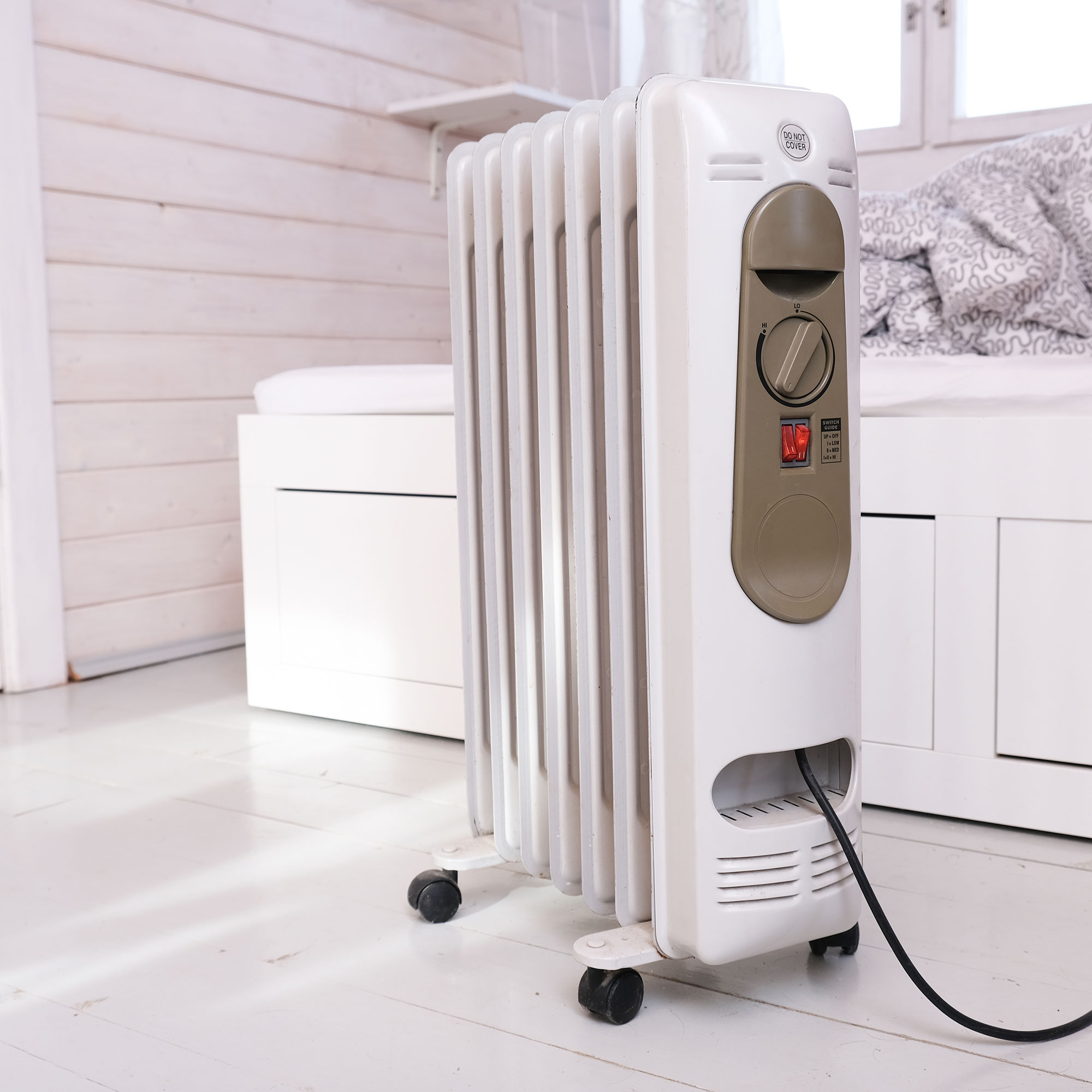
- Room size: A tiny bathroom will heat up way faster than a drafty living room. The smaller the space, the less the radiator needs to work, and the less energy it uses.
- Insulation: Got decent insulation? Awesome! Your radiator won't have to work as hard to maintain the temperature. Poor insulation? Expect higher running costs. It’s like trying to fill a bucket with a hole in it.
- Thermostat settings: Cranking the thermostat up to "tropical paradise" mode will definitely cost you more than keeping it at a reasonable "cozy comfort" level. Be mindful of the temperature you're setting.
- Usage duration: Leaving the radiator on 24/7 will obviously cost more than using it for a few hours each evening. Be smart about when and how long you run it.
Oil-Filled Radiators vs. The Competition
So, how do oil-filled radiators stack up against other heating options? Well, they're generally considered more energy-efficient than space heaters that use fans to blow hot air. Why? Because they radiate heat, which warms objects and people directly, rather than just heating the air, which can quickly dissipate.
Compared to central heating, they can be a good option for heating a single room without firing up the entire system. It's like using a spotlight instead of illuminating the whole stadium. More focused, more efficient...potentially.

The Verdict: Are They Worth It?
Ultimately, whether an oil-filled radiator is a cost-effective choice depends on your specific circumstances. But here's the lowdown:
- They're relatively inexpensive to buy.
- They're portable and easy to use.
- They provide consistent, radiant heat.
- They're generally safer than space heaters with exposed heating elements.
If you need to heat a single room efficiently and safely, an oil-filled radiator can be a great option. Just be mindful of your usage habits and thermostat settings. And remember, a little math goes a long way in understanding your energy consumption.
So, go forth and conquer the cold! Armed with this knowledge, you can make informed decisions about your heating options and keep those energy bills in check. Stay warm, friends!