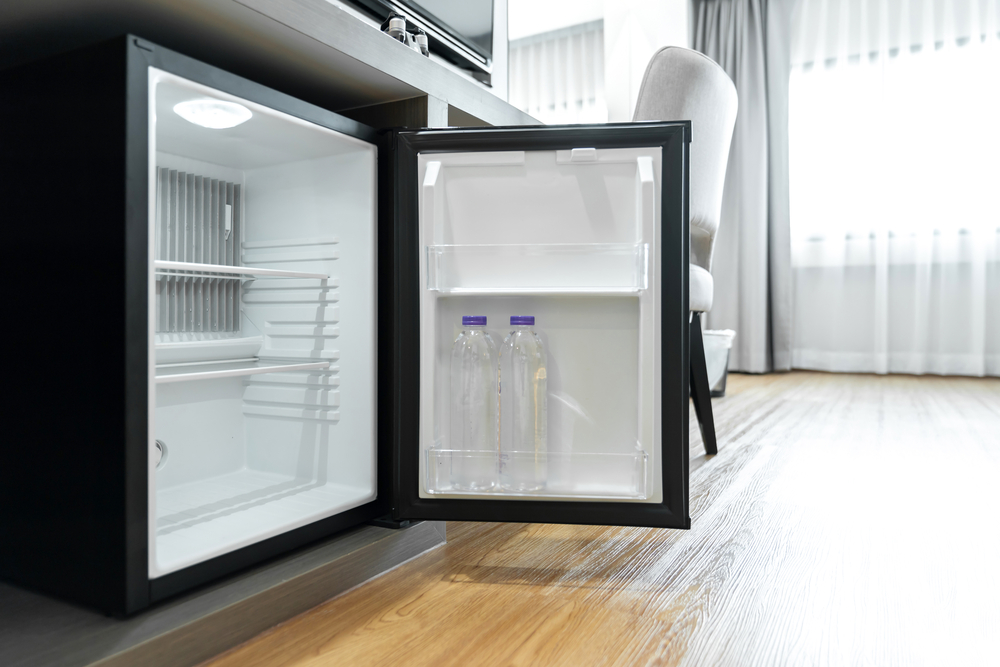
How Much Does A Mini Fridge Add To Electric Bill

Okay, let's talk mini fridges and that looming monster under the bed...your electric bill! Are you picturing your precious stash of cold drinks single-handedly bankrupting you? Fear not, friend! We're about to break down exactly how much that adorable little appliance is actually adding to your energy costs.
The Tiny Titan: How Much Juice Does It Really Use?
First things first, mini fridges aren't exactly energy guzzlers. Think of them as little sips compared to your full-sized fridge's gulp. We're not talking about a black hole of electricity here! The energy consumption of a mini fridge depends on a few things:
- Size Matters (Sort Of): A larger mini fridge will naturally use a bit more energy than a teeny-tiny one. But even the biggest mini fridge is still small potatoes compared to its full-sized cousin.
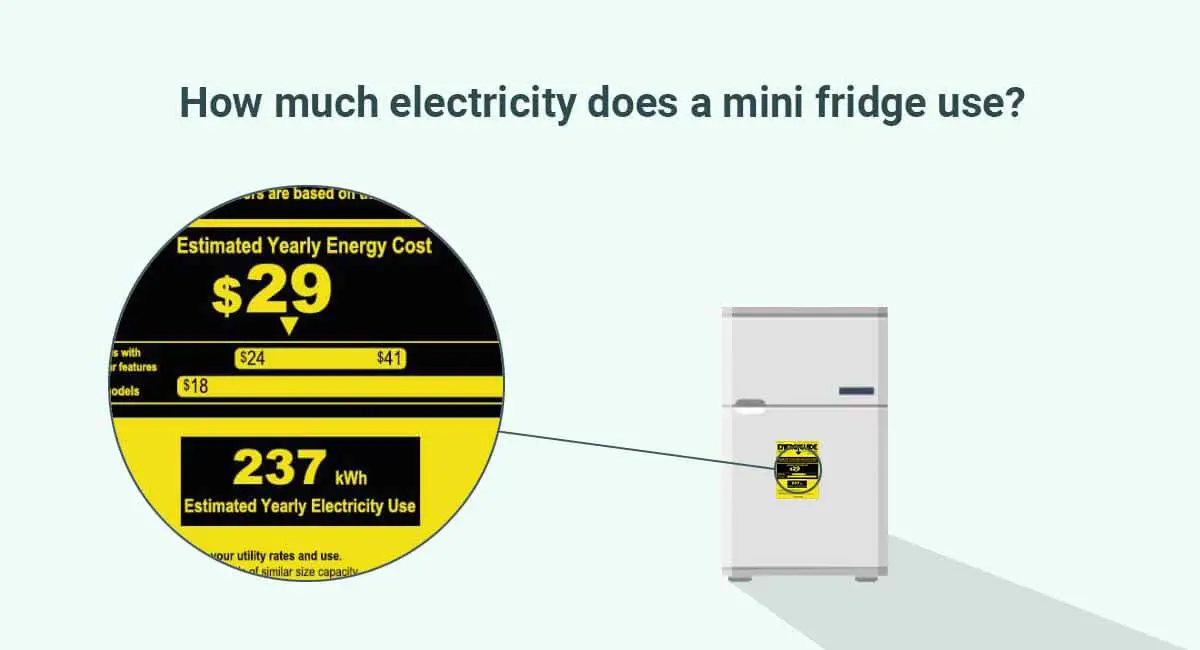
- Energy Efficiency: This is the big one! Look for the Energy Star label! These little superheroes are designed to save you money. An Energy Star-certified mini fridge will always be more efficient than a non-certified one. It's like the difference between a marathon runner and someone who prefers the couch (no judgement!).
- Your Usage: Are you constantly opening and closing the door to grab that perfectly chilled soda? Or do you let it sit undisturbed, a silent guardian of your snacks? Frequent door openings let cold air escape, forcing the fridge to work harder.
- Temperature Setting: Freezing your drinks solid? Probably using more energy than you need. Find that sweet spot where everything's chilled, but not bordering on ice-age conditions.
So, what's the ballpark figure? Let's get down to brass tacks. Most mini fridges use somewhere between 50 to 150 watts. To figure out the daily cost, we need to do a little (and I mean LITTLE) bit of math. Don't worry, I promise it won't require calculus!
Must Read
The Super-Simple Calculation (No Calculator Required...Mostly)
Okay, imagine your mini fridge uses 100 watts. Here's how we figure out the cost:
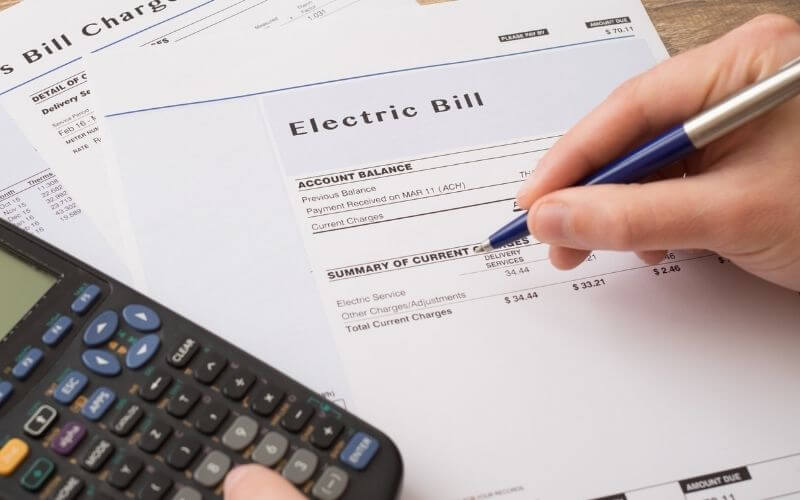
- Convert Watts to Kilowatts: Divide the wattage by 1000. So, 100 watts / 1000 = 0.1 kilowatts (kW).
- Figure Out Daily Usage: Multiply the kilowatts by the number of hours the fridge runs per day. Let's assume it runs for 12 hours a day (it won't run constantly, but this is a good average). So, 0.1 kW x 12 hours = 1.2 kilowatt-hours (kWh).
- Check Your Electricity Rate: Look at your electric bill to find your cost per kWh. This varies depending on where you live, but let's say it's $0.15 per kWh.
- Calculate Daily Cost: Multiply the daily kWh usage by your electricity rate. So, 1.2 kWh x $0.15 = $0.18 per day.
Ta-da! Your mini fridge is likely costing you around 18 cents a day. That's less than a gumball! Okay, maybe a fancy gumball, but still! Over a month, that's roughly $5.40. So, you can keep enjoying those chilled beverages without feeling like you're funding a small nation's energy needs.
The Bottom Line: Don't Sweat the Small Stuff (Especially When It's Cold)
The truth is, your mini fridge probably isn't making a huge dent in your electric bill. You're likely spending more on streaming services, your phone, or that one kitchen appliance you swore you'd use every day but now just sits on the counter collecting dust.
Investing in an Energy Star rated model and being mindful of usage habits can further minimize any potential impact.
So, go ahead, enjoy that perfectly chilled can of soda! Your wallet (and the planet) will thank you for being mindful, but don't let the fear of a slightly higher electric bill ruin the simple pleasure of a cold drink on a hot day. After all, isn't that what life's all about?
And hey, if you're really worried about it, you could always just fill it with ice and call it a very fancy, very small cooler. Just kidding! (Mostly).