How Much Does A Electrical Engineer Get Paid
Ever wondered what it takes to power our world, literally? From the intricate circuits in your phone to the massive power grids that keep our cities humming, electrical engineers are the unsung heroes behind it all. And naturally, that kind of essential expertise comes with a price tag. So, let's dive into the fascinating, and often lucrative, world of electrical engineering salaries. Understanding this isn't just about curiosity; it's about career planning, appreciating the value of skilled professionals, and even gaining a better perspective on the cost of the technology we use every day.
Knowing what an electrical engineer earns helps us appreciate the purpose and benefits of pursuing this challenging yet rewarding field. It gives aspiring students a concrete goal to aim for, motivates them to persevere through tough coursework, and helps them make informed decisions about specializations and career paths. For those already in the field, understanding salary trends can inform negotiation strategies and highlight opportunities for advancement. More broadly, appreciating the economic value of electrical engineering emphasizes the importance of STEM education and the ongoing need for innovation in the field.
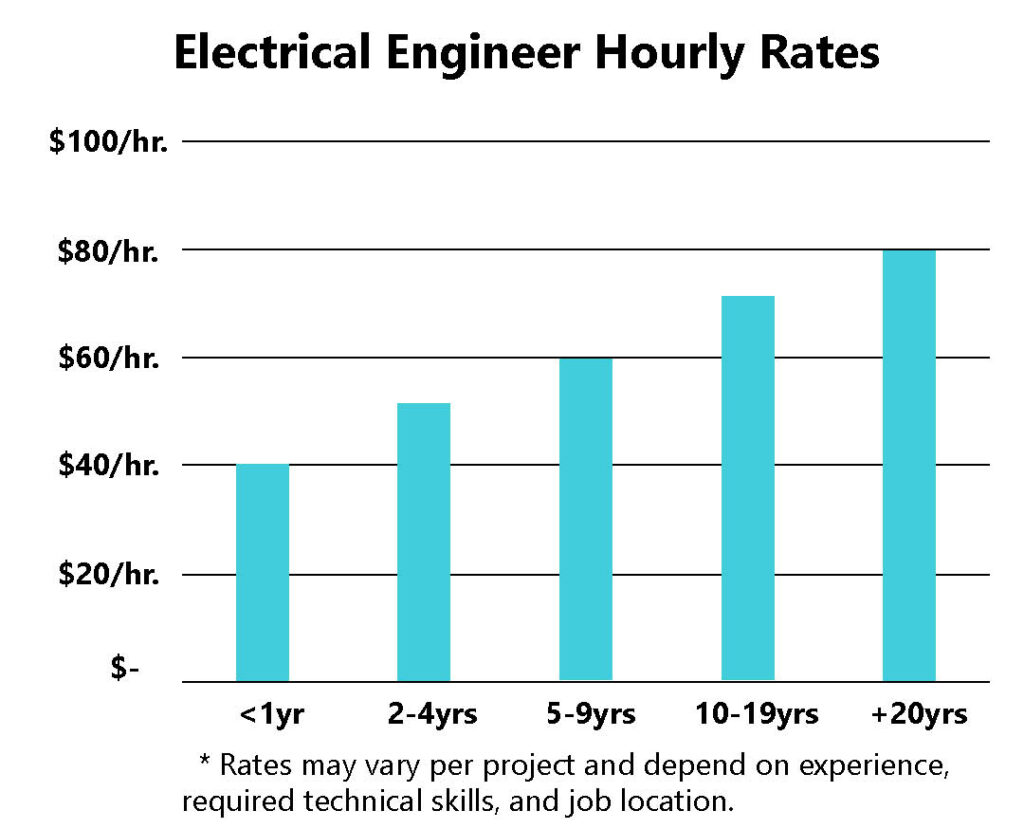
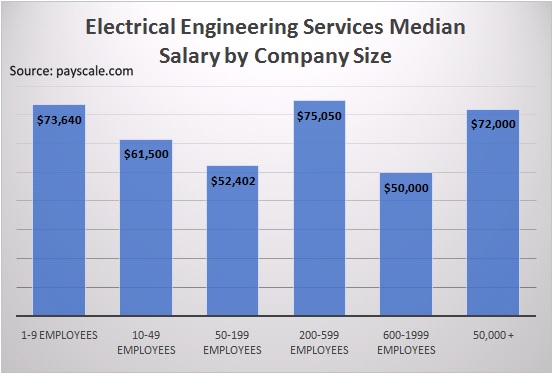
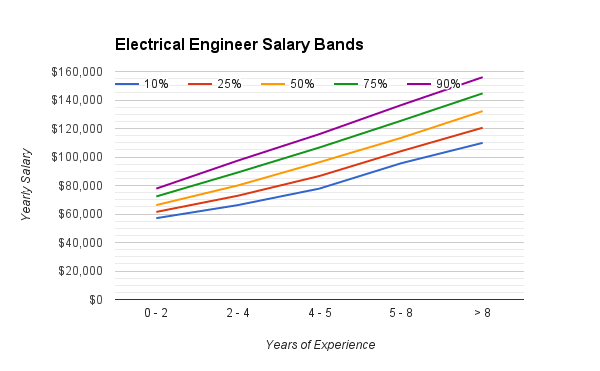
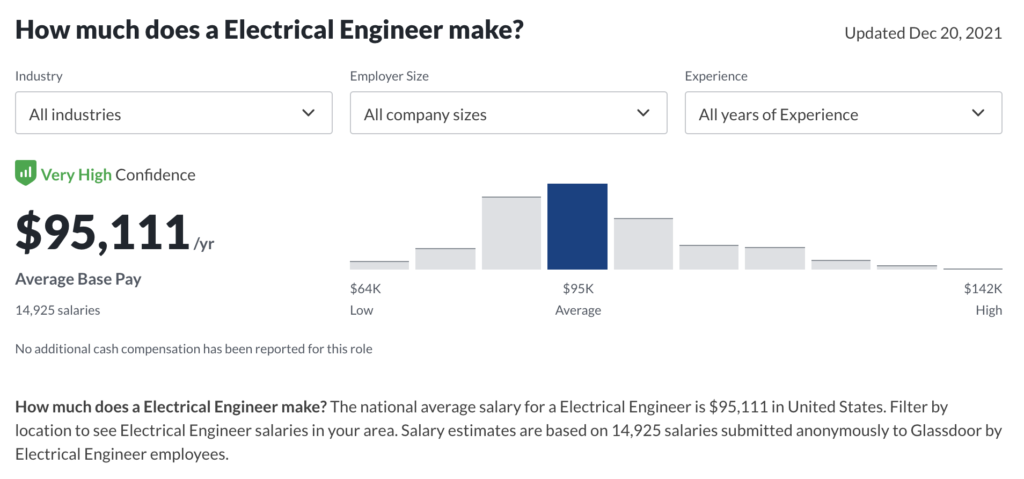
But what exactly does an electrical engineer get paid? The answer, of course, isn't a simple one. Salaries vary wildly based on factors like experience, location, specialization, and the size and type of company. A fresh graduate working in a rural area will likely earn less than a seasoned engineer designing cutting-edge microchips in Silicon Valley. However, let’s paint a broad picture. Entry-level positions can start somewhere in the range of $65,000 to $85,000 per year. With experience and expertise, that number can easily climb well into six figures, reaching upwards of $120,000, $150,000, or even more for senior engineers, project managers, and those in specialized roles.
Must Read
Consider some specific examples. An electrical engineer working on renewable energy projects, like solar power or wind turbine technology, might contribute to designing more efficient energy storage solutions. Their expertise is crucial for combating climate change. Someone designing medical devices, like pacemakers or advanced imaging systems, directly impacts people's health and well-being. And of course, the engineers working on the latest generation of smartphones and computers are literally shaping the future of communication and information technology. All of these roles command different levels of compensation, reflecting the demand and specialized skills required.
So, how can you explore this topic further? A great starting point is online salary comparison websites like Glassdoor or Salary.com. These sites provide a wealth of data on average salaries for different roles, locations, and experience levels. Another practical tip is to network with electrical engineers. Attend industry events, join professional organizations like the IEEE (Institute of Electrical and Electronics Engineers), and connect with engineers on LinkedIn. Informational interviews can provide invaluable insights into the day-to-day realities of the job and the compensation packages offered. Even exploring online forums and communities related to electrical engineering can give you a better understanding of the salary landscape and potential career paths.