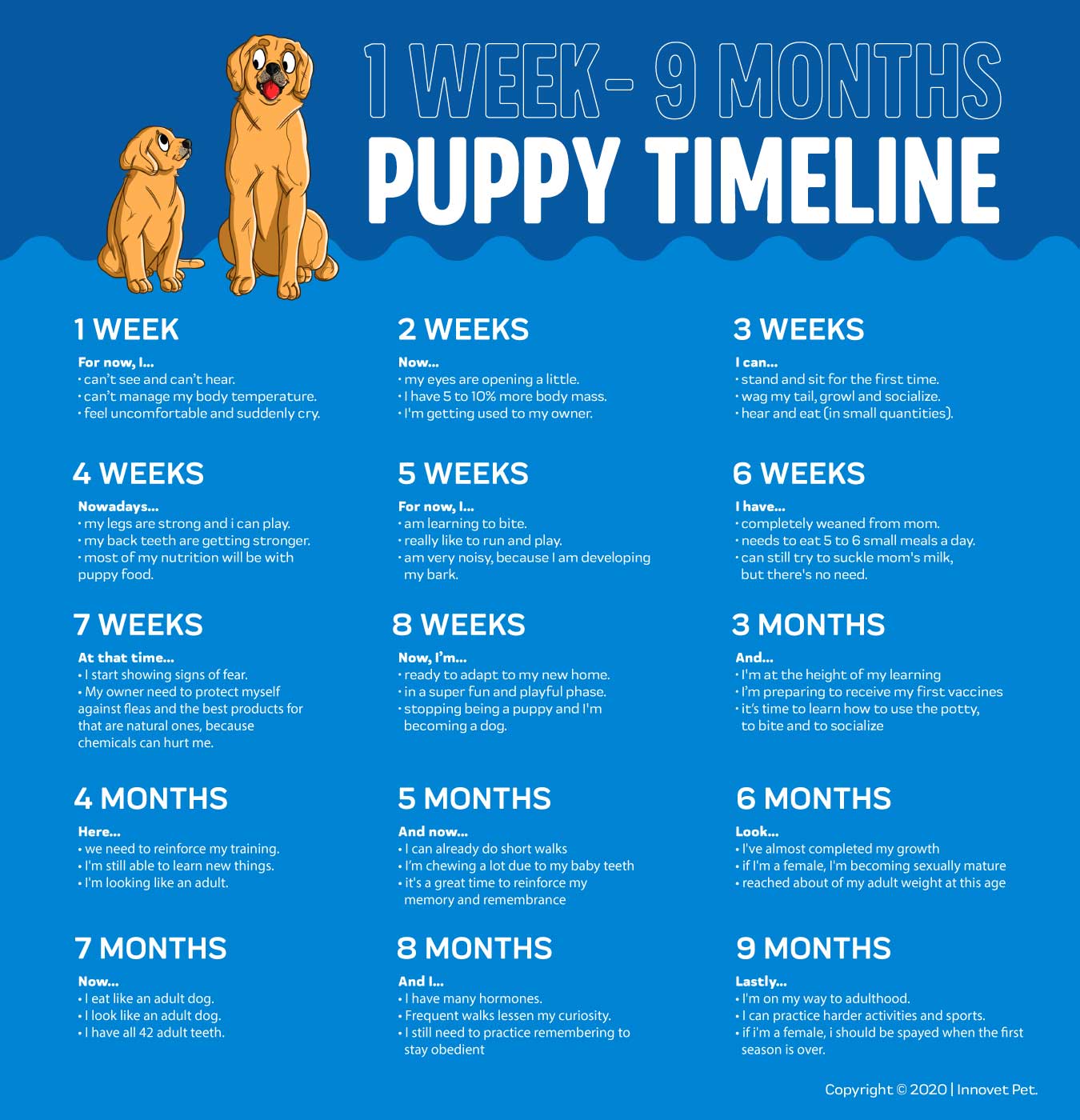
How Much Does A Dog Grow After 6 Months
Ever wondered if your adorable puppy will stay a puppy forever? Or maybe you're adopting a six-month-old dog and are curious about how much more it'll grow? It's a common question and a fascinating one! Understanding canine growth patterns can help you prepare for your dog's needs and anticipate changes in their behavior and even their food requirements. Plus, it's just plain fun to see them blossom into their full-grown selves!
The beauty of knowing about growth after six months lies in its benefits for various dog lovers. For beginners, it provides a realistic expectation of their dog's final size, helping them choose appropriate toys, beds, and even living spaces. Families can use this knowledge to plan for long-term care costs, including food and vet bills. And for dog hobbyists, like those involved in showing or certain dog sports, understanding growth milestones is crucial for training and competition preparation.
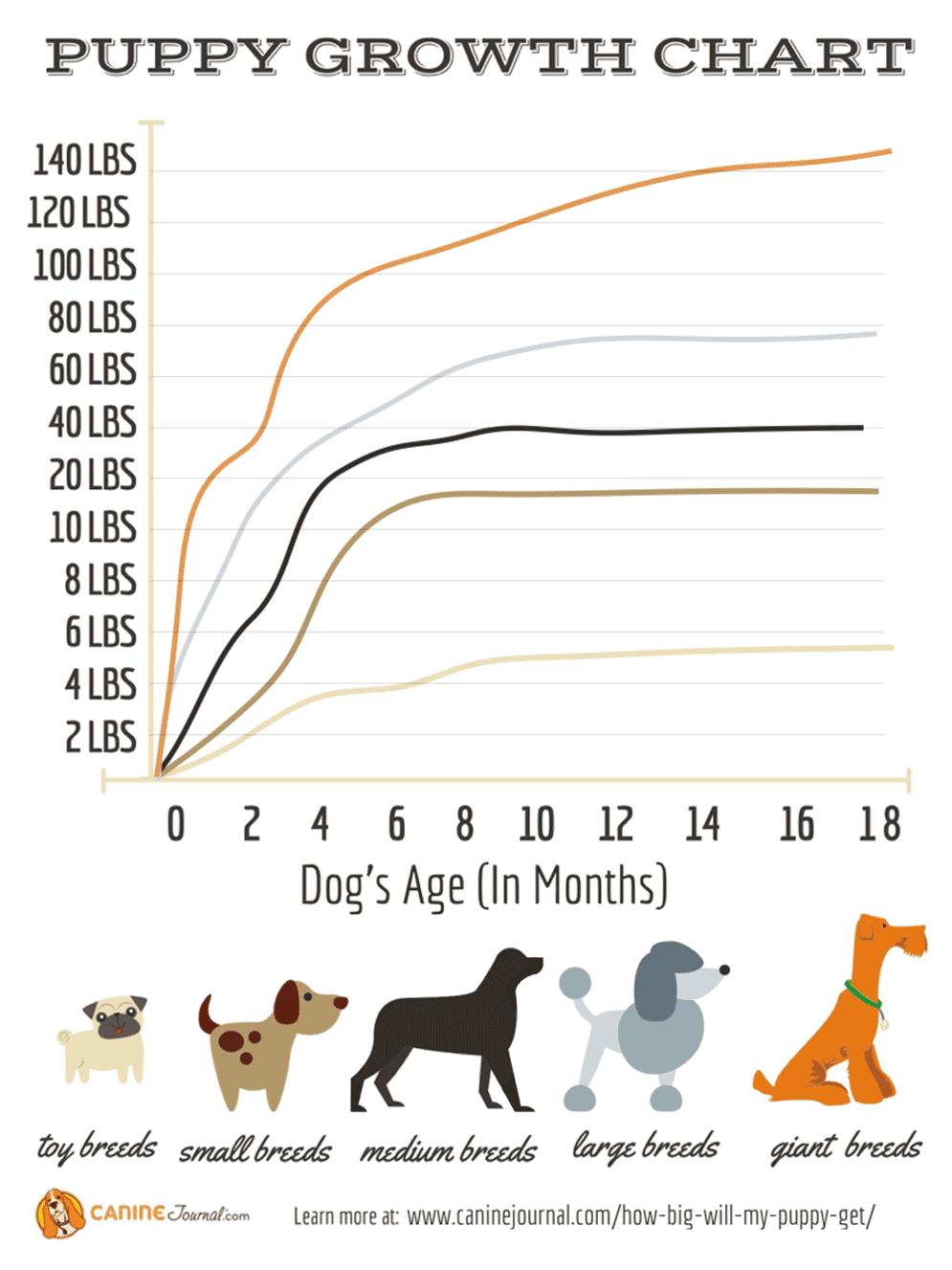
So, how much does a dog grow after six months? The answer, as with most things dog-related, is: it depends! A lot of the answer hinges on breed. Small breeds, like Chihuahuas and Yorkshire Terriers, often reach their full height and weight by around 6-9 months. This means they might only gain a small amount of weight or muscle mass after the six-month mark. Medium breeds, such as Beagles and Border Collies, might continue to grow taller and fill out until they are around 12-18 months old. Large and giant breeds, like Great Danes and Saint Bernards, are the slow growers. They can continue to grow significantly in both height and weight until they are 18-24 months old, sometimes even longer!
Must Read
Another factor influencing growth is nutrition. A balanced diet, especially during the critical growth period, is essential for healthy bone and muscle development. Overfeeding can lead to rapid growth, which, in large breeds, can increase the risk of joint problems later in life. Underfeeding, on the other hand, can stunt growth and lead to other health issues. Consult your veterinarian about the best food and feeding schedule for your dog's breed and age.
Here are a few simple, practical tips to help you monitor your dog's growth after six months:
- Regular Weigh-Ins: Keep track of your dog's weight using a home scale or visit your vet's office.
- Observe Body Condition: Can you easily feel your dog's ribs without excessive fat covering them? This is a good indicator of a healthy weight.
- Compare to Breed Standards: Research the typical size and weight range for your dog's breed.
- Consult Your Vet: Your vet can provide personalized advice based on your dog's individual needs and breed.
Ultimately, understanding how much your dog will grow after six months isn't just about numbers and measurements. It's about building a stronger bond with your furry friend by anticipating their needs and providing the best possible care throughout their life. So, enjoy the journey, cherish the puppy moments (even if they do eventually become big dog moments!), and celebrate every milestone along the way. Knowing what to expect makes the entire experience even more rewarding.