How Much Does 1 Kilowatt Hour Of Electricity Cost
Ever wonder how much it really costs to binge-watch your favorite show, keep your fridge humming, or power up that gaming rig? We're talking about electricity, and specifically, the cost of a kilowatt-hour (kWh). Now, before your eyes glaze over, stick with me! Understanding kWh and their cost is like unlocking a secret superpower – the power to control your energy bill and make smarter choices about how you use electricity. It’s surprisingly fun and incredibly useful. Let’s dive in!
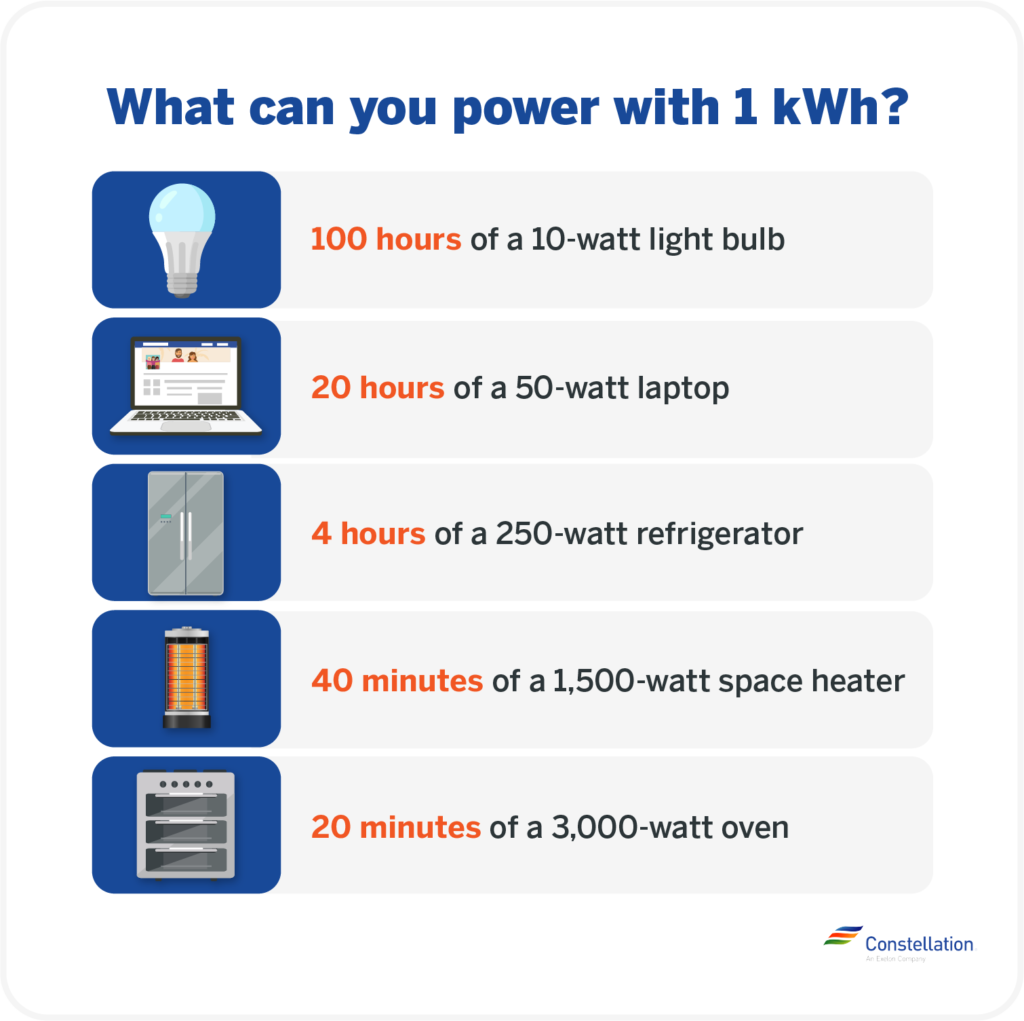
Think of a kilowatt-hour as a unit of energy, like a gallon of gas for your car, but for your electricity. It’s the amount of energy you use when you power a 1,000-watt appliance (like a hairdryer or a microwave on high) for one hour. So, the purpose of understanding kWh is simple: to know how much energy your devices are using and, crucially, how much that energy is costing you.
So, how much does a kWh cost? The answer, unfortunately, isn't a simple one-size-fits-all number. It varies depending on a few key factors:
Must Read
Location, Location, Location! Your geographical location plays a huge role. Some states have access to cheaper energy sources (like hydroelectric power), while others rely on more expensive fuels. States with higher populations and greater energy demand tend to have pricier electricity too. To find the average cost in your state, a quick Google search for "[Your State] average kWh cost" should do the trick. The U.S. Energy Information Administration (EIA) is also a fantastic resource.
Time of Use: Some utility companies offer time-of-use pricing. This means electricity costs more during peak hours (when everyone's using it, like in the evenings) and less during off-peak hours (like overnight). If you can shift your energy usage – running the dishwasher or doing laundry at night, for example – you can save a bundle.
Your Energy Provider: In some areas, you have a choice of energy providers. Shop around! Different companies may offer different rates and plans. Look carefully at the fine print, paying attention to any hidden fees or variable rates.
What's the Benefit of Knowing All This? Knowing the cost of a kWh empowers you to make informed decisions. Suddenly, that always-on desktop computer might seem a bit less appealing. You might start switching to energy-efficient LED light bulbs. You might even become a power-saving pro, unplugging chargers when they're not in use and turning off lights when you leave a room. All those small changes add up, making a noticeable difference on your monthly bill and helping the environment.
.png)
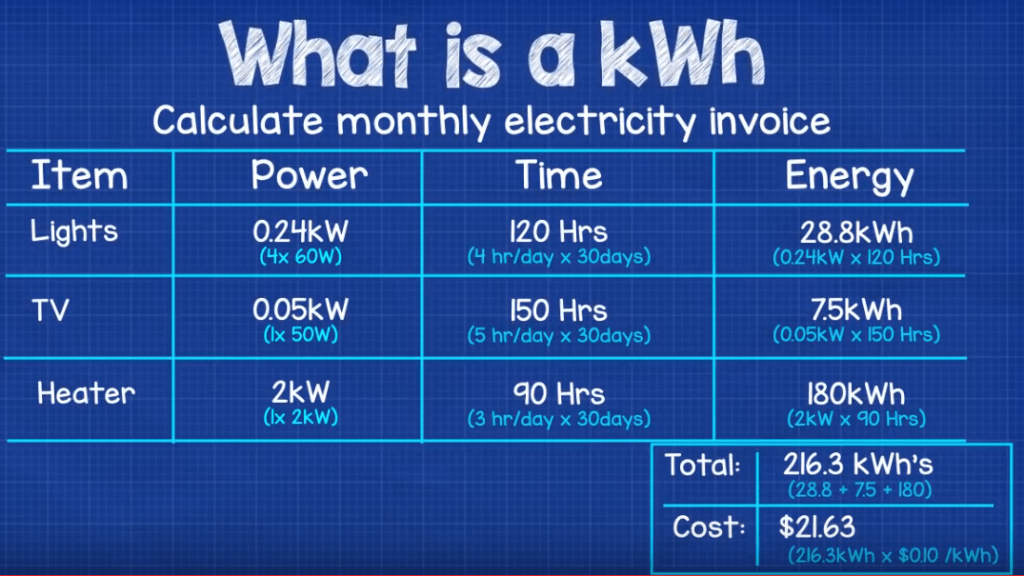
Calculating the cost of running an appliance is straightforward once you know the wattage and your kWh price. Let's say your toaster uses 1200 watts (1.2 kilowatts) and your kWh costs $0.15. Using the toaster for one hour would cost you 1.2 kWh * $0.15/kWh = $0.18. Of course, you probably don't toast bread for an hour straight, but this illustrates how you can estimate the cost of running any appliance.
So, there you have it! Understanding the cost of a kilowatt-hour isn't just about saving money; it’s about being a more conscious and responsible energy consumer. Embrace your newfound knowledge and start saving today!