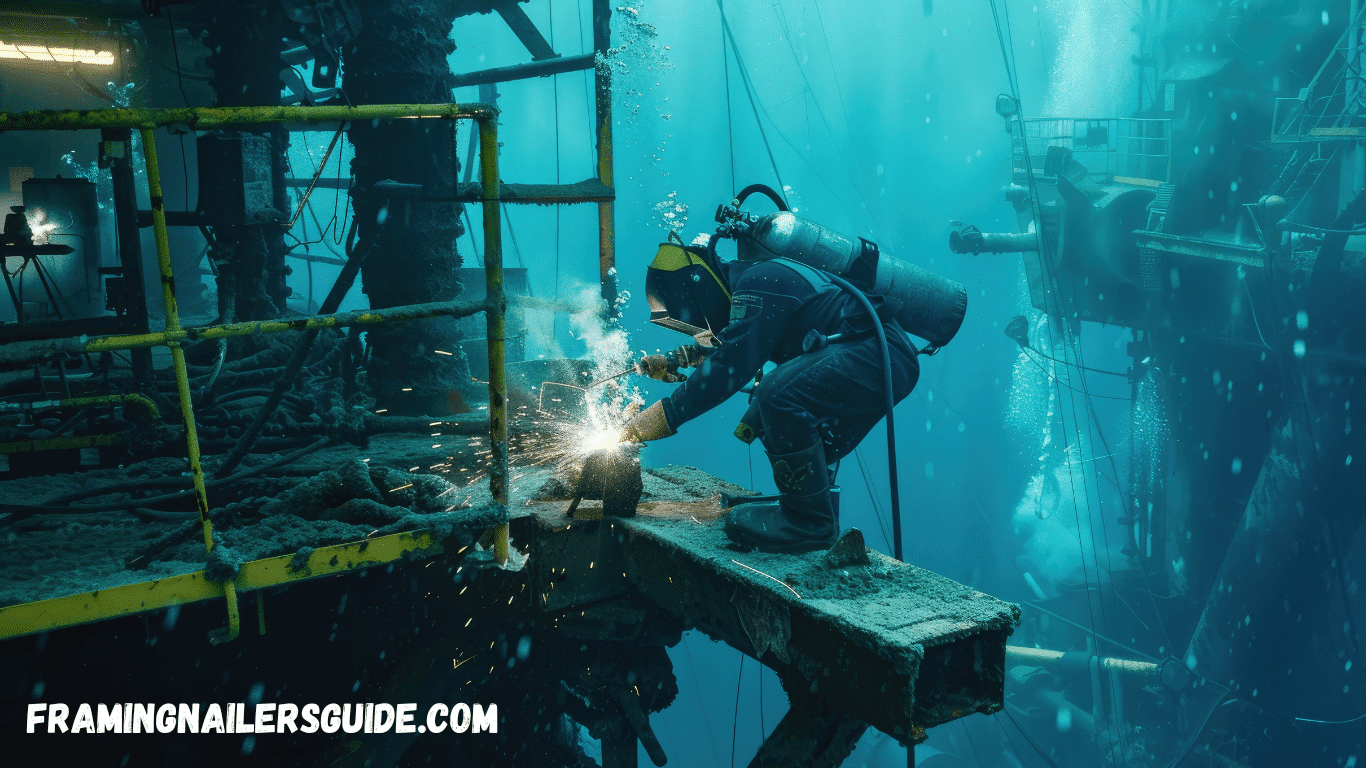
How Much Do Underwater Welders Make In A Year
Let's dive into something a little...unconventional. Have you ever wondered about the folks who weld things underwater? It sounds like something straight out of a science fiction movie, but it's a real, vital profession. And, let's be honest, there's a certain mystique around it, isn't there? Beyond the cool factor, though, there's a very practical question: How much do underwater welders actually make in a year?
Understanding the earning potential of specialized trades like underwater welding is interesting for a few reasons. First, it highlights the value placed on skills that are difficult to acquire and perform. Second, it gives insight into the industries that rely on these skills and the economic forces at play. Finally, it's just plain fascinating! Who wouldn't want to know about a job that combines technical expertise with a hefty dose of underwater adventure?
The purpose of underwater welding is quite straightforward: to repair or construct structures that are submerged. Think about oil rigs out in the ocean, pipelines running across the seabed, or even the hulls of ships that need fixing without being hauled into dry dock. The benefits are significant. It's often far more cost-effective and efficient to repair these structures in situ rather than dismantling them or bringing them to the surface. Imagine the downtime and expense involved in bringing an entire oil rig ashore for repairs! Underwater welding bypasses all that.
Must Read
While underwater welding might not feature directly in most people's daily lives, its impact is widespread. It keeps our oil and gas industries functioning, ensures the structural integrity of underwater infrastructure, and even plays a role in marine research and salvage operations. In education, the principles of underwater welding, which include hyperbaric welding (welding in a pressurized environment) and understanding material science in aquatic conditions, can be incorporated into advanced engineering and vocational training programs. It's a practical application of physics, chemistry, and engineering principles.
So, back to the million-dollar (or perhaps, slightly less than a million-dollar) question: How much do underwater welders earn? The salary range is quite broad, but generally, experienced underwater welders can make anywhere from $50,000 to over $150,000 per year. Several factors influence this, including experience, certifications, location, type of work (e.g., oil rig maintenance versus salvage), and the risks involved in the specific job. Divers working in more hazardous conditions, like deep-sea oil rigs, or requiring specialized certifications, naturally command higher salaries.
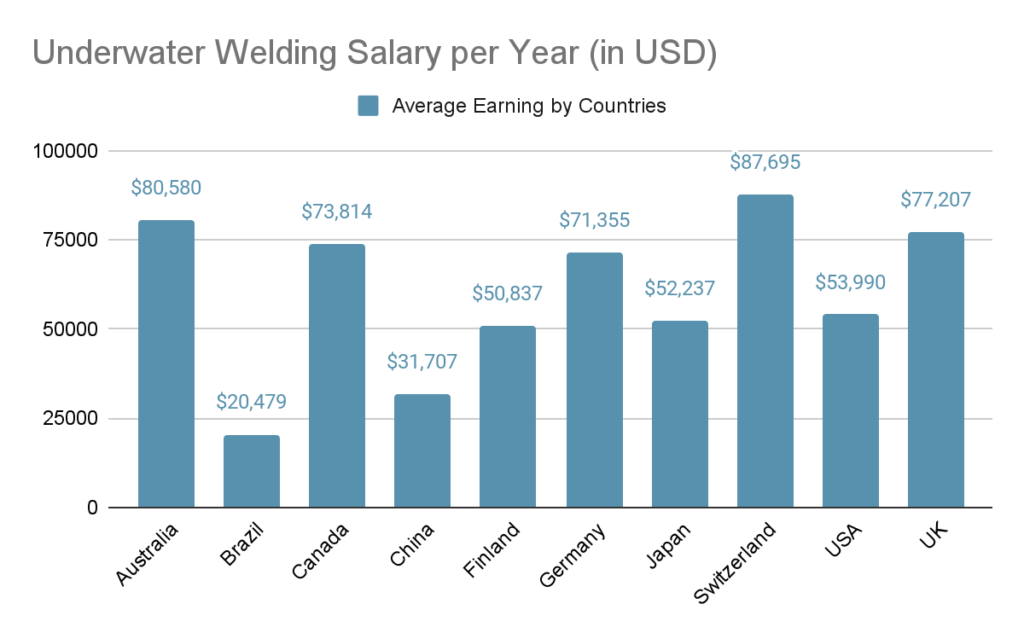
Want to explore this fascinating field further? A simple first step is to watch documentaries or online videos showcasing underwater welding techniques and the daily life of these professionals. Look up maritime engineering programs at universities or vocational schools that offer courses related to underwater construction and repair. Search for professional organizations like the American Welding Society (AWS) that provide information on certifications and training in specialized welding techniques. While you might not be ready to plunge into the depths tomorrow, gaining a foundational understanding is surprisingly accessible!
Ultimately, the world of underwater welding is a testament to human ingenuity and the drive to overcome challenges. It’s a demanding but rewarding profession that offers a unique blend of technical skill, physical prowess, and a healthy dose of adventure. And yes, the potential to earn a very comfortable living makes it all the more appealing.
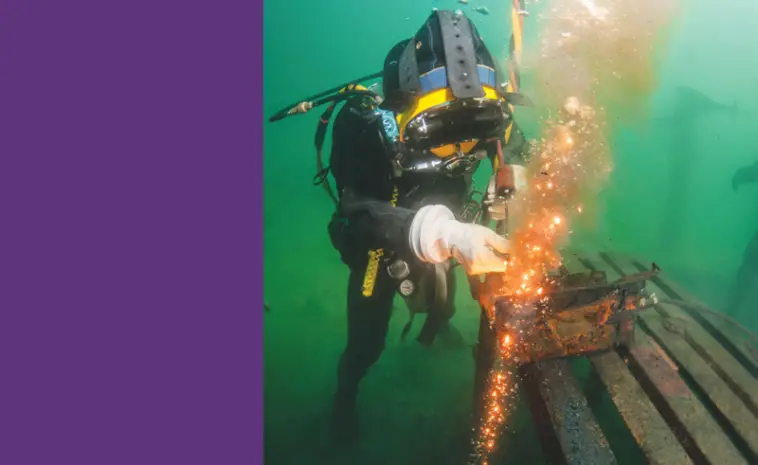
![How Much Do Underwater Welders Make? [Salary Range]](https://weldsmartly.com/wp-content/uploads/2022/04/How-Much-Do-Underwater-Welders-Make.jpg)