
How Much Do Electric Car Charging Stations Cost
Alright, settle in, folks! Grab your lattes (soy if you're feeling eco-friendly, naturally), because we’re about to dive into the wild, wonderful, and sometimes wallet-weeping world of electric car charging station costs. Think of this as your friendly neighborhood guide, minus the creepy trench coat and cryptic riddles.
So, you’ve finally taken the plunge and joined the electric revolution? Congratulations! You're saving the planet, looking stylish, and probably getting smug looks from your gas-guzzling neighbors. But now comes the big question: how much is this electrifying lifestyle really going to cost you beyond the initial car payment?
Home Sweet Home Charging: Not As Scary As It Sounds (Usually)
Let's start with the most common scenario: charging at home. This is usually the cheapest and most convenient option, unless you live in a yurt with no electrical outlets. Then, uh, good luck!
Must Read
There are basically two levels of home charging:
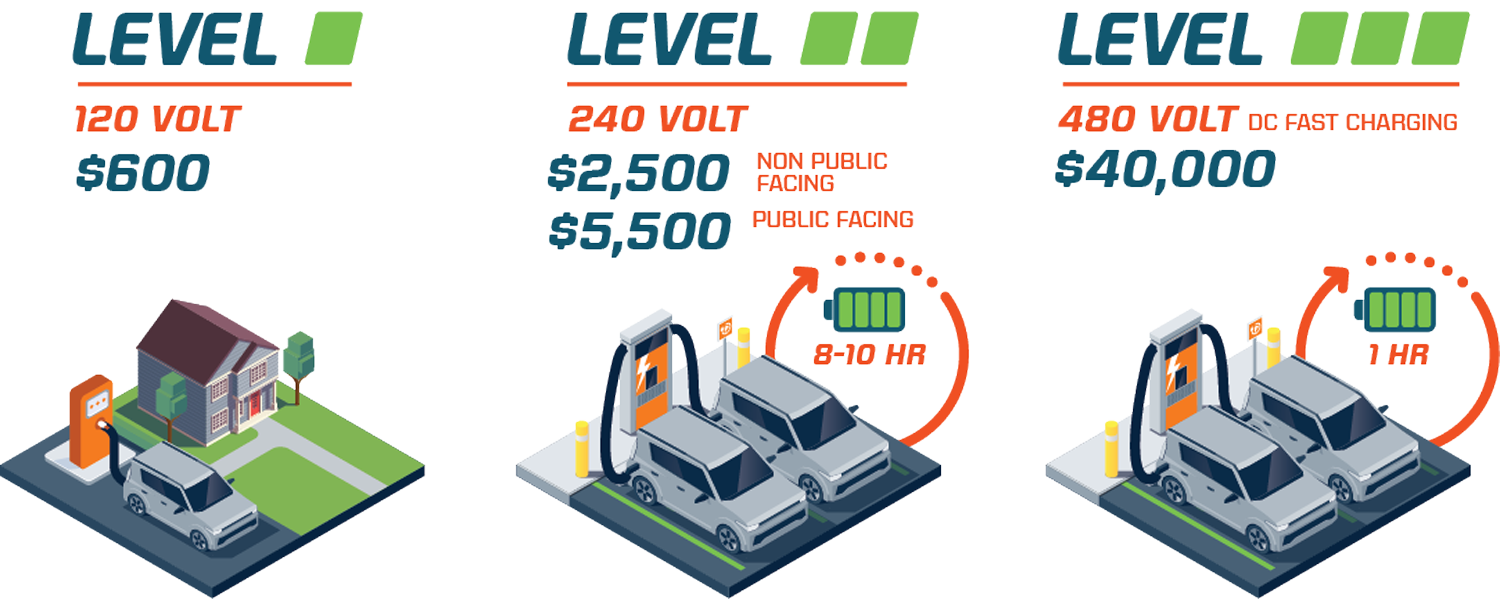
Level 1: This is your standard, everyday 120V outlet. Think of it as the slow-and-steady tortoise of the charging world. It’s like trying to fill an Olympic-sized swimming pool with a garden hose. You can do it, but you’ll probably grow a beard in the process. Cost? Essentially free, assuming you already have an outlet. But don’t expect miracles; you’ll get maybe 3-5 miles of range per hour of charging. Great for topping off, not so great for overnight road trips.
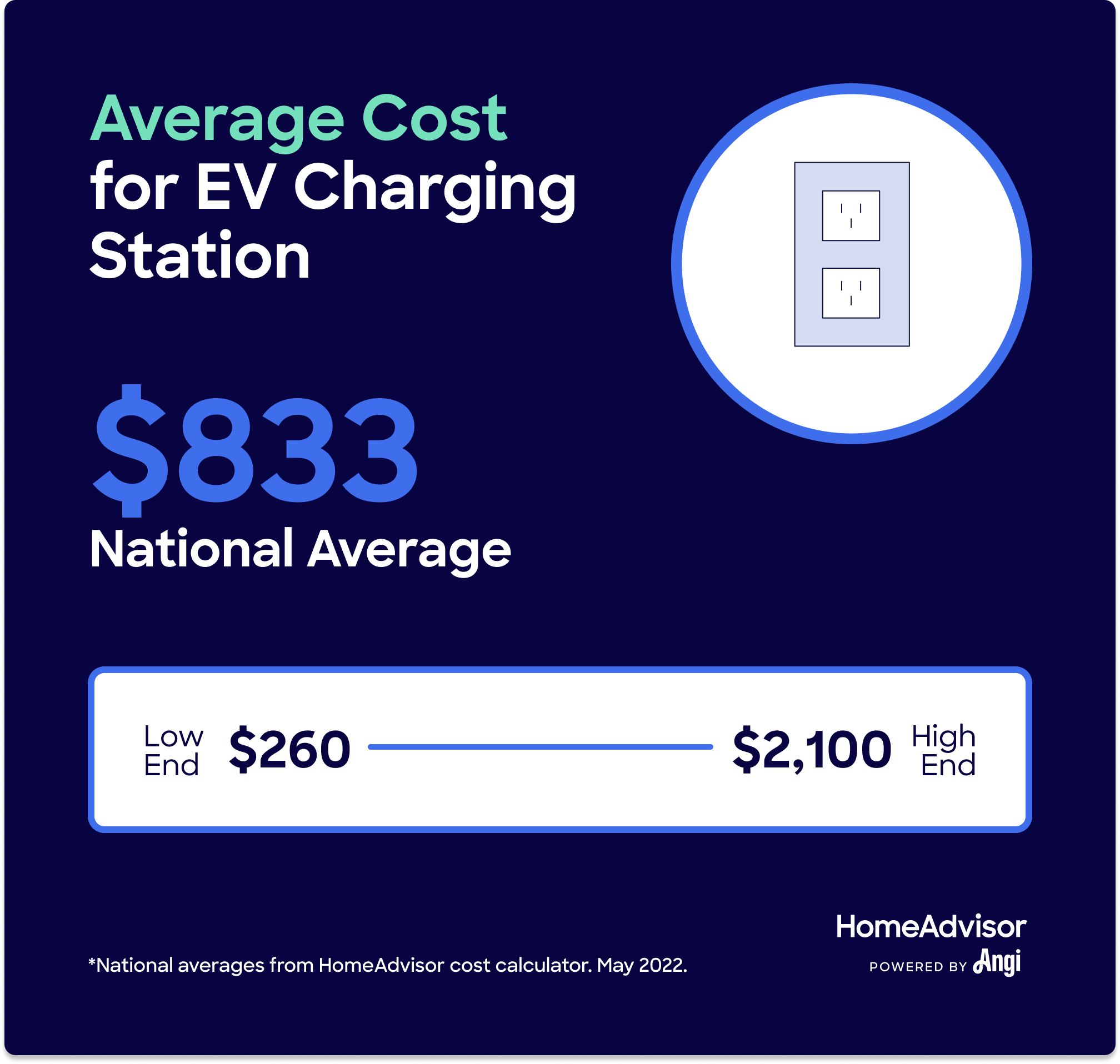
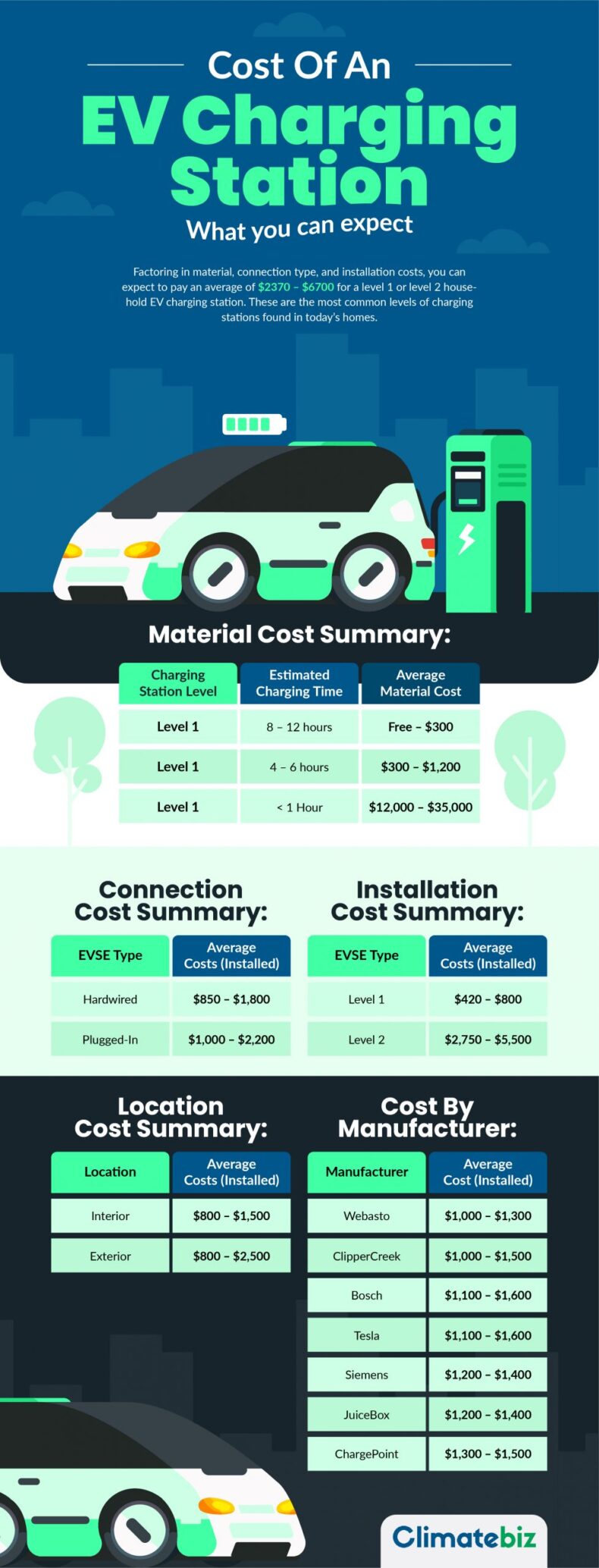
Level 2: This is where things get interesting. We're talking 240V, the same voltage your dryer and oven use. Think of it as the cheetah of charging, but, you know, less furry and more…electrical. This requires a dedicated charging station, which is basically a souped-up outlet with some extra safety features. The cost of the unit itself can range from $300 to $1200, depending on the features and brand. Some even come with fancy apps that let you monitor your charging from your phone! Because who doesn’t want to obsessively watch their car battery fill up?
But wait, there’s more! You'll also need to factor in installation costs. This is where things can get a little tricky. If you're lucky and already have a 240V outlet near your garage, installation might be relatively simple and cost a few hundred dollars. If you need to run new wiring from your electrical panel, brace yourself. We’re talking potentially $500 to $2000+. It’s like hiring a plumber, but instead of fixing leaky pipes, they’re wrangling electricity. Always, always hire a licensed electrician for this. Unless you enjoy the thrill of potential electrocution. (Spoiler alert: you don't.)

So, grand total for Level 2 home charging? Somewhere in the ballpark of $800 to $3200. Ouch. But hey, think of all the money you’ll be saving on gasoline! (Maybe. Depends on how much you drive and how expensive electricity is in your area. Don’t quote me on that.)
Public Charging: Venture into the Wilds
Now, let's venture out into the public charging wilderness. This is where you'll find a variety of options, from free (yay!) to painfully expensive (boo!).
Level 2 Public Charging: Similar to your home Level 2 charger, these are generally slower and cheaper than the fast-charging options. You might find them at workplaces, shopping centers, or even some enlightened gas stations (the irony!). Prices vary, but you're typically looking at $1 to $5 per hour of charging. Think of it as paying for parking, but instead of getting a ticket, you get electrons.
DC Fast Charging (aka Level 3): These are the Usain Bolts of the charging world. They can add significant range in a relatively short amount of time. Perfect for road trips or when you’re running late for that important meeting. (Pro-tip: Don’t schedule important meetings right after running out of battery.) The catch? They're more expensive. Prices vary widely, but you can expect to pay $0.30 to $0.60+ per kilowatt-hour (kWh). This can translate to anywhere from $10 to $30+ for a decent charge. Think of it as buying a fancy coffee instead of a regular one. It’s quicker and more powerful, but your wallet will feel it.

Tesla Superchargers: If you own a Tesla, you get access to the Tesla Supercharger network, which is generally considered to be the gold standard of fast charging. Prices are comparable to other DC fast chargers, but the convenience and reliability are often worth the premium. Plus, you get to hang out with other Tesla owners and silently judge their paint colors.
Hidden Costs and Gotchas (Because There Always Are)
Of course, no discussion of charging costs would be complete without mentioning the hidden costs and gotchas.
- Time-of-Use Rates: Some electricity providers offer lower rates during off-peak hours. Take advantage of these! Set your charger to run overnight and save some serious dough. It’s like happy hour for your car.
- Idle Fees: Some charging networks will charge you extra if you leave your car plugged in after it’s fully charged. Don’t be that person. Nobody likes a charger hog.
- Membership Fees: Some charging networks require a membership fee. Do your research to see if the benefits outweigh the cost. It’s like a gym membership, but for your car. Hopefully, you'll use it more often than you use that gym membership.
- The Cost of Waiting: Let’s face it, public charging can sometimes involve waiting in line. Factor in the value of your time! Is it worth saving a few bucks if you have to spend an hour twiddling your thumbs? Maybe bring a good book. Or learn to knit.
So, how much does it really cost to charge an electric car? The answer, as always, is: it depends. But with a little planning and research, you can keep your charging costs manageable and enjoy the benefits of electric driving without breaking the bank. Now go forth and electrify!