
How Much Do Electric Bills Cost

Alright, so you’ve been eyeing those sleek electric vehicles, right? Maybe you’ve even test-driven one and felt that instant torque, that glorious silence. Pretty cool, huh?
But then a little voice whispers, "What about the electric bill?" It’s the big, looming question, the silent fear lurking behind all that electric fun. Are we talking about a bill so terrifying it makes your hair stand on end? Or is it more like finding an extra twenty in your old jeans?
The Great EV Bill Reveal: It's Not What You Think!
Here’s the juicy bit: for most folks, charging an EV is actually cheaper than filling up with gasoline. Yep, you heard that right! We’re not talking pocket change, but significant savings that add up faster than you can say "kilowatt-hour."
Must Read
But – and here’s where it gets fun and slightly quirky – there’s no single, universal answer. It’s a bit like asking, "How much does dinner cost?" Well, depends if you’re cooking ramen at home or splurging on lobster thermidor, right?
Your EV charging costs dance to the tune of a few key factors. Let’s unravel this mystery with some pizzazz!
Home Sweet Home Charging: Your Wallet's Best Friend
Most EV owners do the bulk of their charging right at home. It's super convenient, like plugging in your phone overnight. And usually, it’s the cheapest option available.
Why so cheap? Because residential electricity rates are generally lower than commercial ones. Plus, many utility companies offer special "time-of-use" plans. This means electricity is cheaper during off-peak hours – think late night or early morning. So, you plug in your car before bed, and it happily sips electrons while you dream of silent commutes. Smart, right?
Imagine setting your car to charge at 1 AM. It's like a secret, money-saving mission happening while you snooze. Some folks pay as little as 5 to 10 cents per kilowatt-hour (kWh) for their overnight top-up. That’s pretty wild when you think about it!
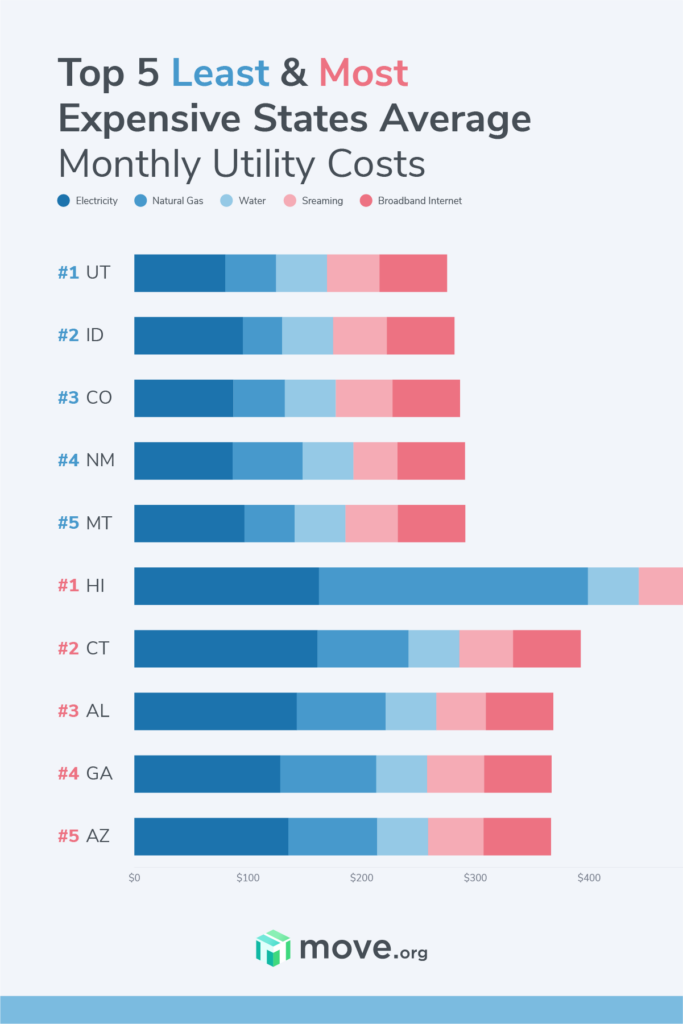
To put it in perspective: charging an average EV from near empty to full at home might cost you anywhere from $5 to $15, depending on your car's battery size and local rates. Compare that to a gas tank fill-up, which can easily hit $50, $70, or even $100!
Public Charging: The "Gas Station" of the Electric World
Of course, you won't always be home. Road trips, errands, or just needing a quick boost on the go bring us to public charging stations. These are a different beast, price-wise.
There are a few flavors:
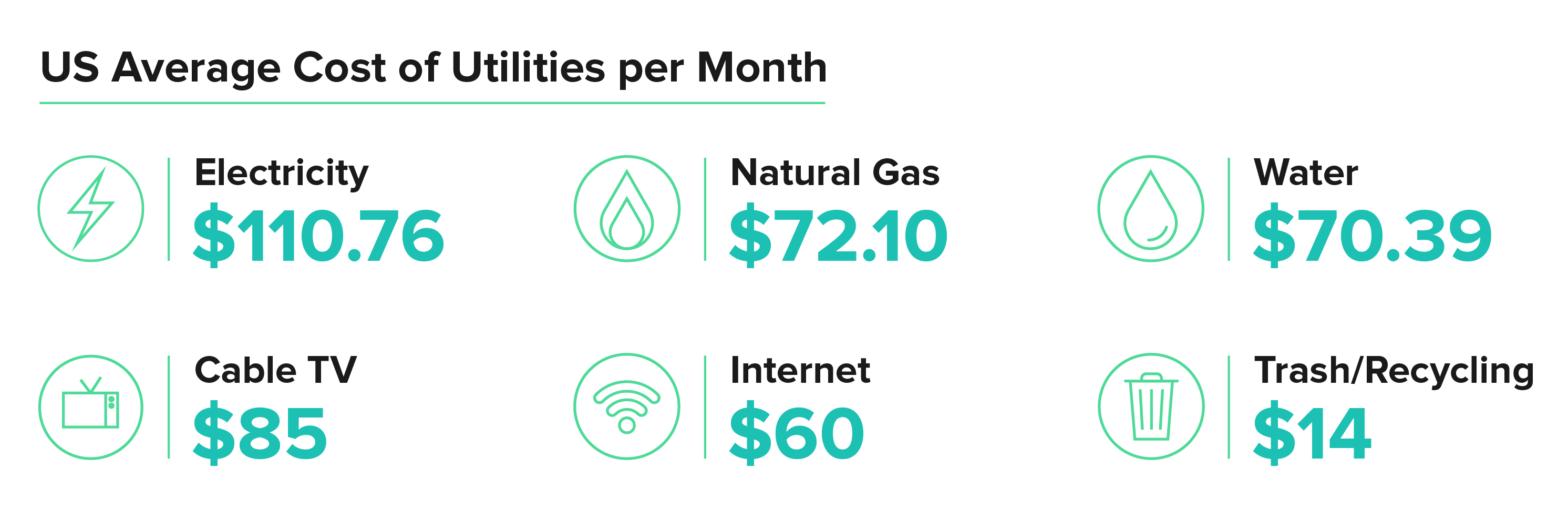
- Level 2 Chargers: These are like the friendly neighbourhood cafes of charging. They're moderately fast and often found at workplaces, malls, or hotels. Some are even free! Others might charge a flat fee per session or per hour.
- DC Fast Chargers: These are the drag racers of charging. They're super speedy, getting you significant range in a short time (think 20-30 minutes). Perfect for road trips! But, as you might guess, speed comes at a price. They're generally the most expensive way to charge, sometimes costing 30 to 50 cents per kWh, or even more in some premium locations.
Even at these higher public rates, you're often still looking at a lower "per mile" cost than gasoline. It might be like paying $20-$30 for a fast charge that gets you hundreds of miles. Still cheaper than a comparable gas fill, no?
Quirky Facts & Funny Bits!
- Did you know that electricity rates can vary wildly, even within the same state? It's like a secret menu for your power bill!
- Your EV's "fuel gauge" isn't measured in gallons, but in miles or a percentage. It feels oddly futuristic, like something out of a sci-fi movie.
- Some utility companies offer apps that literally show you the cheapest time to plug in. It's like having a little financial advisor for your car!
- Ever compare your car's charging cost to, say, running your clothes dryer? For many, charging an EV for a full "tank" can cost less than running an average dryer for a few loads. Wild!
- The feeling of driving past a gas station with prices soaring, knowing your "fuel" costs a fraction of that? Pure, unadulterated smug satisfaction. It's a funny little perk of EV ownership!
So, What's the Real Scoop?
Generally speaking, if you charge at home, you can expect your "fuel" costs to drop significantly – often by 50-70% compared to gasoline. Even with a mix of home and public charging, most EV drivers see substantial savings.
Think of it this way: instead of spending $60-$80 at the pump every week, you might add $20-$30 to your monthly electric bill. That’s a pretty sweet deal, right?
The bottom line is that the cost of charging an EV is incredibly flexible and usually a significant win for your wallet. It’s not just about being green; it’s about being smart with your cash. And honestly, isn't that just a fun thing to talk about?
So next time that little voice whispers about the electric bill, you can confidently tell it: "It's probably going to be cheaper, and way more fun to figure out!"