
How Much Coal Is Left In The Us
Hey there, curious minds! Ever find yourself scrolling through the news, seeing headlines about renewable energy and electric cars, and then – poof! – a little thought bubble pops up: "Wait, what about coal? Is that even still a thing? And how much of it is left, anyway?"
It’s a fair question, right? Coal often feels like a relic from a bygone era, like rotary phones or flip-flop CD players. But believe it or not, it’s still very much a part of our energy story, even as we move towards greener pastures. And the sheer amount of it chilling out underground in the good ol' US of A? Well, that's where things get really interesting.
So, What's the Scoop on America's Buried Black Gold?
Imagine a massive, ancient pantry, stocked to the brim with energy from millions of years ago. That’s kind of what we’re talking about with coal. It’s basically sunshine and plants from way, way back – think dinosaurs roaming the earth – compressed into a super-dense, energy-rich rock. Pretty cool, huh? It literally powered the industrial revolution and helped build modern America.
Must Read
Now, when we talk about "how much is left," it's not quite as simple as counting cookies in a jar. Geologists and energy experts use terms like "reserves" and "resources." Think of resources as all the coal that's out there, period – even the stuff that's super deep or really hard to get to. Reserves, on the other hand, are the portion of those resources that we know about, can access with current tech, and can extract economically. It’s the "ready-to-go" stash.
Prepare for a Mind-Blowing Number!
Ready? Hold onto your hats! According to the U.S. Energy Information Administration (EIA), the United States has the largest recoverable coal reserves in the entire world. Yep, number one! We're talking about an estimated 250 billion short tons of demonstrated recoverable reserves.

Let that sink in for a second. 250 billion short tons. What does that even look like? If you could pile all that coal into a single mountain, it would be absolutely colossal. Or, perhaps a more relatable comparison: at current rates of consumption, that's enough coal to last the US for well over 200 years. Seriously! Two centuries worth of energy, just sitting there.
It's like finding out you have a hidden attic full of vintage superhero comics that could keep you entertained for generations. Except, you know, it's coal. And it's underground. And it powers things.
Where Is All This Black Treasure Hiding?
This isn't just one big lump. America's coal is spread out across various regions, each with its own geological story and type of coal.
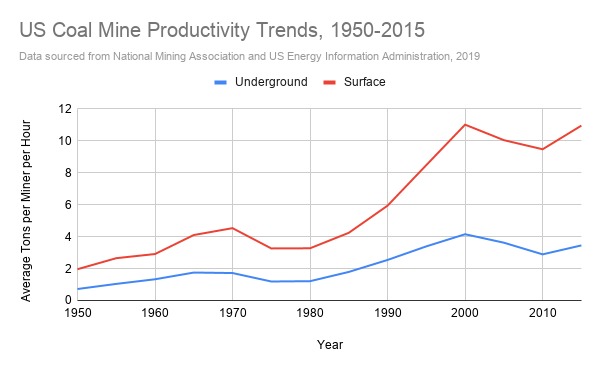
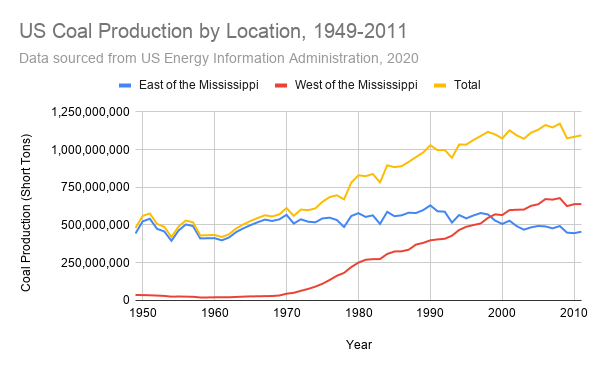
- The Western US, particularly Wyoming's Powder River Basin, is home to vast deposits of subbituminous coal. This stuff is easier to mine and generally has lower sulfur content, making it a bit "cleaner" to burn than some other types. Think of it as the workhorse coal.
- Then there's the Appalachian region (think West Virginia, Kentucky, Pennsylvania), historically known for its high-quality bituminous coal – the kind that's great for steelmaking and efficient power generation. This area has been a coal powerhouse for centuries.
- And let's not forget the Illinois Basin, another significant contributor.
Each region offers its own flavor of coal, like different kinds of coffee beans, each with unique properties that make them suitable for various industrial needs.
So, What Does Having So Much Coal Really Mean?
This is where our curiosity really gets piqued. On one hand, having such immense reserves is a huge geopolitical asset. It means the US has a significant degree of energy independence, a kind of national energy insurance policy. If global energy markets go haywire, we've got a massive backup plan buried right beneath our feet.
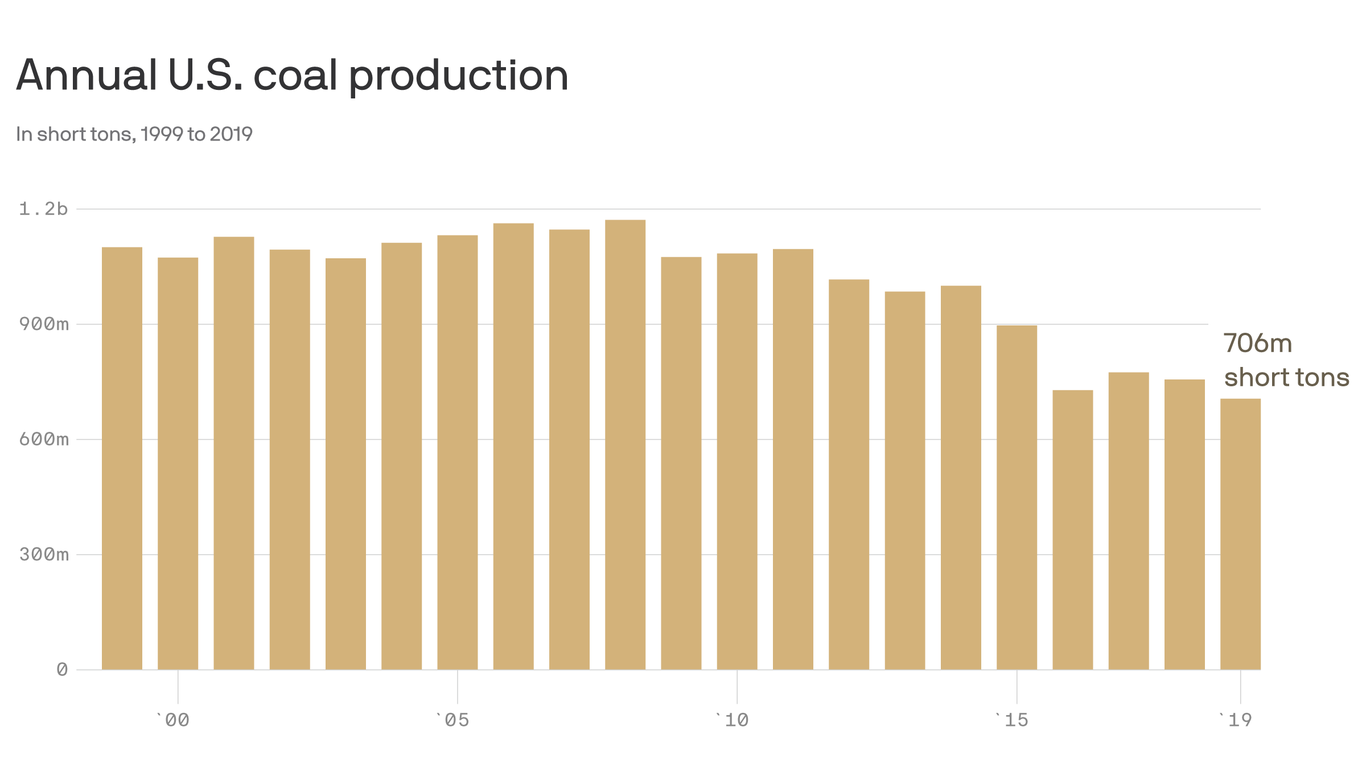
But on the other hand, it presents a fascinating dilemma in an age focused on climate change and decarbonization. If we have enough coal to last for centuries, but burning it releases greenhouse gases, what do we do with it?
- Does it represent a temptation, a readily available option that might slow the transition to renewables?
- Or does it give us a comfortable buffer, allowing for a more gradual, thoughtful shift while still ensuring energy security?
- Could technologies like carbon capture and storage make a significant portion of these reserves "clean" enough to use in the future?
These aren't easy questions, and there are no simple answers. The existence of these massive reserves fuels ongoing debates about energy policy, economic development in coal country, and our environmental responsibilities.
The Future is Unwritten (But Full of Coal, Apparently)
It’s pretty wild to think about, isn’t it? While our energy landscape is rapidly evolving, with solar panels popping up everywhere and wind turbines spinning across the plains, there's still this colossal, ancient energy source just sitting there, waiting. It’s a testament to the Earth’s incredible geology and a constant reminder of the complex choices we face as a society.
So, the next time you hear about energy, take a moment to ponder the sheer scale of what lies beneath us. The US isn't running out of coal anytime soon; the real question is how we choose to interact with this abundant, yet challenging, resource in the decades and centuries to come. Pretty cool food for thought, right?