How Much Carbon Is Stored In The Atmosphere As Co2
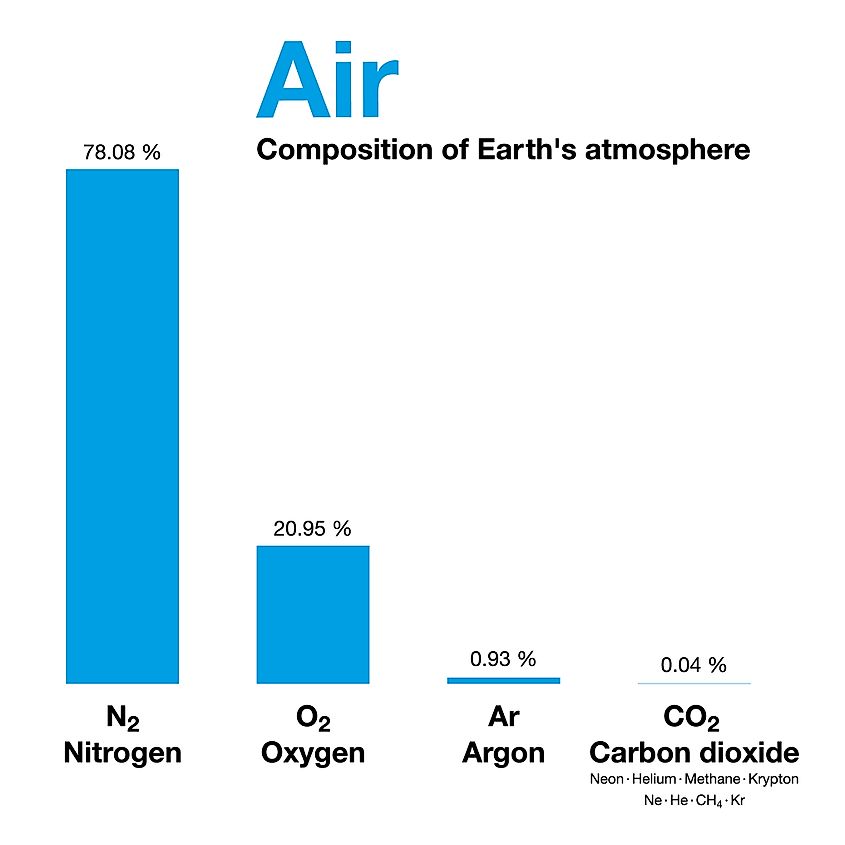
Ever wonder where all that invisible stuff we're constantly hearing about – carbon dioxide, or CO2 – actually lives? It's not like it has a tiny apartment building in the sky! Turns out, a massive amount of it is hanging out right above our heads, stored in the atmosphere. Understanding just how much is up there is actually pretty fascinating and, dare I say, kind of fun!
So, why should you care? Well, for beginners, knowing the sheer scale of CO2 in the atmosphere gives you a better grasp on the impact of human activities. For families, it’s a great way to start conversations about our planet and how we can be more responsible. And for hobbyists – gardeners, bird watchers, even amateur astronomers – understanding the delicate balance of our atmosphere helps you appreciate the interconnectedness of everything around you.
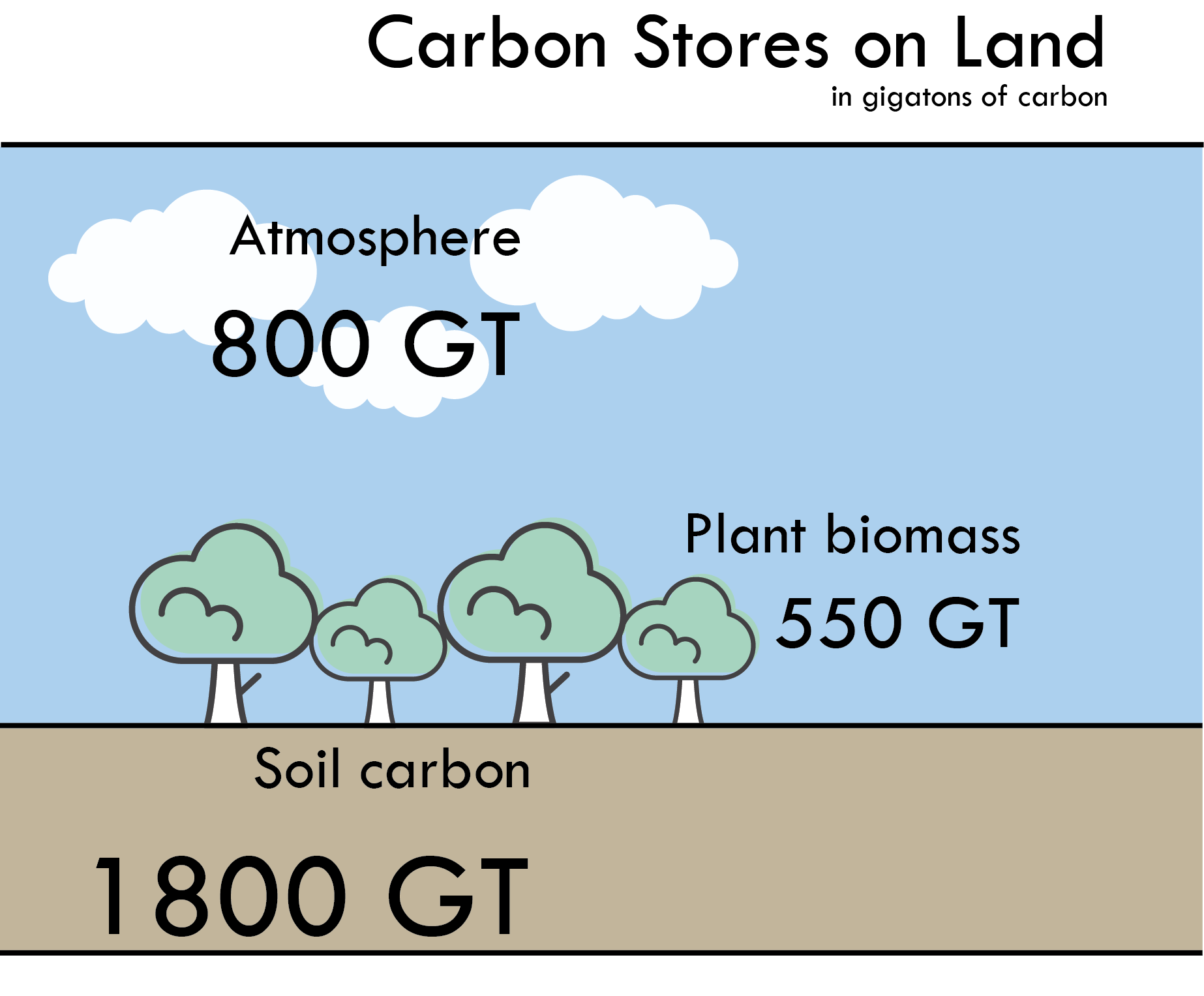
Let's break it down. Scientists estimate that there are currently around 850 gigatonnes of carbon stored in the atmosphere as CO2. A gigatonne is a billion tonnes – that's a massive amount! To put that in perspective, imagine the weight of all the cars in the world – now multiply that by, like, a million. Yeah, it's a lot.
Must Read
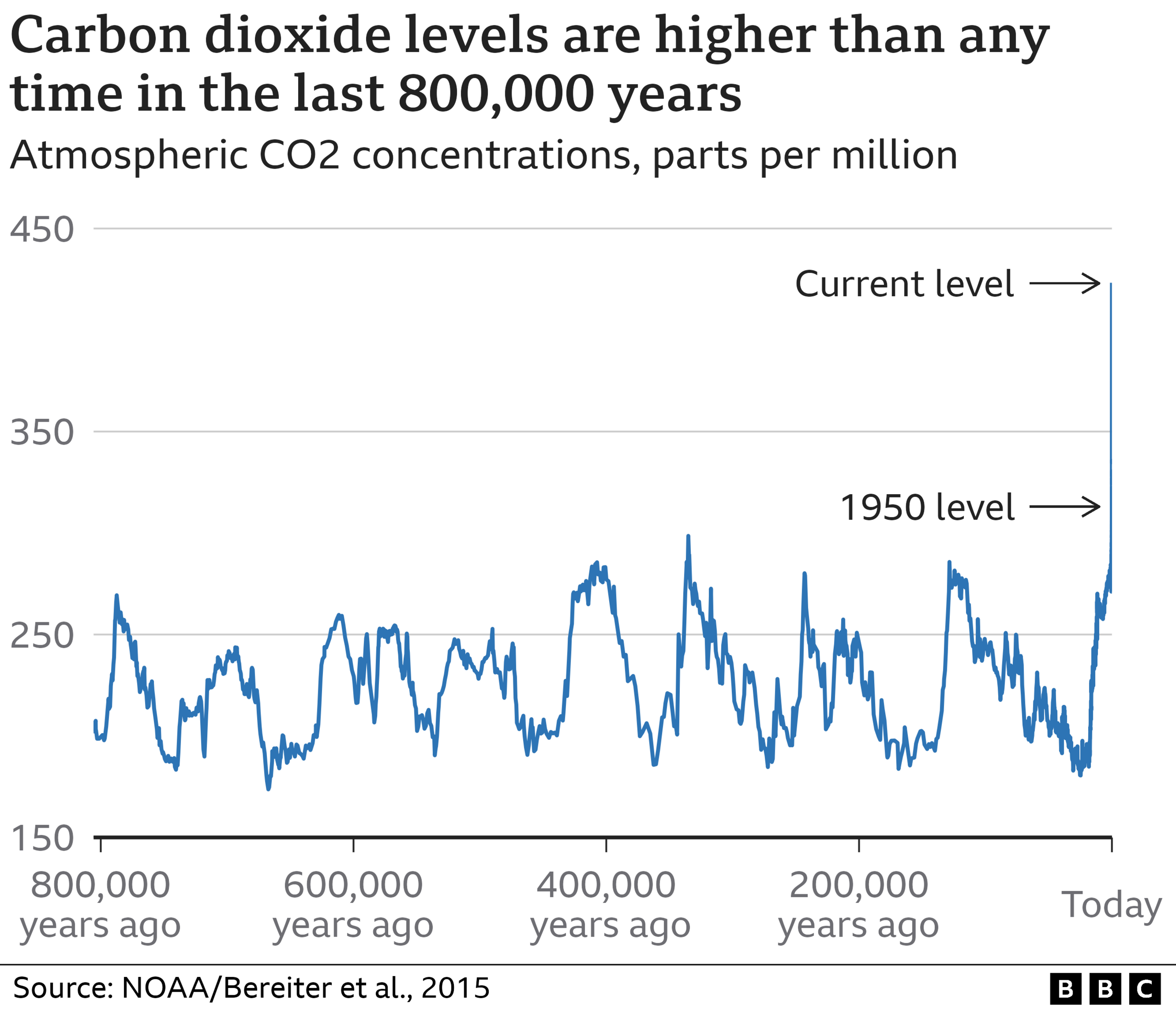
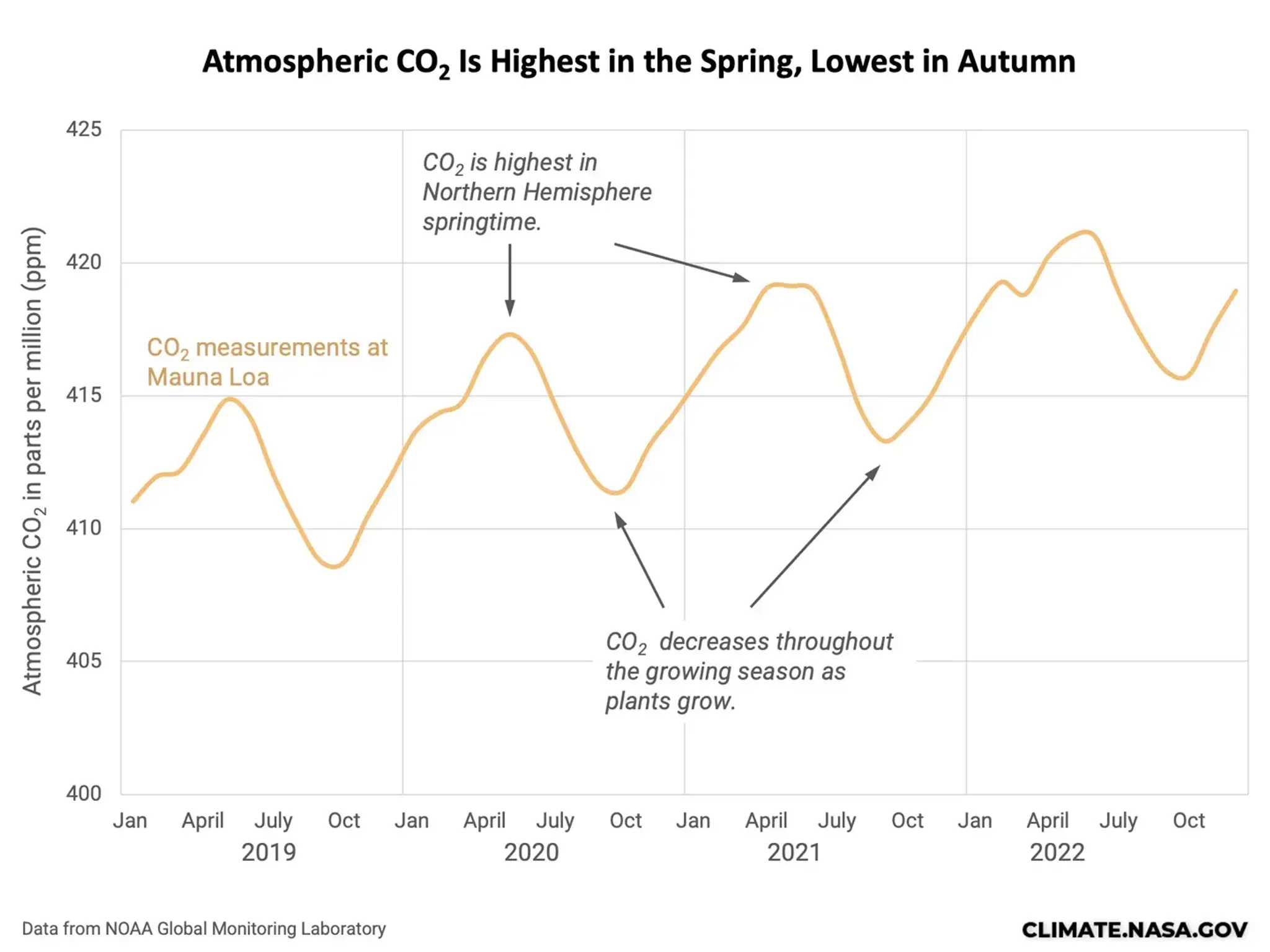
Now, you might hear about this number expressed in different ways. Sometimes it's given as parts per million (ppm). This refers to the concentration of CO2 molecules in the air. Currently, we're hovering around 420 ppm, which is significantly higher than pre-industrial levels (around 280 ppm). Think of it like this: imagine a stadium with a million seats. In pre-industrial times, about 280 seats would be filled with CO2 molecule "fans." Now, 420 seats are taken by them!
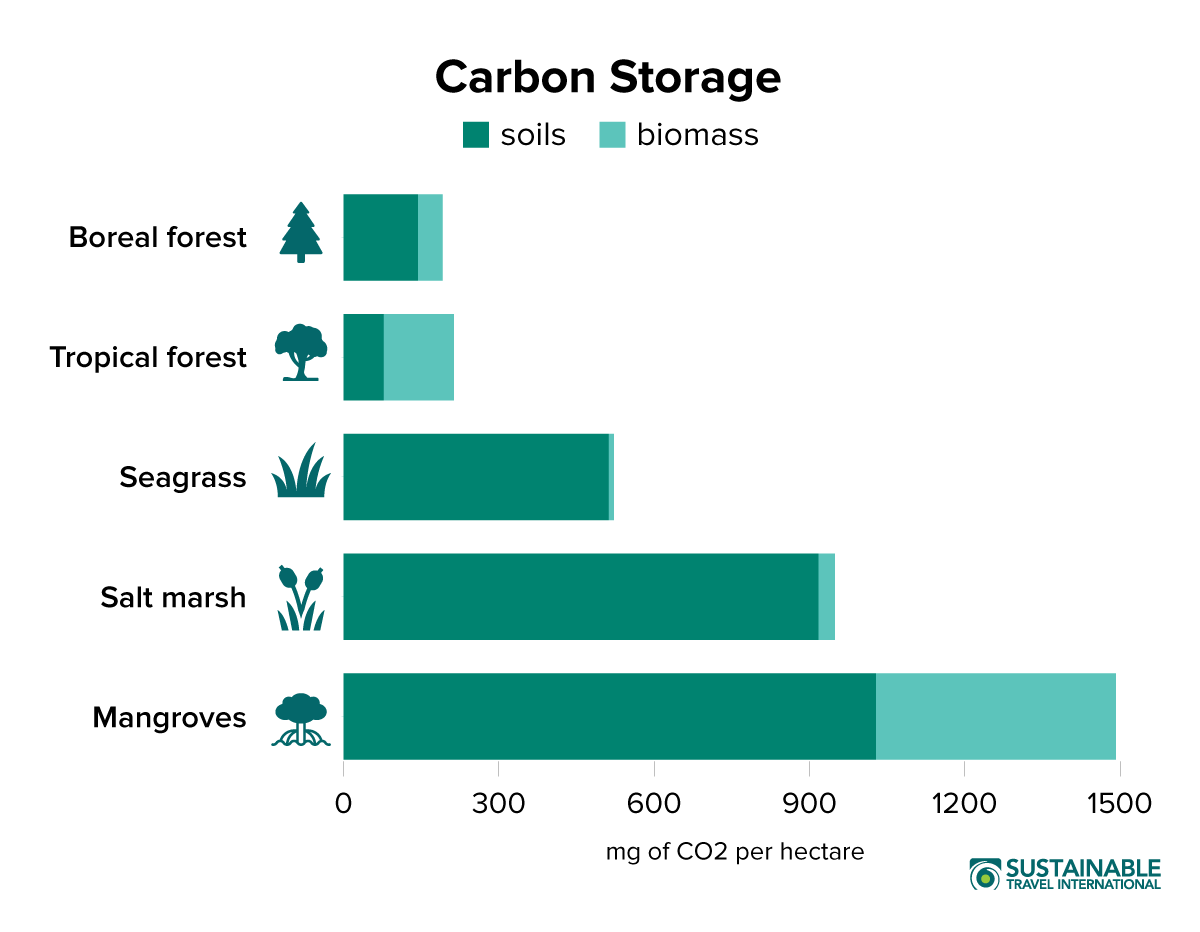
It's important to remember that carbon is constantly cycling around the planet. It's absorbed by plants during photosynthesis, released back into the atmosphere when plants decompose, and exchanged between the atmosphere and the oceans. Human activities, like burning fossil fuels, are disrupting this natural cycle by adding extra CO2 to the atmosphere at a rate much faster than the planet can naturally absorb it.
Want to get started learning more? Here are a few simple tips:
- Look up current CO2 levels online: There are numerous websites that track atmospheric CO2 concentrations in real-time.
- Read articles from reputable sources: Organizations like NASA and the IPCC have loads of information on climate change and the carbon cycle.
- Talk to your family and friends: Sharing what you learn can help raise awareness and inspire others to take action.
- Consider small lifestyle changes: Reducing your carbon footprint by driving less, eating less meat, and conserving energy can make a difference.
Understanding how much carbon is stored in the atmosphere might seem intimidating at first, but it's a crucial piece of the puzzle when it comes to understanding climate change. And honestly, once you start digging in, it’s incredibly interesting to see how everything connects! So, go ahead, take a look around – the answers are all up there!