How Much Can You Deduct For Business Expenses
Ah, taxes. Just the word itself can elicit a groan. But hold on! Before you reach for the nearest stress ball, let's talk about something that can actually make tax season a little less painful: deducting business expenses. For all you freelancers, entrepreneurs, and side-hustle aficionados out there, understanding business deductions is like discovering a secret weapon in your financial arsenal. It's about keeping more of the money you worked hard to earn!
Think about it. You're running your own show. Whether you're a graphic designer, a dog walker, a writer, or a craftsperson selling your wares online, you're investing in your business. You're buying supplies, paying for internet access, maybe even renting office space. These aren't just random purchases; they're essential for you to do your job and, ultimately, contribute to the economy. The tax code recognizes this and provides a way to lighten your tax burden by allowing you to deduct legitimate business expenses. The benefit is clear: lower taxable income, leading to lower taxes owed.
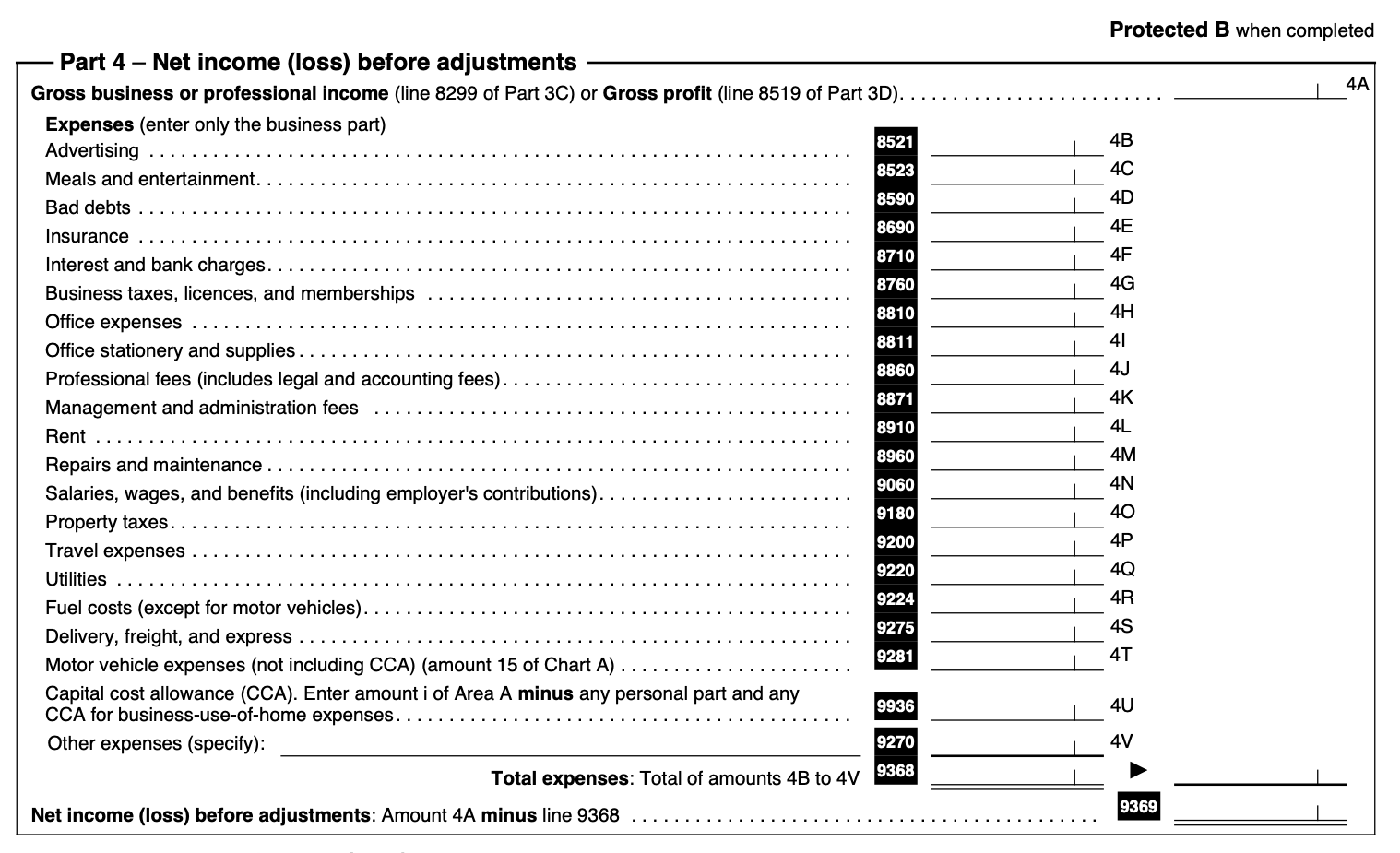
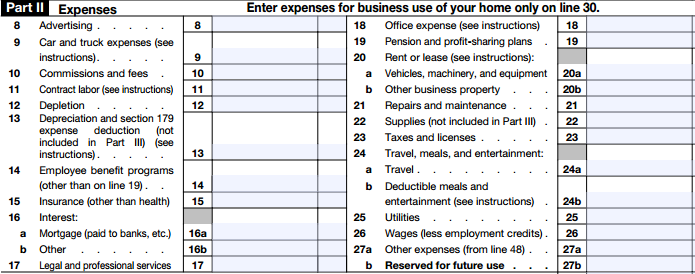
So, what kind of expenses are we talking about? The possibilities are surprisingly broad. Common deductions include things like:
Must Read
- Office Supplies: Think pens, paper, printer ink, and that ergonomic keyboard you finally splurged on.
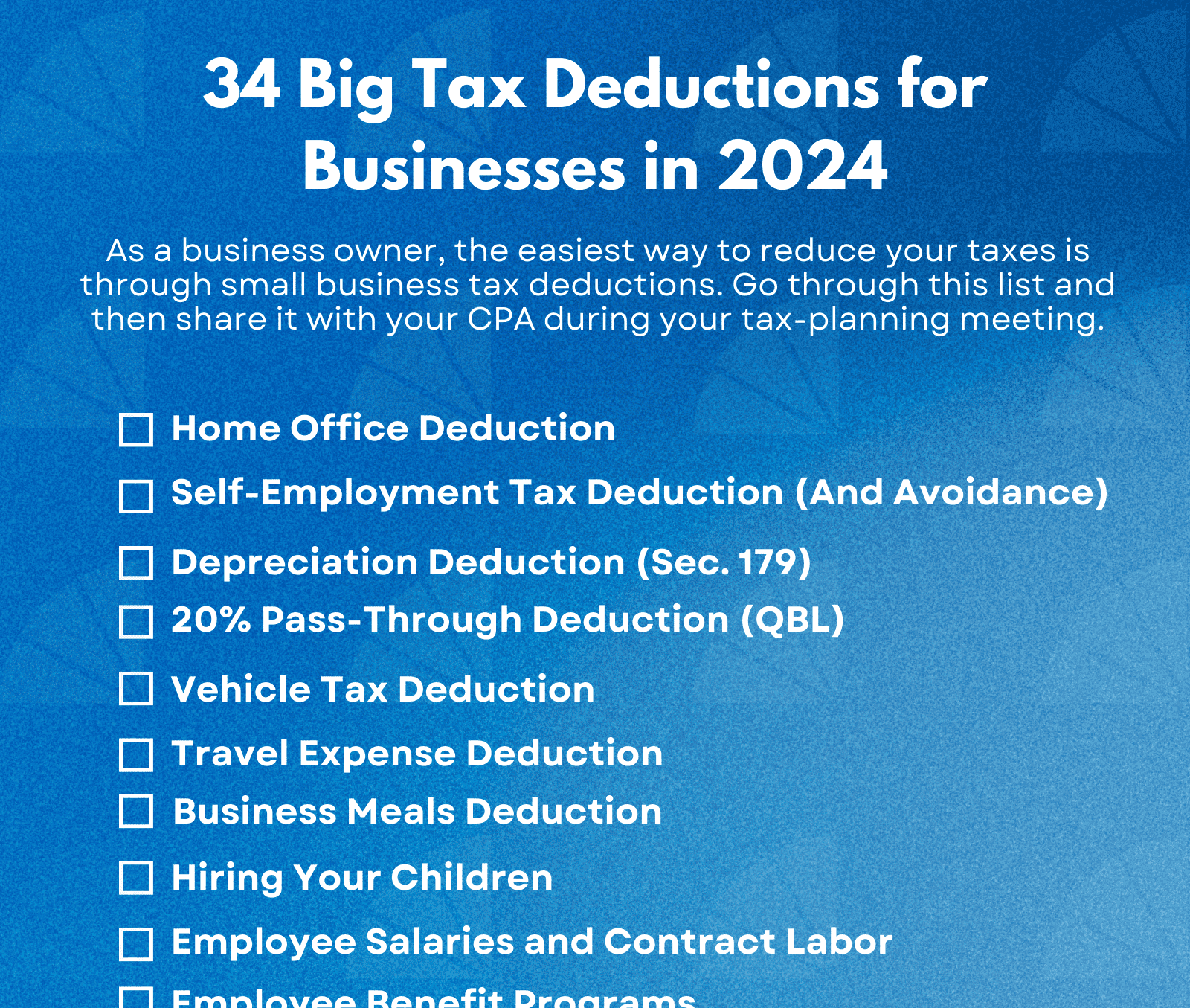
- Home Office Deduction: If you use a portion of your home exclusively and regularly for business, you might be able to deduct expenses related to that space, like rent or mortgage interest, utilities, and insurance. This is a big one for many people!
- Travel Expenses: Traveling for business conferences, client meetings, or even scouting locations? Transportation, lodging, and meals can often be deducted.
- Advertising and Marketing: Whether it's online ads, business cards, or sponsoring a local event, expenses related to promoting your business are generally deductible.
- Education: Courses, workshops, and seminars that help you improve your skills and stay relevant in your industry can be deducted.
- Business Insurance: Protecting your business is crucial, and the premiums you pay for business insurance are typically deductible.
But here's the key: you need to keep good records! The IRS isn't going to take your word for it. Keep receipts, invoices, and detailed notes about each expense. Use accounting software or even a simple spreadsheet to track your income and expenses throughout the year. The more organized you are, the smoother your tax filing process will be.
Here are a few practical tips to make the most of your business deductions:
- Separate Business and Personal Expenses: Use a separate bank account and credit card for your business to make tracking expenses easier.
- Document Everything: As mentioned before, receipts are your best friends. Scan them and store them digitally for safekeeping.
- Know the Rules: The IRS has specific rules and regulations regarding deductions. Consult with a tax professional or do your research to ensure you're claiming deductions correctly.
- Don't Be Afraid to Ask for Help: A qualified accountant or tax advisor can provide personalized guidance and help you identify deductions you might have missed.
Deducting business expenses isn't about cheating the system; it's about taking advantage of the tax laws designed to support entrepreneurs and small businesses. By understanding the rules and keeping meticulous records, you can significantly reduce your tax burden and invest more in the growth of your business. So, go forth, conquer your entrepreneurial dreams, and remember to keep those receipts handy!