
How Much Are Welding Helmets
Alright, settle in, grab your imaginary coffee. We're gonna talk about something super important for anyone even thinking about welding: those cool masks. Specifically, how much are welding helmets, anyway? Because let's be real, you can't just stare at an arc. Your eyeballs are pretty important, right?
So, you've decided to dabble in the sparks, or maybe you're upgrading your ancient gear. Good for you! But then comes the classic question: "How much is this going to set me back?" And the honest-to-goodness, friend-to-friend answer is… it totally depends!
The Entry-Level Crew: Simple & Sweet
Let's start at the very bottom, price-wise. We're talking about your basic, no-frills, fixed-shade helmets. These guys are like the flip phones of the welding world. They do one job, and they do it fine. When you strike an arc, you flip the mask down. When you're done, you flip it up. Simple.
Must Read
Price point? You can snag one of these for as little as $30 to $50, maybe even less if you catch a sale. Think barely more than a fancy coffee or two. Who are they for? Absolute beginners, super occasional welders, or folks doing quick, simple jobs. They're reliable, they protect your eyes, but they're not exactly bursting with features.
The main thing here is they usually come with a fixed shade, like a 10 or 11. Not super versatile, but definitely better than, you know, staring into the sun. Don't do that, by the way.
Stepping Up Your Game: Auto-Darkening Magic
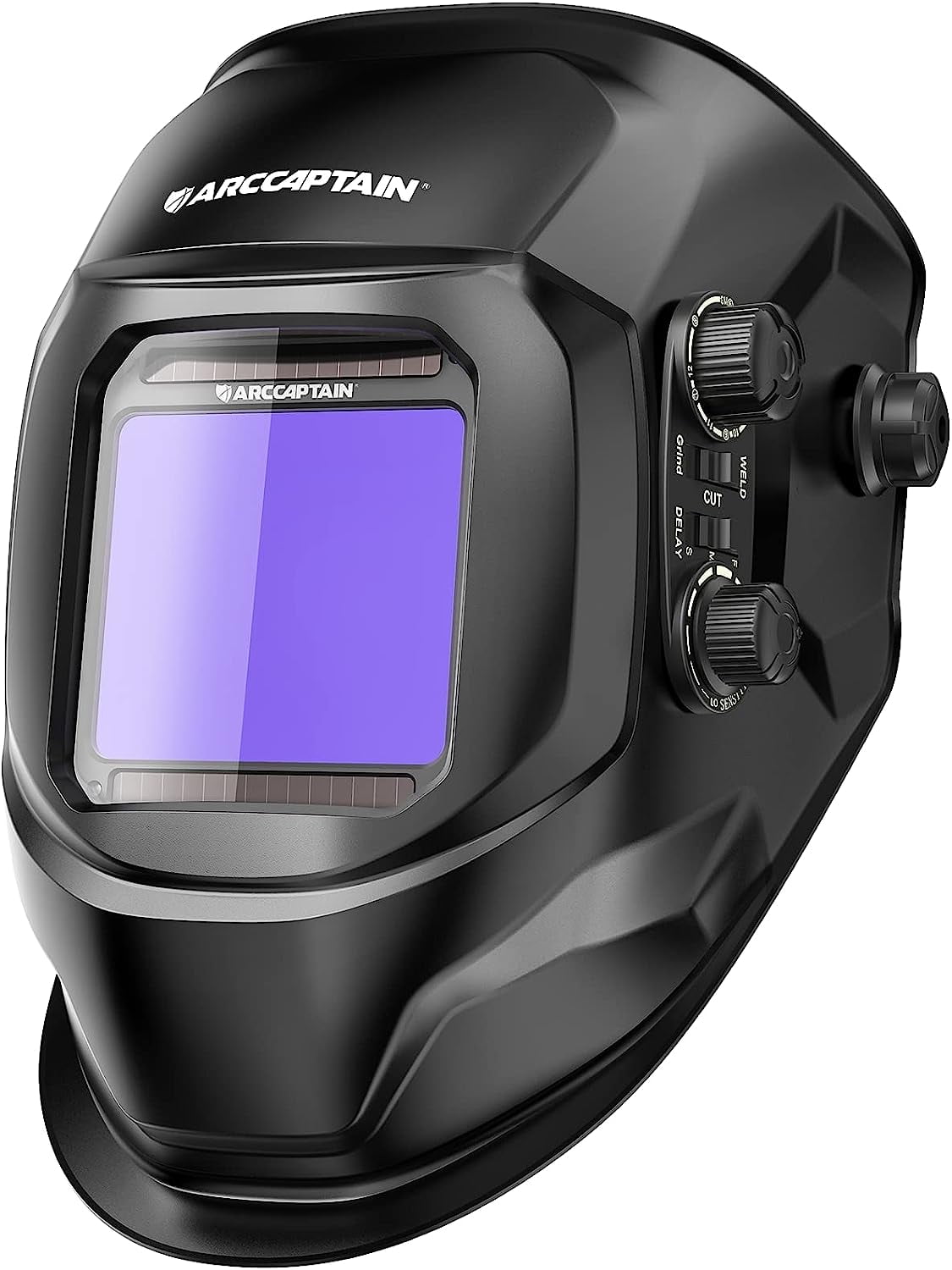
Now, if you want to feel like you've got some sort of welding superpower, you'll be looking at auto-darkening helmets. Oh man, these are game-changers! You put it on, it's clear, you position your torch, and the instant you strike an arc, BAM! It darkens automatically. No more neck-jerking head-nods. Your chiropractor will thank you.

These are where most hobbyists and even many light-duty professionals land. They offer a ton of convenience and dramatically improve your view before and after the weld. Plus, many have adjustable shades, so you can tweak it for different welding processes.
What's the damage to your wallet? You're usually looking at anywhere from $100 to $300 for a really decent one. Think of it as a good night out for dinner, or maybe a fancy new tool. Brands like YesWelder, Antra, or even some entry-level Lincoln or Miller models fall into this sweet spot.
Look for features like a good number of sensors (usually 2-4), decent response time, and adjustable sensitivity and delay settings. Your eyes deserve that extra tech, don't they?
The Pro League: High-End & Feature-Packed
Alright, for the serious welders, the folks who spend hours under the hood every single day, we enter the world of premium helmets. These are the Cadillacs of welding gear. We're talking about helmets that boast huge viewing areas, super-fast auto-darkening lenses, fantastic optical clarity (often rated 1/1/1/1 – the best!), grinding modes, comfortable headgear that feels like a cloud, and sometimes even integrated fresh-air systems.
Why are they so expensive? Because they're built for maximum comfort, durability, and eye protection during prolonged use. They often feature multiple sensors, advanced battery systems, and cutting-edge optical technology that reduces eye strain over long periods. Think about it: if you're staring at an arc for 8 hours a day, you want the best possible view and protection.
Price point? Brace yourself. These bad boys can run you anywhere from $400 to well over $1,000, sometimes even $2,000+ if you're getting into powered air-purifying respirator (PAPR) systems. Brands like Miller, Lincoln Electric, ESAB, and especially Speedglas, are big players here. Yeah, your wallet might wince a little.

So, What's the Catch? Factors Affecting Price
Besides the basic vs. auto-darkening divide, a few things really push those prices around:
- Brand Name: Just like cars, some brands simply cost more. You're often paying for R&D, reputation, and customer service.
- Viewing Area Size: A bigger window means more visibility, less repositioning, and usually a higher price tag.
- Optical Clarity: How clear is the view? Better clarity reduces eye strain. Top-tier helmets are crystal clear.
- Number of Sensors: More sensors mean better arc detection, reducing flashes.
- Response Time: How quickly does it darken? Faster is better for eye protection.
- Comfort & Headgear: A cheap helmet might have flimsy, uncomfortable headgear. A good one will feel balanced and barely there.
- Extra Features: Grinding mode (stays light for grinding), low-amp sensitivity, battery type, external controls – all add to the cost.
Is It Worth It?
Absolutely. Think of a welding helmet as an investment in your eyes and your long-term health. Seriously, don't skimp on this one. You only get one set of eyeballs, right?
For most hobbyists, that sweet spot of $100-$300 for a quality auto-darkening helmet is usually the best bang for your buck. It gives you the convenience, protection, and features you'll need without breaking the bank.
Before you buy, think about: How often will you weld? What kind of welding will you do? Do your research, read some reviews, and if you can, try a few on to see how they feel. Comfort is key!
No matter which one you choose, make sure it meets relevant safety standards (like ANSI Z87.1). That's non-negotiable, my friend.
Happy welding, and keep those peepers safe!