
How Much Amps Does A Dryer Use

Alright, let’s talk about something that might sound a little... well, technical, but trust me, it's actually pretty fascinating and can make your life a little smoother, a little smarter, and dare I say, a little more fun! We're diving into the world of how much power your dryer guzzles. Specifically, we're asking: How Many Amps Does a Dryer Use?
Now, before you reach for a coffee to brace yourself for a lecture on electrical engineering, take a deep breath. We're not doing that! Instead, we're going to uncover a little secret about your laundry room workhorse that will empower you, pique your curiosity, and maybe even save you from a tripped breaker or two. Isn't that a nice thought?
Why Even Care About Dryer Amps?
You might be thinking, "My dryer works, my clothes get dry, why should I bother with amps?" And that's a fair question! But understanding this tiny detail is like having a superpower. It’s about being in the know, making smarter decisions, and appreciating the incredible technology that hums along in your home.
Must Read
Imagine this: You’re doing a load of towels, and suddenly – pop! – the lights flicker, the dryer stops, and you're plunged into momentary silence. Annoying, right? Often, this is a tripped circuit breaker, and understanding amps helps you avoid these little household dramas. It's about safety, efficiency, and feeling like you've got a handle on how your home really works.
The Amp Explained (Simply!)
Think of electricity like water flowing through a pipe. Voltage is the water pressure, and amperage (amps) is the volume or flow rate of that water. Your dryer needs a certain "volume" of electricity to heat up and spin those clothes dry. If it tries to pull too much 'water' through a 'pipe' (circuit) that's too small, the safety valve (breaker) trips to prevent damage.

Ready for the big reveal? Let's break down the two main types of dryers:
Electric Dryers: The Powerhouses
Most electric dryers are true powerhouses. They use a lot of electricity because they need to generate intense heat to dry your clothes. This means they operate on a higher voltage than many other home appliances – typically 240 volts, not the standard 120 volts that powers your toaster or TV.
Because of this high voltage and the need for significant heat, electric dryers typically draw quite a bit of current. You'll usually find them drawing anywhere from 20 to 30 amps. This is why they need their own dedicated circuit, often protected by a 30-amp circuit breaker in your electrical panel. If you have an electric dryer, take a peek at its plug – it will have three or four prongs, quite different from a regular wall outlet!

So, if you’re planning to install a new electric dryer or just curious, remember: electric dryers are usually 240V and draw around 20-30 amps.
Gas Dryers: The Efficient Cousins
Now, what about their gas-powered counterparts? Gas dryers are a different breed. While they still need electricity, it's mainly to power the control panel, the drum motor that tumbles your clothes, and a small igniter for the gas burner. The actual heat comes from burning natural gas or propane, not an electric heating element.

Because they don't have a massive electric heating element, gas dryers draw much less electricity. Typically, a gas dryer will only pull less than 15 amps. They usually plug into a standard 120-volt outlet, just like many other household appliances, and often share a circuit with other items protected by a 15-amp or 20-amp breaker.
So, for gas dryers, think 120V and under 15 amps for their electrical components.
Where to Find Your Dryer's Specific Amperage
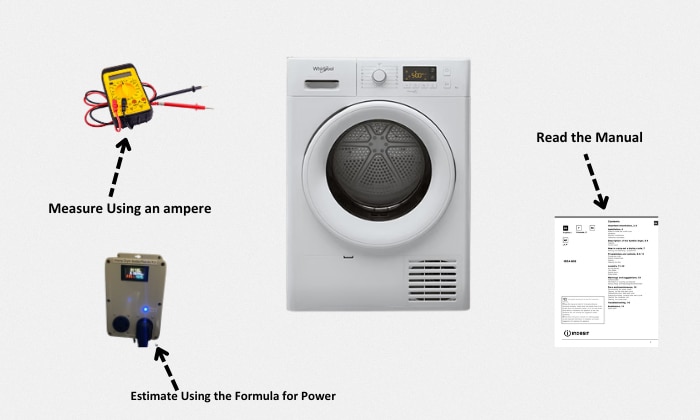
Want to be a detective? The most accurate place to find your specific dryer's amperage is its nameplate (usually on the back, inside the door, or near the lint trap opening) or in the owner's manual. It will list the voltage, wattage, and often the maximum amperage. You can also look at the circuit breaker in your electrical panel that’s labeled for the dryer – it will tell you the circuit's amp rating (e.g., "30A").
So What Does This Mean for YOU?
Knowing your dryer's amperage is more than just a fun fact. It means:
- No More Tripped Breakers: You'll understand why plugging too many things into one circuit can cause issues.
- Smarter Appliance Choices: If you're buying a new dryer, you'll know what kind of electrical setup you need.
- Home Safety & Efficiency: It's a small step towards understanding your home's electrical system, making you a more informed and capable homeowner.
Isn't it amazing how a little piece of information can demystify something as complex as your home's electrical system? What might seem like a dry, technical detail actually opens up a window into understanding the world around you, one appliance at a time.
So next time you're doing laundry, give a nod to those hardworking amps. And maybe, just maybe, you'll feel inspired to peek at a few other appliances, too. What other secrets are your toaster or microwave holding? The journey of discovery often starts with just one small question, leading you to feel more connected, more capable, and ultimately, more empowered in your own home. Go forth and learn!