How Much A Solar Panel Can Generate Electricity
Hey there, sunshine lovers! Ever wondered how much electrifying power those sleek, dark rectangles on rooftops – you know, solar panels – can actually generate? Well, buckle up, because we're about to dive into the fascinating world of solar energy and discover just how much juice these babies can squeeze from the sun!
Think of it like this: you're baking cookies (yum!). You need to know how many cookies your oven can bake at once, right? Same deal with solar panels. We want to know their electricity-generating capacity, which is usually measured in watts (W) or kilowatts (kW). And trust me, understanding this isn't just for science nerds – it’s seriously empowering stuff!
The Panel's Power Punch: Watt's the Deal?
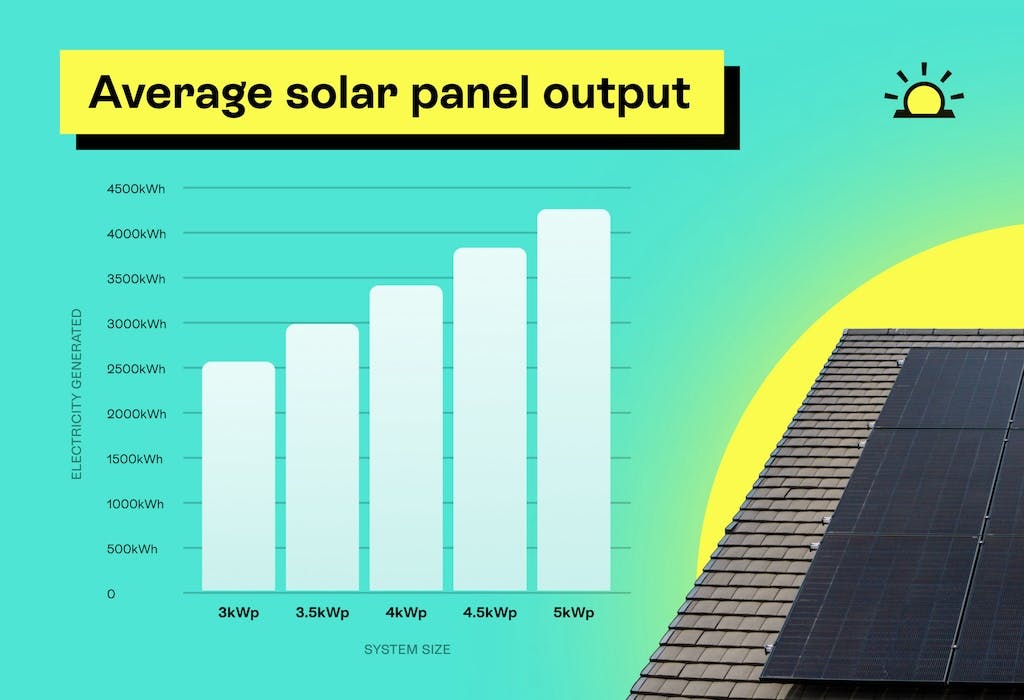
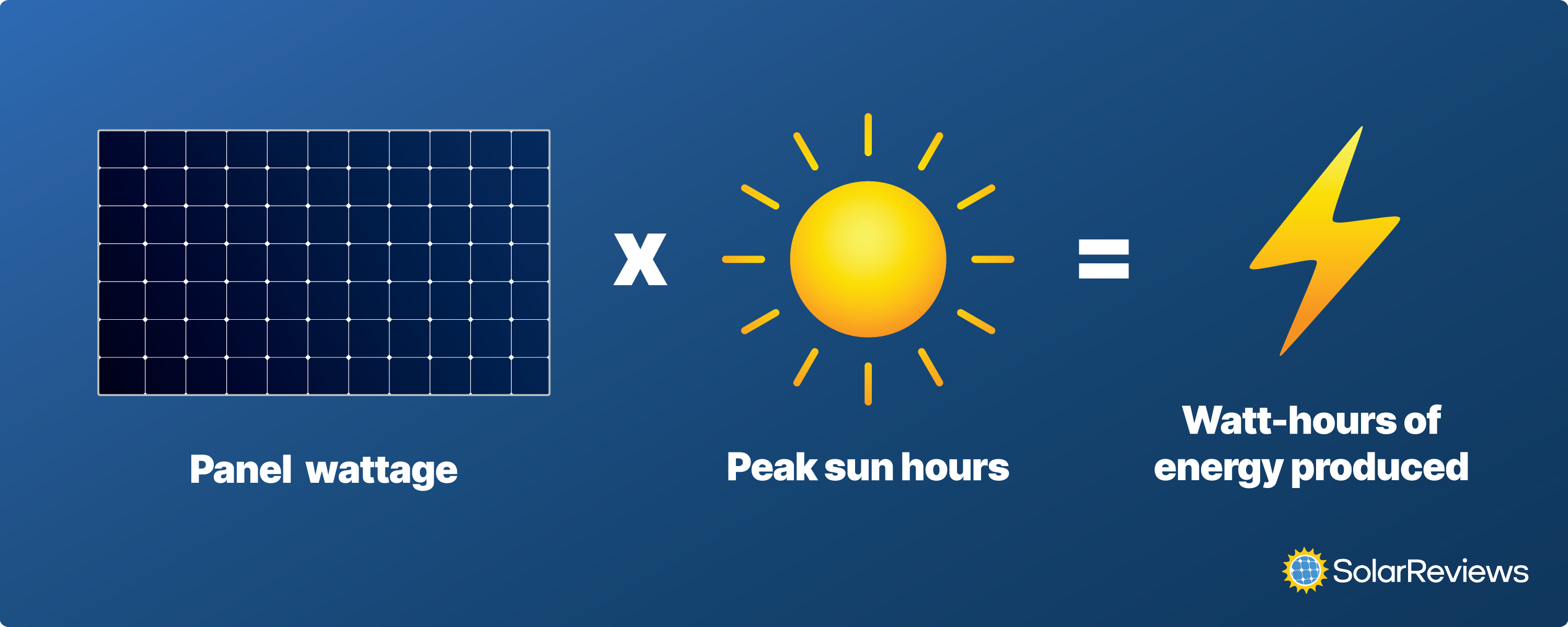
Okay, so let's talk numbers. A standard solar panel you might see on a residential roof typically ranges from 300 to 400 watts. Now, that’s the peak power – the maximum it can produce under ideal conditions. Think bright, sunny day, panel perfectly angled towards the sun, and a cool temperature (solar panels actually perform slightly better when it's not scorching hot, who knew?!). But what does that really mean for you?
Must Read
Well, that 300-400 watt panel will, on average, generate somewhere around 1 to 1.5 kilowatt-hours (kWh) of electricity per day. This number varies depending on where you live. Sunny Arizona? You'll likely get more juice than, say, rainy Seattle. But don't worry, even in less sunny climates, solar is still a viable option – technology is always improving!
Kilowatt-hours, you say? What are those? Think of it like this: a kilowatt-hour is enough energy to power a 100-watt light bulb for 10 hours. So, that single solar panel is pumping out enough power to keep a few light bulbs burning, charge your phone multiple times, or run your laptop for a good chunk of the day. Pretty neat, huh?
Putting it All Together: How Many Panels Do You Need?
Now for the million-dollar question: How many solar panels do you need to power your entire house? Well, that depends entirely on your energy consumption. Take a look at your electricity bill – it will tell you how many kWh you use each month.
Let's say your household guzzles down 1000 kWh per month. That translates to roughly 33 kWh per day (1000 kWh / 30 days). If a single panel generates around 1.25 kWh per day (a reasonable average), you'd need approximately 26-27 solar panels (33 kWh / 1.25 kWh per panel) to cover your entire electricity consumption. Boom! Energy independence!
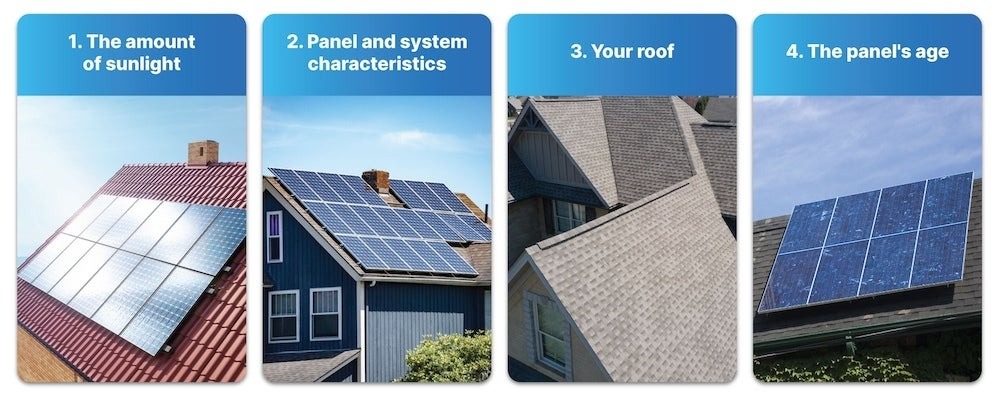
Of course, this is a simplified calculation. Factors like roof orientation, shading from trees, and the specific type of solar panel all play a role. That's why it's always best to consult with a qualified solar installer. They can assess your specific needs and provide a personalized system design.
Beyond the Numbers: Why Solar is Seriously Cool
Okay, so we've crunched some numbers, but let's not forget the bigger picture! Solar power isn't just about saving money on your electricity bill (although that's a major perk!). It's about contributing to a cleaner, more sustainable future. You're reducing your carbon footprint, helping to combat climate change, and becoming a part of the solution. Talk about feeling good about your energy choices!
Plus, there's a certain thrill to generating your own electricity. It's like having your own personal power plant right on your roof! You can even monitor your system's performance in real-time, seeing exactly how much energy you're generating. It's strangely addictive, trust me. Seeing those numbers climb on a sunny day? Pure satisfaction!
And let's not forget the potential for increasing your home's value! Homes with solar panels are often more attractive to buyers, especially those who are environmentally conscious and looking to save money on energy costs. It’s a win-win!
So, there you have it – a quick and cheerful dive into the world of solar panel power! It's more than just numbers and technical specs; it's about taking control of your energy, contributing to a greener planet, and adding a touch of awesome to your everyday life.
Feeling inspired? Awesome! The next step is to do a little research. Explore the solar options available in your area, get quotes from local installers, and see if solar is the right fit for you. The sun is shining, and the future is bright! Go get 'em, tiger!