
How Much A Month Is Water Bill

Let's be real, bills are hardly anyone's favorite topic. Electricity, internet, rent... they all show up like clockwork. But there’s one that often slips under the radar, yet it’s absolutely essential to our daily existence: the water bill. Ever wondered exactly how much of a splash it makes in your monthly budget? You're not alone! It's less talked about than, say, your Netflix subscription, but just as crucial.
The truth is, there's no one-size-fits-all answer to "How much is a water bill?" It’s a bit like asking "How much does a car cost?" – it depends entirely on the model, the mileage, and whether you want heated seats. But don't worry, we're diving deep to demystify it!
The Big Factors Behind Your H2O Bill
Your water bill isn't just a random number plucked from the sky. Several key elements play a starring role:
Must Read
1. Your Location, Location, Location: This is probably the biggest variable. Water rates differ wildly across cities, states, and even neighborhoods. Why? Think about the infrastructure: how far does the water have to travel? What's the cost of purification? Is it a naturally water-rich area or a desert landscape? A city like Phoenix, Arizona, might have different pricing strategies than, say, Seattle, Washington. Some areas even have separate charges for water and sewer, which can effectively double your bill!
2. How Many Mermaids (or Humans) Live With You: Simple math, really. A single person living alone will almost certainly use less water than a family of four. More showers, more toilet flushes, more laundry loads – it all adds up. The more people under one roof, the higher the baseline usage.
3. Your Daily Habits: Are you a fan of long, luxurious showers that could rival a spa day? Do you water your garden like it's the Amazon rainforest? Every flush, every dish washed, every load of laundry contributes. The average American uses between 80-100 gallons of water per day! That’s a lot of liquid love!
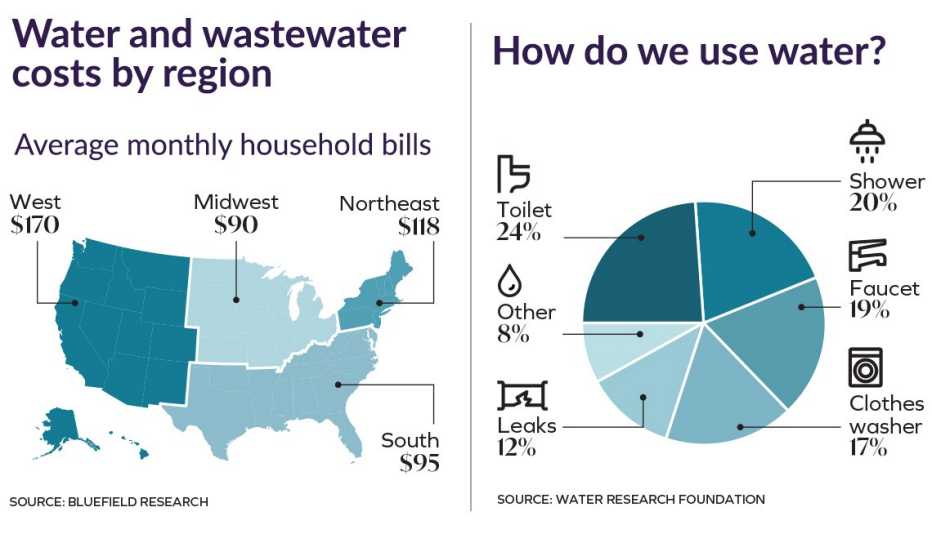
4. Appliance Age & Efficiency: An old, inefficient toilet can use up to 7 gallons per flush, while modern, low-flow models use as little as 1.28 gallons. Similarly, an ancient washing machine is a notorious water guzzler compared to its Energy Star-rated cousins. Upgrading can mean significant savings over time.
5. The Seasons Change: In many places, summer means higher water bills. Why? Gardening, filling kiddie pools, washing the car more often. It’s when our outdoor water use really kicks into gear.
So, What's the Average Splash?
Given all those variables, pinning down an exact average is tricky. However, to give you a ballpark, a typical household water bill in the U.S. might range anywhere from $20 to $80 per month. For a single person, it could be on the lower end, perhaps $20-$40. A couple might see $40-$60, and a family of four could easily be in the $60-$80+ range, especially if they have a yard or less efficient appliances.

Remember, these are just averages. If you're running a small backyard water park every day, your bill will understandably be higher!
Fun Facts & Smart Sips
- Did you know that just one dripping faucet can waste over 3,000 gallons of water a year? That's enough to take 180 showers!
- Leaky toilets are often silent culprits. A good way to check is to put a few drops of food coloring in the tank. If color appears in the bowl without flushing, you have a leak.
- A 5-minute shower uses about 10-25 gallons of water, while a full bath can take 36 gallons or more. So, quick showers often win the water-saving race!
Practical Tips to Trim Your Bill (Without Feeling Deprived!)
Being mindful of your water usage doesn't mean giving up comfort. It's about being smart!
1. Fix Leaks ASAP: This is arguably the number one tip. A small drip today is a big bill tomorrow. Check faucets, showerheads, and especially toilets regularly.

2. Embrace Efficiency: Look for WaterSense labeled products when buying new fixtures or appliances. They're designed to save water without sacrificing performance. Think low-flow showerheads and toilets.
3. Shorten Showers: Try setting a timer. Even cutting a minute or two can make a difference over a month.
4. Full Loads Only: Only run your dishwasher and washing machine when they are completely full. It's more efficient than multiple small loads.

5. Outdoor Smarts: Water your lawn and plants in the early morning or late evening to minimize evaporation. Consider drought-resistant landscaping (xeriscaping) if you're in a dry area. Rain barrels are also a fantastic way to collect free water for your garden!
6. Turn Off the Tap: While brushing your teeth or scrubbing dishes, turn off the water. It’s a classic tip for a reason – it works!
A Reflection on the Flow
Understanding your water bill is more than just about saving a few bucks; it's about appreciating a vital resource. Water is essential for life, culture, and convenience. From the coffee that kickstarts your morning to the clean clothes you wear, it’s all connected to that tap. By making small, conscious changes, we not only save money but also contribute to a more sustainable world. So, next time you turn on the faucet, give a little nod to the incredible journey that water takes to reach you, and perhaps, a small thought to how you can enjoy it wisely. Cheers to living well, one thoughtful drop at a time!