How Many Wind Turbines Can You Put On 40 Acres

Ever driven past a field dotted with those elegant, spinning giants and wondered, "How many of these things can you actually fit in one place?" It's a surprisingly fascinating question, and understanding the answer can shed light on everything from renewable energy potential to land use planning. Thinking about how many wind turbines can comfortably occupy a 40-acre plot – a relatively common land size – is like solving a real-world puzzle with implications for our future.
The purpose of exploring this question isn't just about satisfying curiosity. Wind energy offers a clean and sustainable alternative to fossil fuels. Understanding the land footprint required to generate a certain amount of power helps us evaluate the viability of wind farms as a key player in our energy mix. Wind turbines harness the kinetic energy of the wind and convert it into electricity. The more efficiently we can use land for wind farms, the greater the potential to reduce our carbon footprint and combat climate change. The benefits are clear: cleaner air, reduced reliance on finite resources, and a more sustainable future.
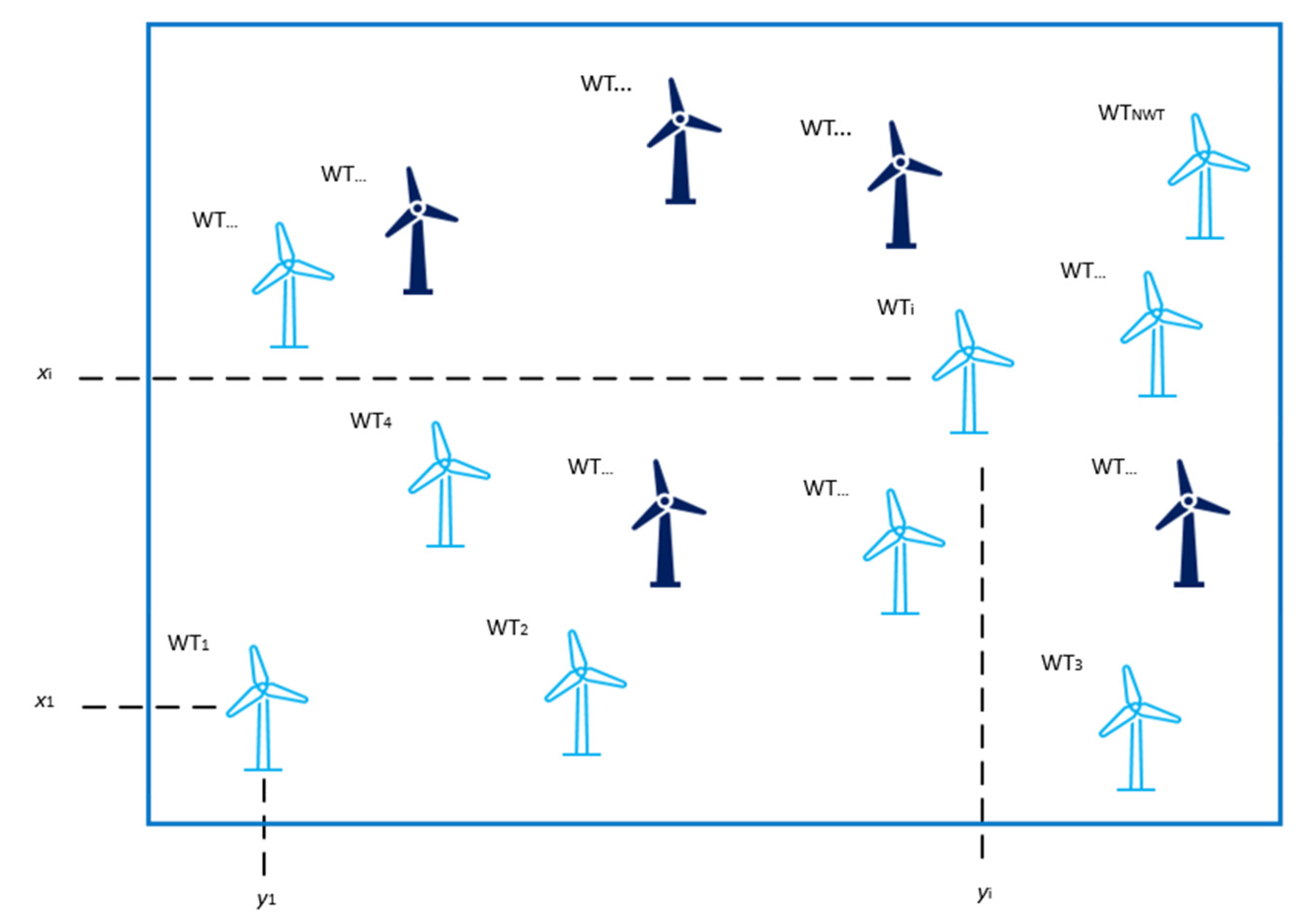
So, how many wind turbines can you cram onto 40 acres? There's no single answer. It depends on several factors, primarily the size and type of the turbine, as well as local regulations and wind patterns. Large-scale, utility-grade turbines, which are the most common type you see in wind farms, require significant spacing to avoid "wind shadow" – where one turbine blocks the wind for another, reducing its efficiency. A good rule of thumb is that turbines should be spaced 5 to 10 rotor diameters apart in the prevailing wind direction and 3 to 5 rotor diameters perpendicular to the wind direction. Given that modern turbines can have rotor diameters of 100 meters or more, that's a significant chunk of land.
Must Read
Typically, you might be able to fit anywhere from 3 to 7 large turbines on 40 acres. This figure, however, assumes relatively flat terrain and a fairly uniform wind resource. Hilly landscapes or areas with variable wind directions may require different configurations and spacing, potentially reducing the number of turbines that can be accommodated. Consider also the land needed for access roads, substations, and other infrastructure. These "balance of plant" components can further reduce the available space for turbines themselves.

Understanding turbine placement is valuable even outside of energy planning. In geography classes, this concept can illustrate the relationship between renewable energy potential and land use. In math classes, students can calculate optimal turbine spacing based on hypothetical wind conditions and rotor diameters. And in daily life, thinking about land use efficiency encourages more conscious consumption and awareness of our environmental impact. The principles behind turbine placement also mirror concerns in other fields, like urban planning, logistics, and agriculture, all of which require optimal space utilization.
Want to explore this further? A simple starting point is to research the rotor diameter of different commercially available wind turbines. Then, using graph paper or online mapping tools, try to lay out a hypothetical wind farm on a 40-acre plot, keeping in mind the recommended spacing guidelines. Play around with different configurations and turbine sizes to see how the number of turbines varies. Online wind resource maps, available from government agencies and research institutions, can also provide insights into wind patterns in specific areas. You could even visit a local wind farm (if accessible and safe) to get a sense of the scale and layout firsthand. Remember, understanding the complexities of wind energy deployment is a crucial step toward a more sustainable future.