
How Many Watts To Run Ac Unit
Ah, summer! That glorious time of year filled with sunshine, longer days, and the inevitable craving for that magical chill. You know the one. The moment you step indoors from the sweltering heat and feel that glorious wave of cool air wash over you. It's pure bliss, isn't it? But as we all lean into that sweet relief, a little question often pops up for the modern homeowner: "How much juice is this thing actually sucking?"
We're talking about watts, my friends. And if you've ever gazed at your utility bill with a mix of wonder and slight dread, you're probably not alone in wanting to understand the power behind your perfect indoor climate.
The Big Picture: Not a One-Size-Fits-All Answer
Before we dive deep, let's get one thing straight: there isn't a single, definitive answer to "how many watts does an AC unit use?" It's not like asking how many wheels a car has (four, usually!). Instead, it's more like asking how many ingredients are in a gourmet meal – it depends. The wattage your AC devours depends on a few key factors: its type, size, efficiency rating, and even the outside temperature.
Must Read
Think of it like this: a tiny espresso maker uses way less power than a massive industrial coffee machine, right? Same principle applies to air conditioners.
Start-Up vs. Running Watts: The Power Surge
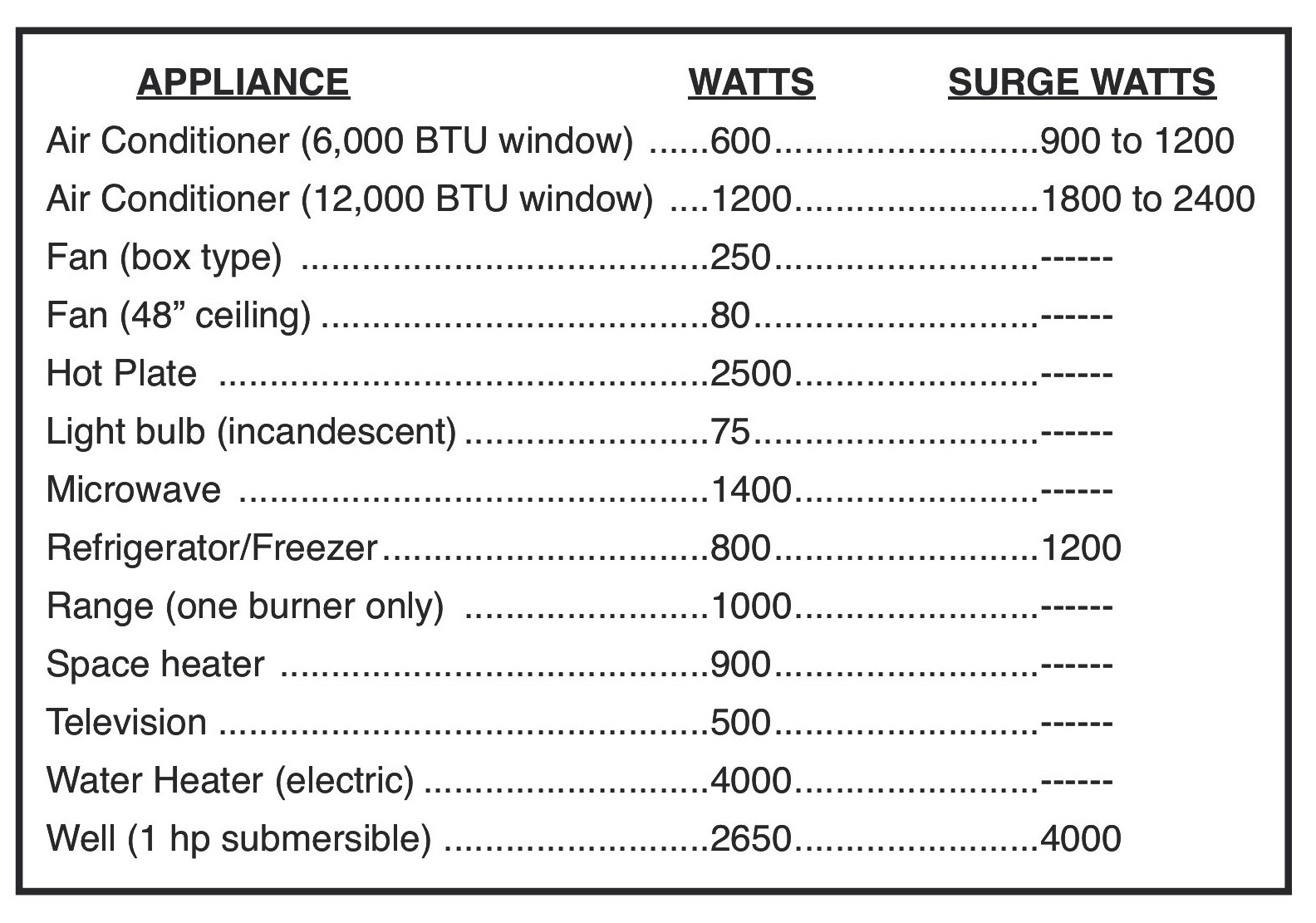
Here's a fun little fact that often catches people off guard: your AC unit doesn't just draw a steady stream of power. It has two main wattage figures you should be aware of: starting watts (or surge watts) and running watts.

- Starting Watts: When your AC first kicks into gear, especially if it's been off for a while, it needs a significant burst of power to get the compressor motor going. This can be 2 to 3 times higher than its normal running wattage! It's like a sprinter at the starting blocks, needing that initial explosive push.
- Running Watts: Once your unit is up and running smoothly, it settles into a lower, more consistent power draw. This is the number you'll primarily be concerned with for your overall energy consumption.
Modern inverter-driven units, like many mini-splits, are fantastic at mitigating this surge, offering a smoother, more energy-efficient start-up.
Diving into AC Types & Their Thirst for Power
Let's break down the common types of AC units and give you a ballpark idea of their wattage appetite.
Window Units: The Go-To for Quick Chill
These trusty individual room chillers are a popular choice for apartments or single rooms. Their wattage varies wildly depending on their BTU (British Thermal Unit) rating – the measure of their cooling power.

- Small (5,000 BTU): Often around 500 to 700 running watts. Perfect for a cozy bedroom.
- Medium (10,000 BTU): Expect closer to 900 to 1,200 running watts. Great for a larger living space.
- Large (15,000+ BTU): These can hit 1,400 to 2,000+ running watts, cooling bigger, open-concept areas.
Portable ACs: Convenience on Wheels
While incredibly convenient, portable units are generally less efficient than window units because they often vent hot air through a hose, which can create negative pressure and draw in warm outdoor air. Their wattage often falls in a similar range to window units, perhaps a touch higher for comparable cooling capacity.
- Typically, 800 to 1,500 running watts.
Central Air Conditioners: The Whole-Home Hero
This is the big kahuna, designed to cool your entire home. Since they're mighty powerful, they consume a lot more watts overall, but they're also incredibly efficient at cooling large spaces compared to running multiple smaller units.

- A standard central AC unit for an average home might draw anywhere from 3,000 to 5,000 running watts (or even more for larger homes and older, less efficient models).
Mini-Split Systems: The Efficient Darlings
These ductless systems are increasingly popular for their zoned cooling and superior efficiency. They come in various sizes and can cool single rooms or multiple zones. Thanks to their inverter technology, they are often the most energy-efficient option.
- A single-zone mini-split unit might use 600 to 1,500 running watts, depending on its BTU rating.
Decoding the Labels: Your AC's Secret Language
So, how do you find the precise wattage for your unit? Look for the nameplate! This handy sticker is usually found on the side, back, or inside the front panel of your AC unit. It will list crucial information like the BTU, voltage, amperage, and often, the rated wattage (which is typically the running watts).
Another thing to look for is the SEER (Seasonal Energy Efficiency Ratio) rating. A higher SEER number means a more efficient unit, consuming fewer watts for the same amount of cooling. Think of it as the MPG for your AC!

Practical Tips for a Cooler, Greener Wallet
Understanding wattage is one thing, but managing it is where the real magic happens. Here are a few practical tips:
- Check Your Filters: A clogged air filter is like trying to breathe through a pillow. Your AC has to work harder, drawing more watts. Change them regularly!
- Proper Sizing Matters: An oversized AC will cycle on and off too frequently (short-cycling), using more starting watts and not adequately dehumidifying. An undersized unit will run constantly, struggling to cool. Get it right!
- Seal and Insulate: Don't let your cool air escape like a sneaky ninja! Seal windows and doors, and ensure good insulation.
- Smart Thermostats: Program your thermostat to raise the temperature when you're away and lower it before you return. Every degree counts.
- Consider Energy Star: When buying new, look for the Energy Star label. These appliances are certified to be more energy-efficient.
Did you know the widespread adoption of air conditioning in the mid-20th century played a significant role in the growth of cities in the American Sun Belt? Before AC, these regions were far less appealing during the scorching summer months!
A Breath of Fresh (Cool) Air
Ultimately, understanding how many watts your AC unit uses isn't just about nerding out on numbers. It's about being an informed consumer, making smart choices for your home, and finding that perfect balance between personal comfort and responsible energy consumption. Because let's face it, on a truly scorching day, the sweet hum of an efficient AC unit is nothing short of music to our ears – and perhaps, a slightly kinder tune for our utility bills too. Stay cool, smart, and breezy out there!