How Many Watts To Run A Home
Ever had one of those moments when the power goes out, and suddenly your house feels like a giant, silent brick? Or maybe you’ve stared blankly at a generator ad, wondering what on earth "5000 running watts" even means for your beloved toaster oven. If so, you're in good company! We’re about to demystify the wild world of watts, not with intimidating equations, but with a chuckle and a nod of understanding.
So, you want to know how many watts it takes to run a home? The short, frustrating, but utterly true answer is: it depends. Think of watts like the snacks your appliances need to do their job. A tiny phone charger? That's a single cracker. Your beast of an air conditioner? That's a five-course meal with dessert and a digestif. It really just comes down to who’s eating what, and how much they’re munching at the same time.
Your Home's Unique Hunger
Picture two houses. House A belongs to Brenda, a minimalist who lives by candlelight, occasionally uses a laptop, and maybe a small fridge. House B belongs to Gary, who’s got a home cinema, an electric car charging in the garage, a monster gaming PC, three kids with their own gaming setups, and a hot tub bubbling away in the backyard. Brenda’s house needs watts like a hummingbird sips nectar. Gary’s house? It’s more like a blue whale gulping krill. Both are homes, but their appetite for power is wildly different.
Must Read
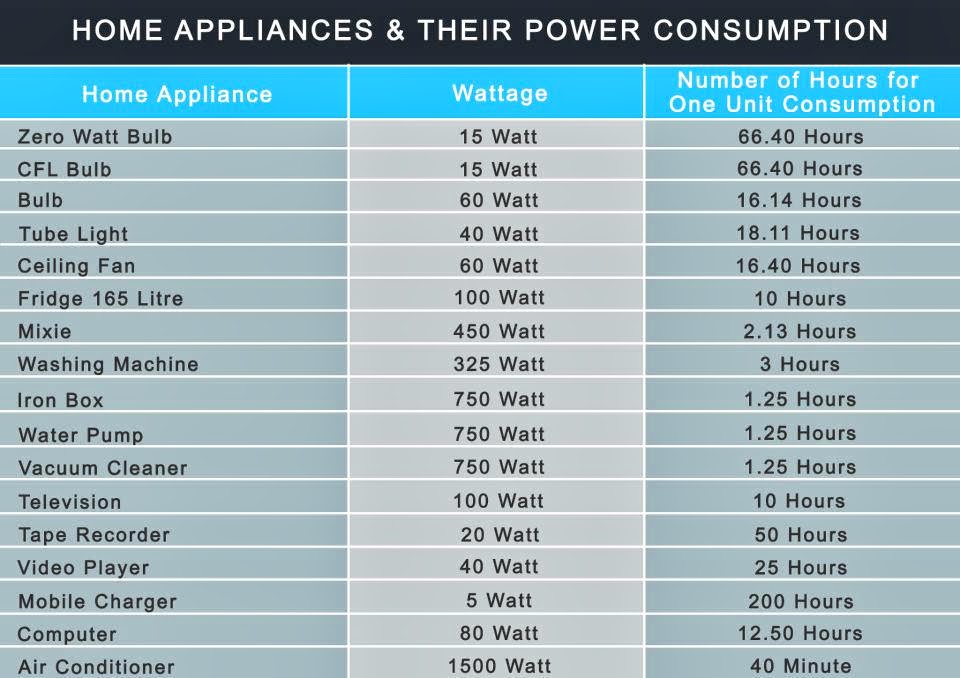
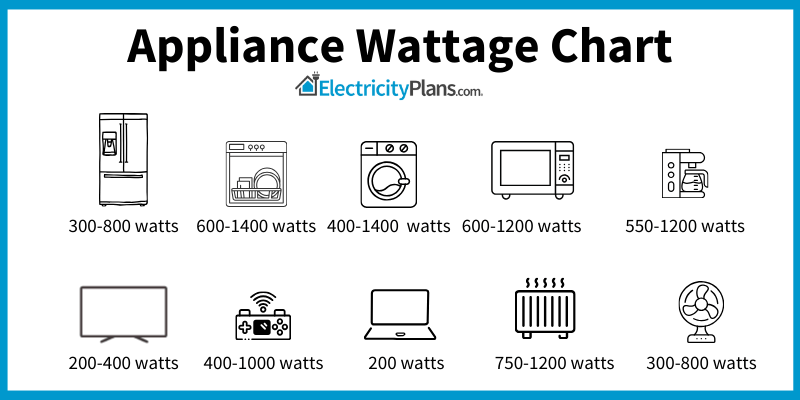
This is where the fun begins. Every appliance, from your humble light bulb to that power-hungry hair dryer, has a wattage rating. It's usually printed somewhere on the device, often in tiny letters you need a magnifying glass to read. This number tells you how many "digital snacks" that item consumes when it’s running. A typical LED bulb might be 8-15 watts. Your fridge might hover around 100-200 watts. That blender you only use for smoothies but sounds like a jet engine? Could be 500-1000 watts! And the infamous hairdryer? Oh, the hairdryer! Upwards of 1500-2000 watts. It’s like a tiny dragon in your bathroom, just breathing fire and watts.
The Simultaneous Snack Attack
The real trick isn't just knowing what each appliance eats, but what they’re all munching on at the same time. We rarely run just one thing, do we? You’re brewing coffee (1000W), toasting bread (1200W), watching the morning news (80W), and your phone is charging (10W). That's your morning "peak demand" – a sudden, glorious, often breaker-tripping surge of wattage demand. It’s like everyone in the house suddenly decides they’re starving at 7 AM. This is why you sometimes get that delightful "pop" and sudden darkness if you plug in the vacuum cleaner while the microwave is going full tilt. Your electrical system is basically saying, "Whoa there, cowboy! Too many snacks for this kitchen circuit!"

So, to estimate your own home's typical "wattage meal," you basically need to play detective. Wander around your house (yes, really!) and list what you consider your essentials. The fridge, a few lights, maybe the TV, your modem/router. Add up their watts. Then think about your comforts: AC, washing machine, dishwasher, computer. And finally, your power hogs: electric water heater, oven, electric dryer, power tools, electric car charger, hot tub. You might be surprised. That tiny little space heater you love so much? It could be guzzling more watts than your entire living room’s entertainment setup.
Why Bother Counting Your Watts?
Knowing your wattage footprint isn't just for bragging rights at a dinner party (though you absolutely should). It's incredibly useful. Planning for a generator during a storm? You need to know if it can handle your fridge, some lights, and a fan, or if you also want to run the whole shebang. Thinking about solar panels? Understanding your daily usage in watts (or kilowatt-hours, which is just watts over time) is ground zero for figuring out how many panels you need to keep those digital snacks coming.

For a typical modest home in America, running essentials (fridge, some lights, TV, computer, modem) might be around 1000-2000 watts at any given moment. Add in an AC unit, oven, or clothes dryer, and you can easily jump to 5000-8000 watts or even higher for a few minutes. A large home with all the modern trimmings could easily peak at 10,000 to 20,000 watts or more when everything's humming along.
The Takeaway: Don't Stress, Just Observe
You don't need to become a watt-counting obsessive. Just remember that every plug-in device has a hunger level. The more gadgets you have, the bigger their individual appetites, and the more you run at once, the bigger your overall "wattage meal" will be. Next time you flip a switch, just give a little nod to those invisible watts doing their busy work. And maybe, just maybe, think twice before running the hairdryer, the microwave, and the electric kettle all at the exact same moment. Your circuit breaker (and your power bill) will thank you!