How Many Watts To Run A Furnace
Ah, the unmistakable sound of your furnace kicking on! For many of us, that gentle hum or whoosh isn't just a noise; it's the warm embrace of home, the silent guardian against the biting chill of winter. We don't "enjoy" a furnace in the way we enjoy a good book or a hot cup of coffee, but we certainly revel in the blissful comfort it provides. It's the unsung hero that turns a frosty house into a cozy haven, making it possible to curl up on the couch without bundling up indoors.
The purpose a furnace serves in our daily lives is monumental. Beyond simply keeping us warm, it safeguards our homes by preventing pipes from freezing and bursting, an expensive and messy nightmare. More importantly, it contributes to our health and well-being, protecting us from the discomforts and potential ailments associated with prolonged exposure to cold. It’s the invisible force that allows us to work, relax, and sleep in a consistent, pleasant environment, making those frosty mornings a little more bearable and those snowy evenings truly magical.
Furnaces are the backbone of central heating in countless homes. Whether you have a gas furnace with its flickering pilot light and powerful blower or an electric one silently radiating warmth, the principle is the same: take cold air, heat it up, and circulate it throughout your living space. You'll hear them fire up automatically when your thermostat senses a drop in temperature, ensuring your home stays within your preferred comfort zone. It's the reason you can walk barefoot in January, and why your houseplants don't freeze solid by the window.
Must Read
Now, let's talk about the "juice" behind the warmth: watts. Understanding how many watts your furnace uses isn't just for electricians; it's practical knowledge for anyone keen on managing energy bills, considering backup power, or just being more energy-conscious. Here’s the key takeaway: a furnace's electrical draw isn't constant. It has a significantly higher surge wattage when it first starts up (especially the blower motor) and then settles into a lower, continuous running wattage.
For most common gas furnaces, the main electrical draw comes from the blower motor, the igniter, and the control board. These typically consume around 800 to 1200 running watts, with a startup surge often doubling or tripling that for a split second (think 2000-3000 watts). Electric furnaces, on the other hand, use electricity for everything, including the heating elements themselves. This means they can draw a whopping 10,000 to 30,000 watts or more while running, making them a very different beast in terms of power consumption.

So, how can you "enjoy" your furnace more effectively while being mindful of its energy appetite?
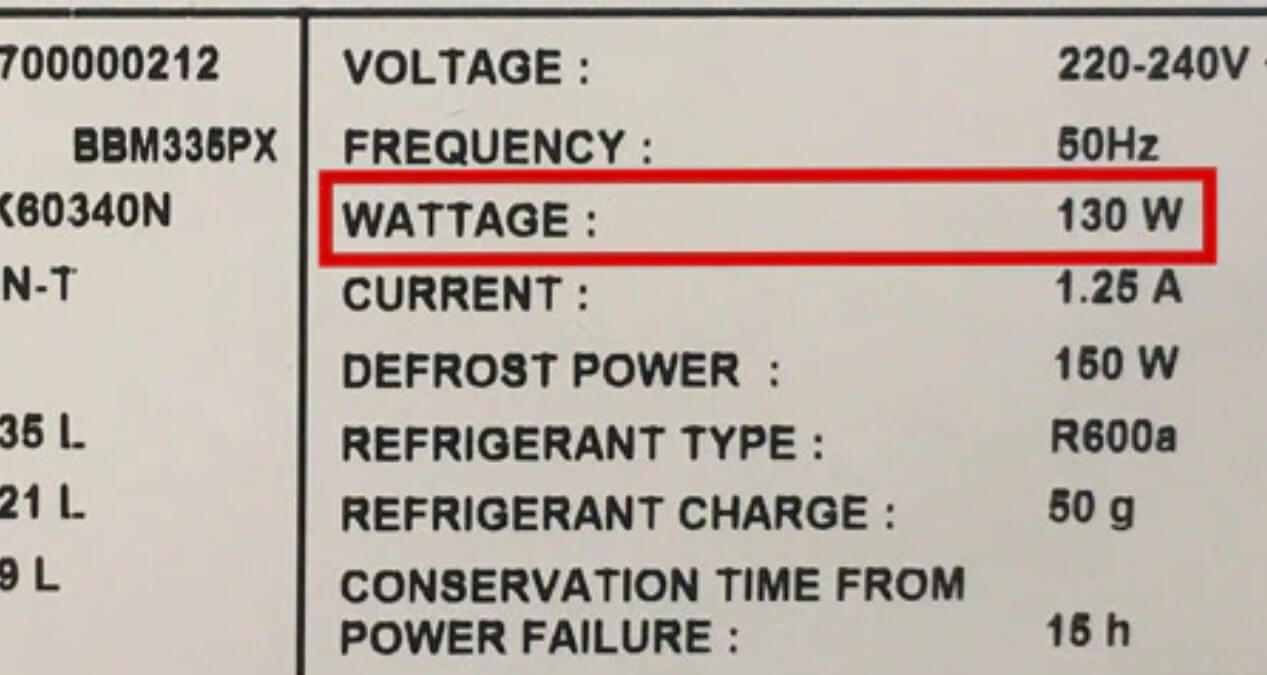
- Know Your Numbers: Check the nameplate on your specific furnace for its exact wattage requirements. This is usually inside the access panel.
- Regular Maintenance: A clean furnace runs more efficiently. Regularly changing air filters (every 1-3 months, depending on usage) is perhaps the single most effective tip for reducing energy consumption and prolonging your furnace's life.
- Smart Thermostats: These intelligent devices learn your habits and optimize heating schedules, preventing unnecessary power usage when you're away or asleep. Programmable settings are your friend!
- Insulation and Sealing: The best way to reduce furnace usage is to keep the heat inside your home. Seal drafts, add insulation, and ensure your windows and doors are well-sealed.
- Zone Heating (with caution): If you spend most of your time in one or two rooms, consider using a highly efficient space heater for those areas and lowering the main thermostat. Just be sure not to overload circuits and always follow safety guidelines.
By understanding your furnace's power needs and implementing these practical tips, you can ensure your home remains a warm, inviting sanctuary throughout the colder months, all while keeping your energy consumption in check. Embrace the warmth, and enjoy the efficiency!