
How Many Watts To Run A Ac Unit

Ah, the sweet symphony of an air conditioner on a scorching summer day. That glorious blast of cool air is like a superhero swooping in to save you from the tyranny of sweat and discomfort. But have you ever stopped to wonder, as that wonderful chill washes over you, what magic is actually happening behind the scenes to make it all work? Or, more to the point, what kind of energy your trusty AC unit is guzzling?
It’s not just magic, my friend. It’s watts. And knowing a little bit about them can turn you from a passive recipient of cool air into a savvy, energy-conscious champion. So, let’s pull back the curtain and chat about how much “oomph” your AC needs.
What Are Watts Anyway? (No, Not a Unit of Measurement for Witty Remarks)
Think of watts as the muscle an appliance needs to do its job. It's the rate at which electricity is consumed or produced. Imagine your toaster: it needs a certain amount of muscle to turn that bread golden brown. Your hairdryer? A whole lot more muscle to blast hot air. And your air conditioner? Oh boy, your AC is like the bodybuilder of your home appliances. It needs a serious amount of power to keep things frosty.
Must Read
So, when we talk about "how many watts to run an AC unit," we're essentially asking: "How much electricity does this cool beast need to flex its cooling muscles?"
Why Should You Even Care About AC Watts? (Besides Impressing Your Neighbors)
Okay, so it sounds a bit technical, right? But stick with me, because knowing about AC watts is actually super practical and can save you from a few headaches (and maybe even a minor heart attack when the electric bill arrives).
-
Your Wallet Will Thank You: Remember that time you almost fainted checking your electric bill last summer? Understanding watts helps you predict and manage that cost. Knowing how much power your AC uses is like knowing how much gas your car burns – it gives you a heads-up on future expenses. Nobody likes a surprise bill, especially when it feels like it’s been inflated by a small country!

1 Ton, 2 Ton, 3 Ton, 4 Ton, 5 Ton, 6 Ton AC Wattage (Calculated Watts -
Preventing "The Great Blackout": Ever have your lights suddenly flicker or even go completely out because you plugged in one too many things? Your AC unit, especially when it first kicks on, can be a major power draw. Knowing its wattage helps you avoid overloading circuits, which is good for your home’s electrical system and keeps you from fumbling for flashlights in the dark.
-
Being a Smart Shopper: If you're ever in the market for a new AC, knowing about watts and efficiency ratings (which are directly related!) helps you make an informed decision. You’ll be able to pick a unit that cools effectively without turning your electricity meter into a tiny treadmill for hamsters.
So, How Many Watts Does an AC Unit Actually Slurp Down?
Here’s the thing: there’s no single, universal answer. It’s a bit like asking "how much food does a person eat?" It depends! But we can give you some good ballpark figures and explain what makes the difference:

1. Type of AC Unit: Window vs. Central
-
Window Units: These are the solo artists, usually cooling one room. They're generally less power-hungry. A small window unit (5,000-6,000 BTUs – British Thermal Units, which measure cooling power) might use anywhere from 500 to 700 watts. A medium one (around 10,000 BTUs) could be 900 to 1,200 watts. And a larger, more powerful window unit (14,000 BTUs or more) could reach 1,200 to 2,000 watts or even a bit more.
-
Central Air Conditioners: These are the orchestras, cooling your entire home. They are, understandably, much more powerful. A typical 2-ton central AC unit (a "ton" refers to 12,000 BTUs of cooling power) might use between 2,000 and 4,000 watts when running. Larger units can easily be 3,000 to 5,000+ watts.
2. Startup vs. Running Watts
This is a big one! When your AC first kicks on, especially the compressor, it needs a surge of power to get going. This is called "startup watts" or "peak watts." It can be 2-3 times higher than its regular "running watts." Think of a car accelerating from a stoplight versus cruising on the highway – the initial push takes a lot more energy.

3. Efficiency Rating (SEER/EER)
Look for the SEER (Seasonal Energy Efficiency Ratio) or EER (Energy Efficiency Ratio) rating on your unit. These are like the "miles per gallon" for your AC. A higher SEER/EER number means the unit is more efficient, which means it will use fewer watts to deliver the same amount of cooling. So, while an older unit might blast cold air, a newer, high-SEER unit will do it using much less power.
4. Age and Maintenance
Grandpa's AC unit might be charmingly vintage, but it's probably guzzling electricity like it’s going out of style. Older units are generally less efficient. Also, a dirty air filter or a unit that hasn't been serviced in ages will have to work harder, demanding more watts to achieve the same cooling effect. Clean filters are happy filters (and happy wallets)!
Quick Tips for Being an AC Watt Wizard:
-
Check the Label: Most AC units have a sticker, often on the side or back, listing their wattage (or amperage and voltage, from which you can calculate watts: Watts = Amps x Volts). It’s like a secret message from the energy gods!
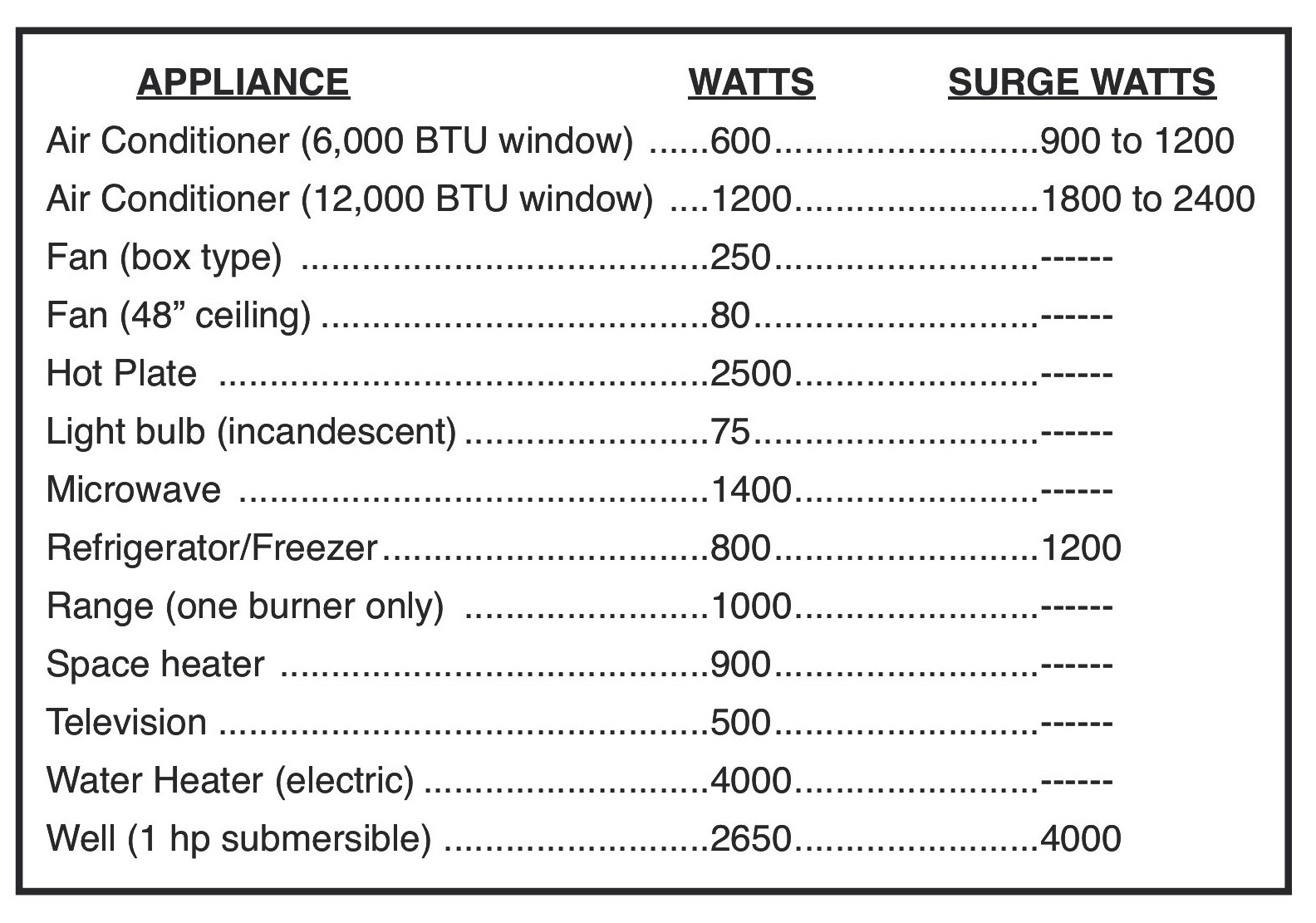
How Many Watts To Run A Portable Air Conditioner -
Look for ENERGY STAR: This little blue label means the product meets strict energy-efficiency guidelines set by the EPA. It's a good sign you're getting a unit that won't break the bank.
-
Maintenance Matters: Seriously, clean your filters regularly. Schedule professional check-ups. It keeps your AC running smoothly and efficiently, meaning fewer watts needed.
-
Mind Your Thermostat: Every degree you lower your thermostat requires more energy. Try to find a comfortable balance. A smart thermostat can help optimize this for you.
So, the next time you feel that glorious blast of cold air, you'll know a little more about the powerful watts behind it. Understanding this isn't just about numbers; it's about being in control of your comfort, your energy bill, and your peace of mind. Stay cool, stay smart, and keep those watts in check!