
How Many Watts To Power A Tv
Imagine a little magic box that can transport you anywhere. It brings bustling cities, quiet forests, and thrilling adventures right into your living room. That, in essence, is your television!
From epic movie nights to catching up on your favorite binge-worthy series, the TV is a constant source of entertainment. It connects us to stories, laughter, and sometimes, even the news of the world. But how does all this magic happen?
The Power Behind the Picture
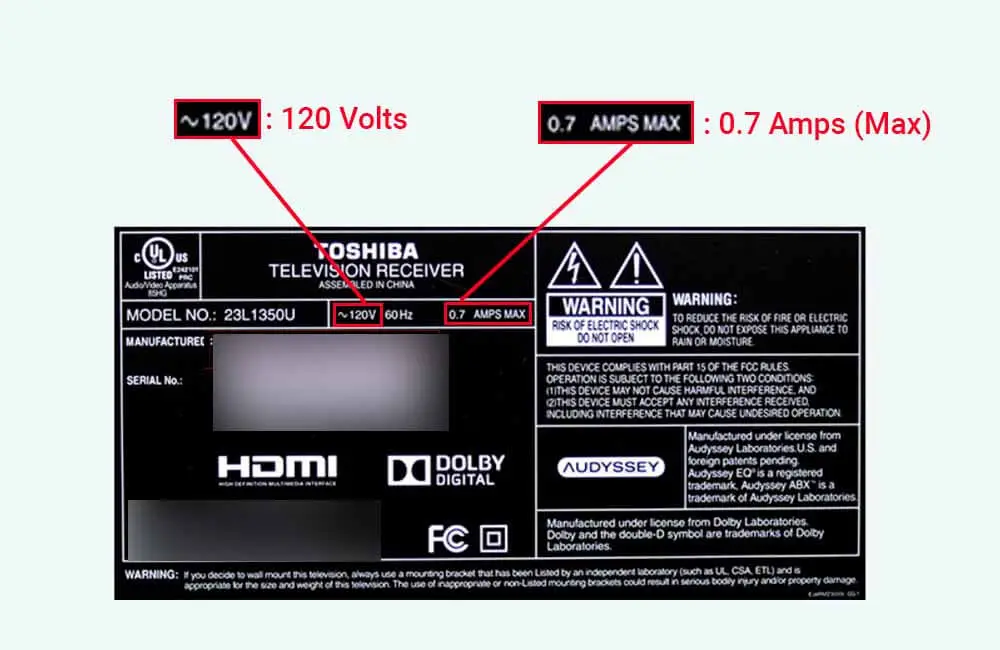
Every amazing electrical gadget needs a bit of juice to work its wonders. Your TV is no exception, happily sipping electricity to create those vibrant images and crisp sounds. We measure this "sip" in units called watts.
Must Read
Thinking about watts might sound a bit technical, but it's really about the energy your TV uses. It’s like the fuel that keeps your entertainment engine running smoothly. Understanding it can be surprisingly simple and even a little fun!
Modern Marvels: Efficiency is Key
Remember those big, bulky TVs from years ago? They were fantastic for their time, but they were quite hungry for power. Today's TVs are sleek, sophisticated, and much more energy-efficient.
Thanks to incredible advances in technology, modern TVs do more with less. They deliver stunning visuals and immersive sound while being far kinder to your electricity bill and the environment. It's a win-win for everyone!
This efficiency means you can enjoy hours of your favorite content with peace of mind. Whether it's a dramatic film or an exciting sports match, your TV is working smarter, not just harder.
What Influences Your TV's Power Use?
Not all TVs use the same amount of power, and even your viewing habits play a role. A few key factors determine how many watts your TV sips. Understanding these helps you be a smart viewer.
Screen Size and Technology
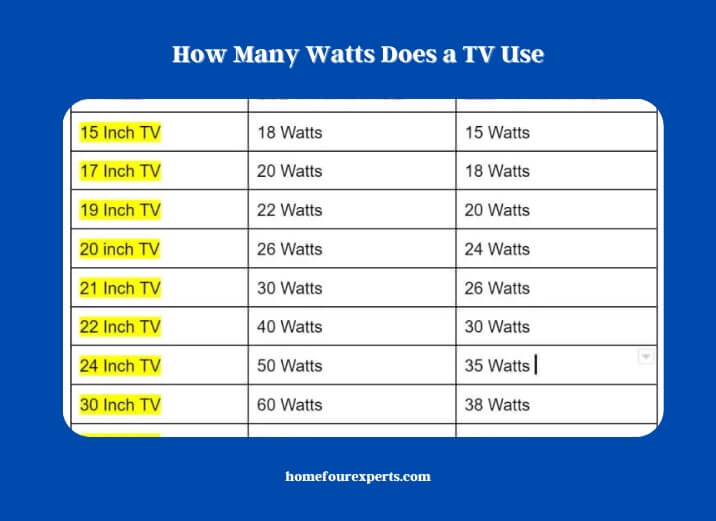
It probably won't surprise you that a bigger TV screen generally needs more power. A larger display has more pixels to light up, requiring a bit more energy to make everything sparkle. So, your giant home cinema setup will naturally use more watts than a smaller bedroom TV.
Then there's the underlying screen technology. Most common today are LED TVs, which are very efficient. They use tiny Light Emitting Diodes to illuminate the screen, providing bright pictures with relatively low power consumption.
Another popular choice is OLED technology. These screens are remarkable because each pixel generates its own light. This allows for incredible contrast and deep blacks, often with unique power consumption characteristics. An OLED TV might use less power when displaying very dark scenes.
This means that the type of TV you own, whether it's an LED or OLED, plays a significant part. Each offers a different visual experience and a different energy footprint. It’s all part of the TV tech adventure!
Brightness and Content
Think about how bright your TV screen is set. Cranking up the brightness slider makes everything pop, but it also asks your TV to work harder. This extra effort translates directly into more watts being used.
Watching a vivid, brightly colored cartoon might use more power than a dark, moody drama. The more your TV's pixels are glowing at full intensity, the more energy they need. It's a delicate balance between a dazzling picture and efficient power use.
Why Does Knowing About Watts Matter?
You might be wondering why we even bother with this "watts" talk. Well, it's not just for the tech-savvy; it actually affects a couple of important things in your everyday life.
Your Wallet and the Planet
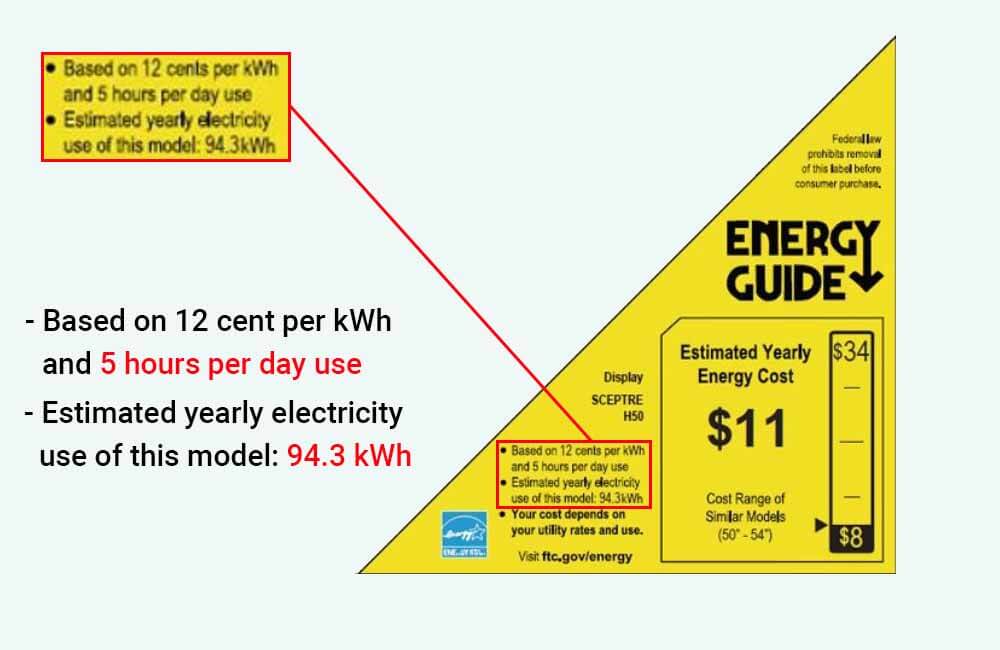
Firstly, knowing your TV's power usage can impact your electricity bill. A TV that sips fewer watts means less money spent on power each month. Who doesn't love saving a bit of cash while still enjoying their favorite shows?
Secondly, it’s about being a good global citizen. Reducing energy consumption helps lower our collective carbon footprint, contributing to a healthier planet. Every little bit of energy saved, from your TV to your lights, makes a difference.
So, understanding the humble watt is a practical step towards smart living. It helps you make informed choices, benefitting both your budget and our shared environment.
The Enduring Joy of Television
Despite all this talk of technicalities, let's circle back to the real magic: the entertainment. Your TV is more than just a power consumer; it's a gateway to countless worlds and experiences.
It’s where families gather for movie nights, sharing popcorn and laughter. It’s where friends cheer on their favorite team during an intense championship game. It’s where you unwind after a long day, getting lost in a captivating story or a hilarious comedy.
The sheer variety of content available today is astonishing. From breathtaking nature documentaries to gripping dramas and lighthearted cartoons, there’s truly something for everyone. And all this incredible access is powered by those seemingly simple watts.
It's a small, consistent energy draw for an immeasurable amount of joy and connection. The feeling of being completely immersed in a story or event is truly priceless, reminding us why TVs hold such a special place in our homes.
Smart TVs: More Features, Slight Sips
Today, most new TVs are "smart TVs." This means they connect to your home's internet, unlocking a whole new universe of entertainment. Imagine instant access to streaming services like Netflix, Hulu, or Disney+ right from your remote!
These smart features, while incredibly convenient, do add a tiny bit to the TV's power consumption. The internal processor and Wi-Fi module need a small amount of energy to keep everything running smoothly.
Even when your smart TV is "off," it might be in a low-power standby mode. This allows it to quickly turn on or download updates in the background. It's a small trade-off for the convenience of instantly jumping into your next viewing adventure.
Old vs. New: A Power Showdown
It's truly remarkable how far TV technology has come. If you compare a modern flat-screen TV to those chunky old cathode ray tube (CRT) models, the difference in power usage is huge.
Older CRT TVs often used significantly more watts. Their display technology required more raw power to generate images. Modern LED and OLED screens are a marvel of efficiency by comparison.
It's like comparing an old, gas-guzzling car to a sleek, modern hybrid. Both get you to your destination, but one is much more thoughtful about its fuel consumption. This technological leap has made our TV entertainment both more vibrant and more sustainable.
Tips for a Power-Smart TV Experience
Want to be even smarter about your TV's power use without sacrificing any of the fun? Here are a few easy tricks you can use every day. These small habits can make a surprising difference over time.
First, consider your screen brightness. Many people have their TV brightness set higher than needed, especially in a dimly lit room. Try adjusting it down a notch or two; you might not even notice the difference in picture quality, but your TV will thank you with fewer watts.
Second, look for "eco mode" or "power-saving" settings in your TV's menu. Most modern TVs come with these built-in features. Activating them will automatically optimize various settings to reduce energy consumption, often without you having to do a thing.

Finally, when you're going away for an extended period, consider unplugging your TV. Even in standby mode, it uses a tiny trickle of power.
"A TV that’s completely disconnected uses zero watts – it's like a mini-vacation for your electrical outlet!"
These simple actions help ensure your TV is not only a fantastic source of entertainment but also a responsible energy user. It's all about enjoying your screen time wisely.
The Future of TV Power
What’s next for TV technology and power efficiency? Engineers and designers are constantly innovating. We can expect even more efficient displays in the future.
Imagine TVs that are even thinner, brighter, and consume even less power than they do today! The goal is to maximize your viewing pleasure while minimizing the environmental impact. The future of TV looks bright, and wonderfully energy-conscious.
Enjoy the Magic!
So, while it's interesting to know how many watts your TV sips, don't let it overshadow the incredible joy it brings. Your television is a central part of modern life, offering a window to endless stories and experiences.
It’s a place for learning, laughing, and sharing moments with loved ones. It reminds us that even everyday objects can hold a special kind of magic.
So go ahead, settle in, grab some snacks, and enjoy whatever captivating content your TV is ready to show you. It’s truly a special piece of everyday enchantment, powered by those little, hardworking watts.