How Many Watts To Power A House
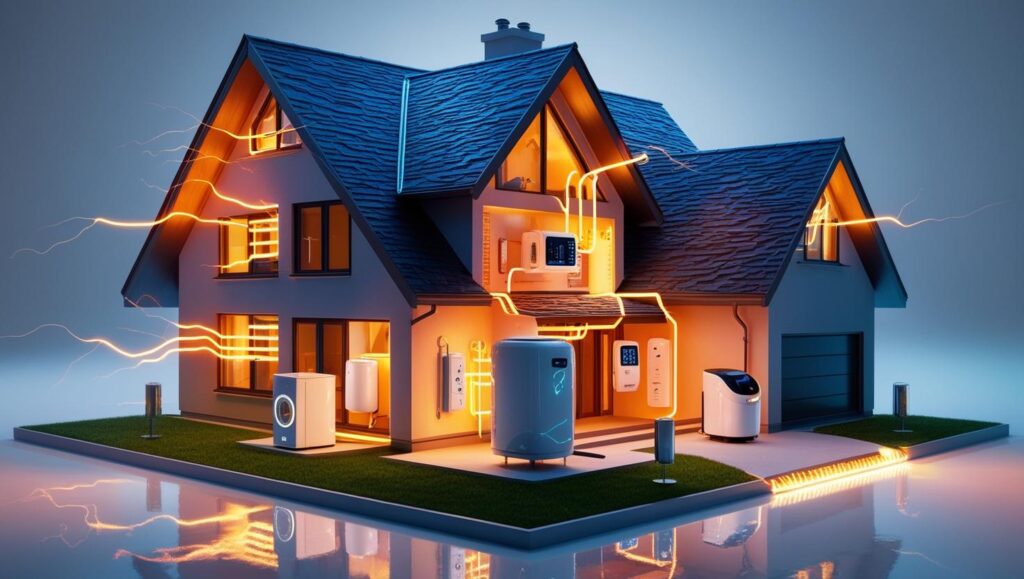
Have you ever paused, mid-scroll or mid-brew, and wondered about the invisible river of energy flowing through your home? It’s a bit like living in a magic castle, where lights pop on, music plays, and your coffee brews with seemingly no effort. But behind every flip of a switch is a fascinating, understandable dance of electrons, and at the heart of it lies a simple question: How many watts does it take to power a house? This isn't just for electricians; it's a wonderfully accessible mystery waiting to be solved, offering a surprisingly creative and empowering journey into the heart of your dwelling!
For the curious soul, the practical hobbyist, or even the aspiring artist designing their dream studio, understanding your home's wattage offers a bounty of benefits. For the casual learner, it’s about gaining control and clarity over your utility bill, unmasking those mysterious kWh numbers, and discovering simple ways to save money. For hobbyists, it’s crucial for planning a workshop, ensuring your power tools have enough juice without tripping a breaker, or even envisioning an off-grid cabin. And for the creative mind? Imagine designing an energy-efficient smart home, creating an interactive art piece that monitors its own power consumption, or simply understanding the energy footprint of your creative space. It’s about more than just numbers; it’s about conscious living and smart creation.
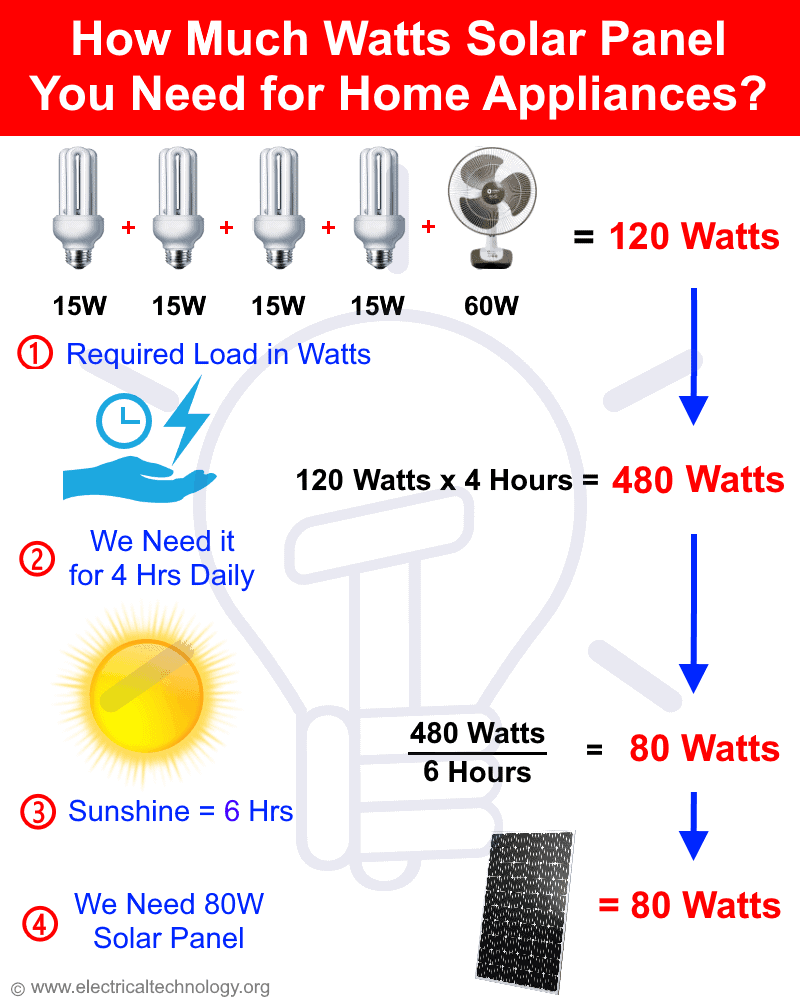
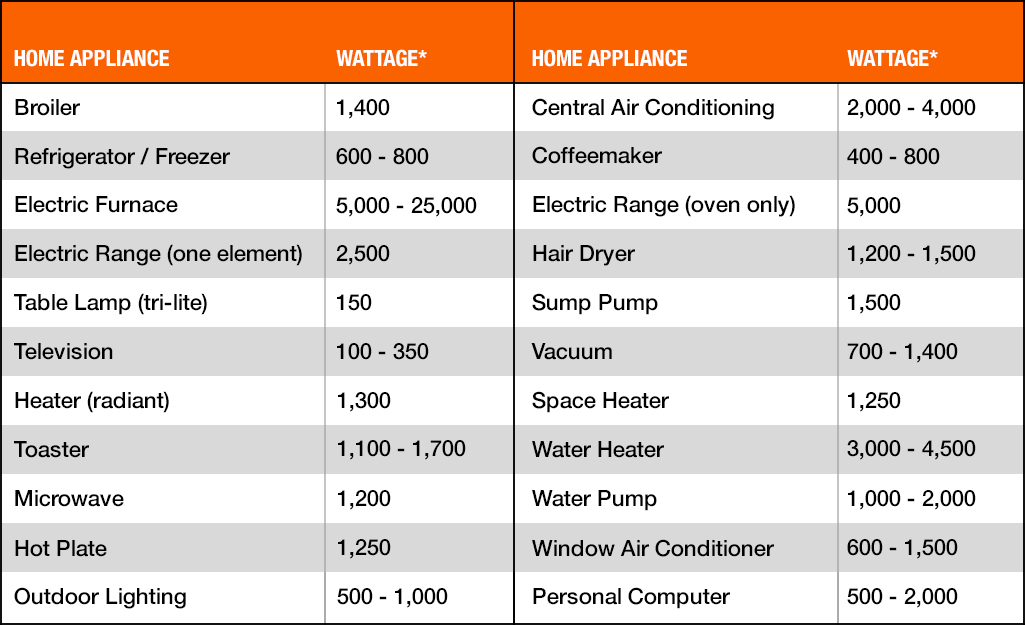
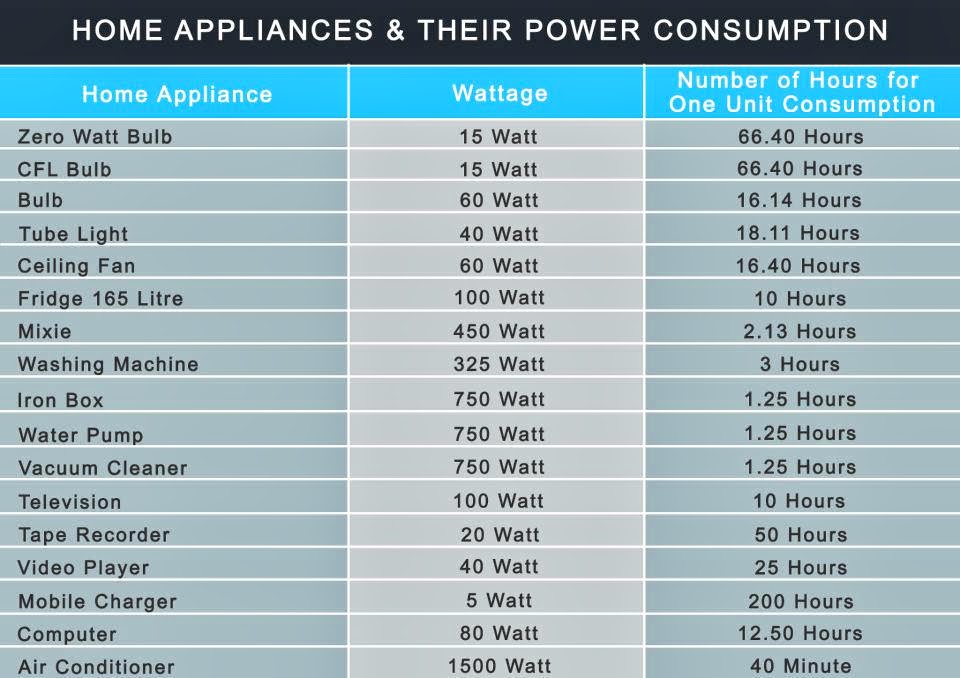
So, what does this adventure look like in practice? It varies! You might start with a broad strokes estimate – knowing that an average small home might hover around 1,000-3,000 watts of continuous usage, while a larger household with all the modern conveniences could easily hit 5,000-10,000+ watts during peak times. Or you could dive into micro-level detective work: calculating the specific wattage of your gaming PC, your espresso machine, or your beloved hairdryer. This understanding also extends to planning for the future: sizing a solar array, installing an electric vehicle charger, or even picking the right generator for emergency backup. Each scenario is a different puzzle, revealing the unique energy personality of your home.
Must Read
Ready to become your own energy detective? It’s easier than you think! Start by getting a Kill A Watt meter (they’re affordable and fascinating!) to measure individual appliance usage. Simply plug it into the wall, then plug your appliance into it, and watch the watts appear! Next, take a peek at the labels on your larger appliances – refrigerators, washing machines, microwaves – they often list their wattage. Don't forget to consider that many appliances don't run at their peak wattage constantly; a fridge cycles on and off, for instance. Finally, look at your electricity bill to see your total kilowatt-hour (kWh) consumption over a month, then use online calculators to estimate your average daily wattage. Remember, safety first; always consult a professional for anything beyond simple plug-in measurements.
Ultimately, delving into the world of watts isn't just about saving a few bucks or being environmentally responsible (though those are wonderful perks!). It’s about the sheer enjoyment of understanding. It’s the satisfaction of demystifying something that felt opaque, the empowerment of making informed choices, and the quiet pride of knowing your home's energy story. So, go ahead, embrace your inner energy explorer – your home’s invisible hum is waiting to share its secrets!