How Many Watts Power A House
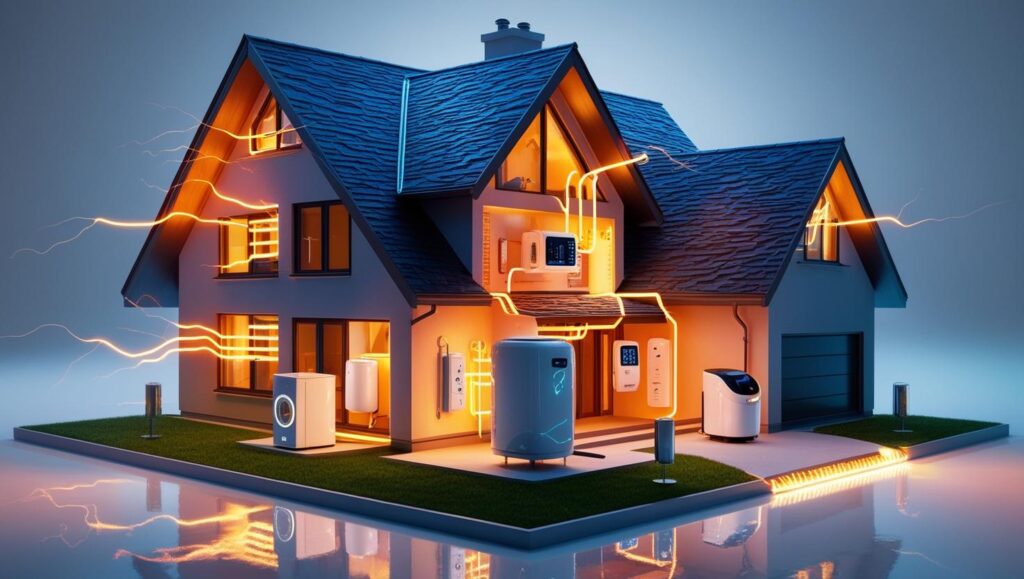
Ever wondered, truly, deeply, how many watts power a house? It’s a question that probably pops into your head right after you’ve tripped a breaker, or perhaps when contemplating the sheer wizardry of a warm slice of toast appearing from a box. But here’s the thing: trying to pin down a single, definitive number for an entire home is a bit like trying to count the exact number of crumbs in your kitchen after making a sandwich. It’s possible, perhaps, but also a little bit… pointless, for most of us.
Let’s be honest. For the average person, the term "watts" lives in a hazy corner of our brain, right next to "ohms" and "amperes." We know they’re important. We know they make our gadgets go. But beyond that? It’s a bit of a mystery. We happily plug in our monstrous hair dryer, our always-on fridge, and that gaming console that hums like a tiny, electrified dragon, without giving a single watt a second thought. Until, that is, the lights flicker.
The Great Watt Wild Goose Chase
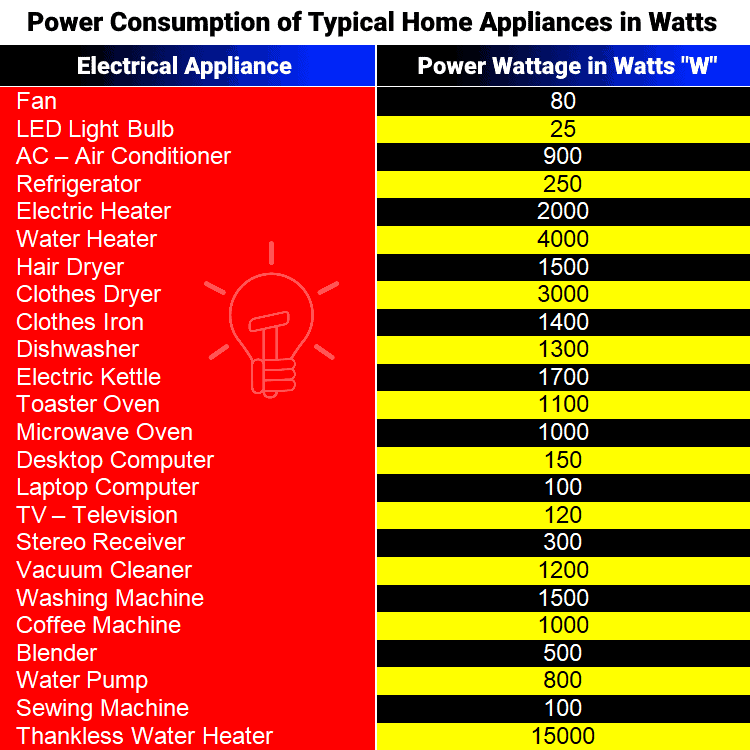
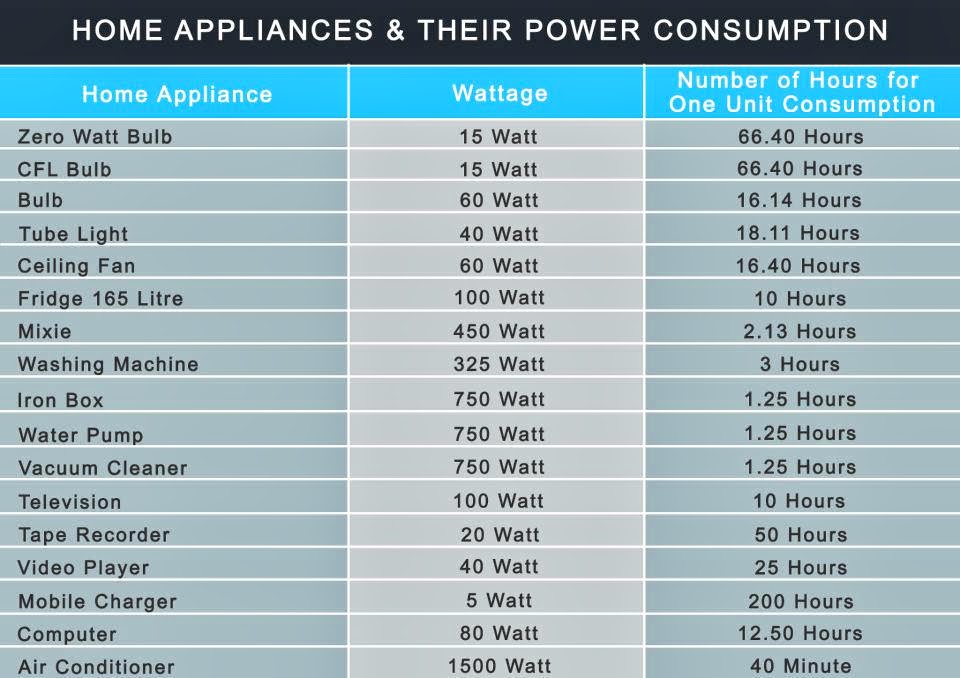
Imagine trying to add up every single watt in your house. You’d start with the big hitters: the refrigerator (always chugging along), the oven (a temporary but mighty power hog), the washing machine (a rumbling beast). Then you move to the medium-sized contenders: the microwave, the toaster, the television that’s probably on more than it’s off. And don't forget the dozens of smaller things: phone chargers multiplying like rabbits, smart speakers listening intently, the blinking lights on every dormant appliance. It’s an electrical circus, a continuous, ever-changing dance of energy.
Must Read
"Asking for a single 'watt number' for a house is like asking for the exact number of moods your teenager will have in a day. It varies wildly, depends entirely on what's active, and is frankly, a bit too much to keep track of."
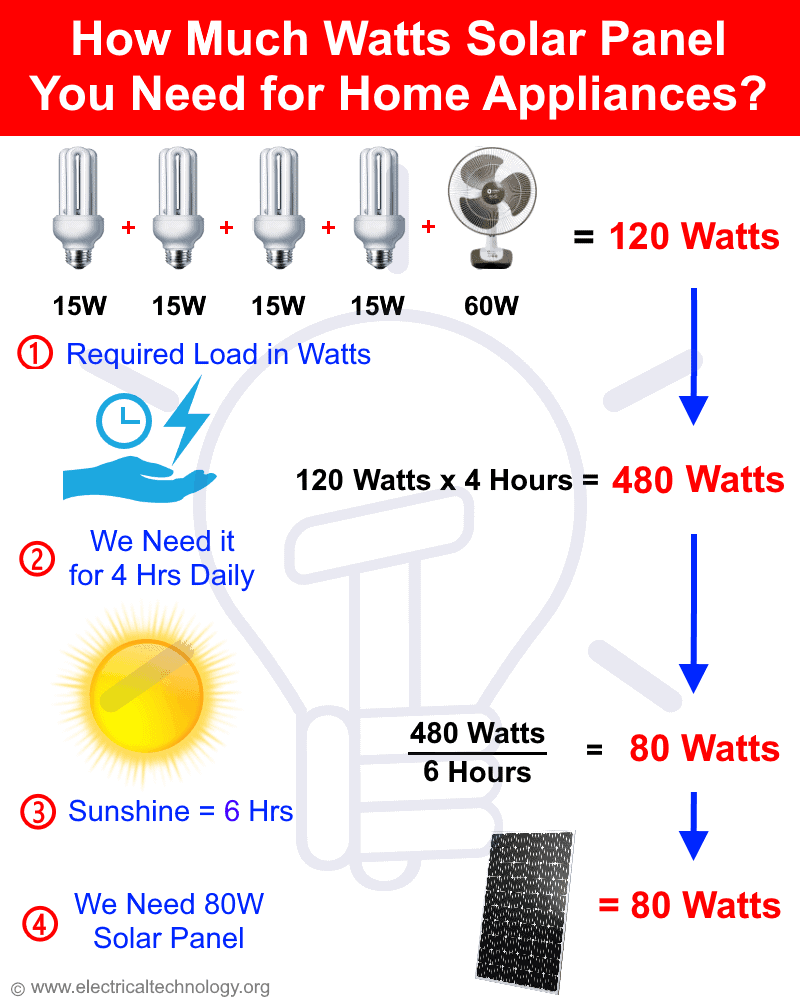
See? It’s not just one number. It’s an orchestra of numbers, some playing loudly, some humming softly in the background. Your house isn't a single appliance with a fixed wattage sticker on it. It’s a dynamic, living entity, constantly adjusting its energy appetite based on whether you're making coffee, vacuuming, or just enjoying a quiet evening with a single lamp on. The power demand shifts more often than your socks go missing in the laundry.
The True Power Grid: Comfort and Convenience
Perhaps my slightly unpopular opinion is this: the question isn't really "how many watts power a house?" The more interesting question, the one that truly matters for our daily lives, is how many watts make us feel comfortable, entertained, and well-fed? Because that's what we're actually paying for. We're not paying for watts; we're paying for the ability to blend a smoothie, stream a movie, and charge our phone so we can scroll through cat videos at 2 AM.
The real power of your house isn't a number you can write down. It's the warmth from the heater on a cold morning. It's the comforting hum of the dishwasher tackling last night's dinner. It's the bright light over the kitchen counter as you bake. These are the moments where watts cease to be an abstract measurement and become the very fabric of our modern lives. They are the unseen forces that bring ease and delight to our daily routines.
You’re the Ultimate Power Source
So, if you ask me, the definitive answer to "how many watts power a house?" is: just enough. Just enough for whatever you happen to be doing at that precise moment. And in a wonderfully ironic twist, you are the one pulling the strings. You decide when the kettle boils, when the hairdryer roars, when the lights dim for movie night. You are the ultimate conductor of this electrical symphony. You, dear reader, are the real power behind the house.
So next time you reach for that light switch, or plug in your phone, give a little nod to the humble watt. Don't worry about counting them all. Just appreciate the magic they bring. Because while a precise number might be elusive, the comfort and convenience they deliver are undeniably, powerfully, present. And isn't that what truly counts?