
How Many Watts Per Solar Panel
Okay, picture this. It was a scorching summer afternoon, the kind where even your ice cubes were sweating. My AC was blasting, bless its heart, trying its best to turn my living room into an igloo. Then, the inevitable happened: my electricity bill landed in my inbox. I opened it, my eyes widened, and a small, almost imperceptible "eep!" escaped my lips. It was… substantial. Like, "I could buy a small island with this" substantial. That’s when the little lightbulb (powered by expensive grid electricity, mind you) went off above my head: "Solar. I need solar."
But then came the next hurdle, the one that makes everyone scratch their head and probably Google a thousand variations of the same question: how much power does one of those shiny rectangles actually make? And that, my friends, brings us to the million-dollar (or rather, kilowatt-hour) question: How many watts per solar panel?
The Wattage Wonderland: Not All Panels Are Created Equal
Let’s be real, you’re not alone if you thought all solar panels were just… solar panels. Like, they all just do their solar thing, right? Wrong! It’s actually a pretty fascinating world of numbers and tech. Think of watts like the engine size of a car. A bigger engine (more watts) means more raw power output. For solar panels, it’s about how much electricity it can churn out under ideal conditions.
Must Read
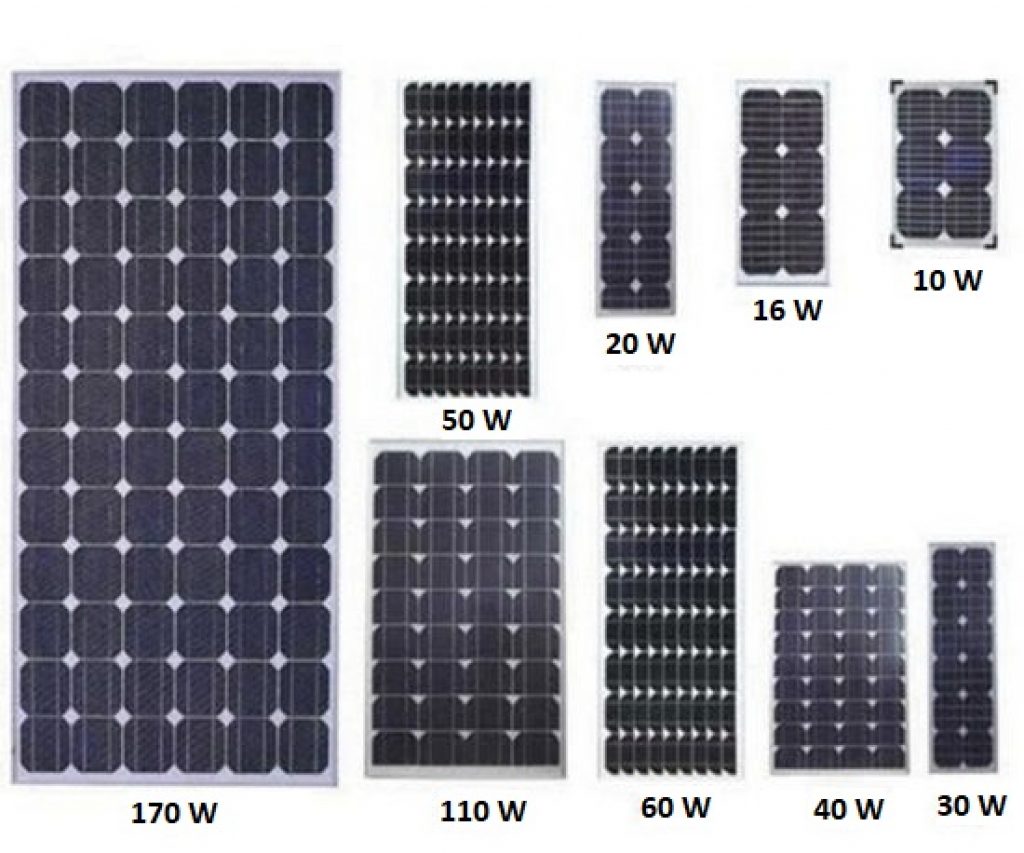
Generally speaking, for most residential homes, you’re looking at panels anywhere from 250 watts to over 400 watts these days. Yep, quite a range, right? A few years ago, 250W was pretty standard. Now, panels pushing 400W or even 450W are becoming more common. It’s like tech, always evolving!
What Factors Play into Those Watts?
You’re probably thinking, "Okay, so why such a difference?" Well, it’s not just magic dust, although sometimes it feels like it. It boils down to a few key players:

Physical Size: This one's a no-brainer. A bigger panel usually has more surface area to capture sunlight, thus more potential for watts. But beware, "bigger" doesn't always mean "better" for your specific roof.
Efficiency: This is the superstar factor. Efficiency tells you how good a panel is at converting sunlight into usable electricity. If a panel is 20% efficient, it means 20% of the sunlight hitting it gets turned into power. The higher the efficiency, the more watts you get out of the same physical footprint. Modern panels typically range from 17% to 22% or even higher. This is where the real wizardry happens!

How Many Solar Panels Do I Need?: Calculate Your Energy Need | Angi Technology: Monocrystalline panels (the sleek, dark ones) are generally more efficient and thus higher wattage than their older, polycrystalline cousins (the ones that look a bit more mottled blue). There are also thin-film panels, but those are less common for residential roofs. It’s like comparing a high-performance sports car to a reliable sedan – both get you where you need to go, but one’s got a bit more oomph.
Brand and Quality: Just like anything else, some brands are simply better at consistently producing high-quality, high-wattage panels that perform well over time. You often get what you pay for!
Why Does This Wattage Whatchamacallit Matter to YOU?
Alright, so you know panels have different wattages. Big deal, right? Actually, it’s a HUGE deal for a few reasons:
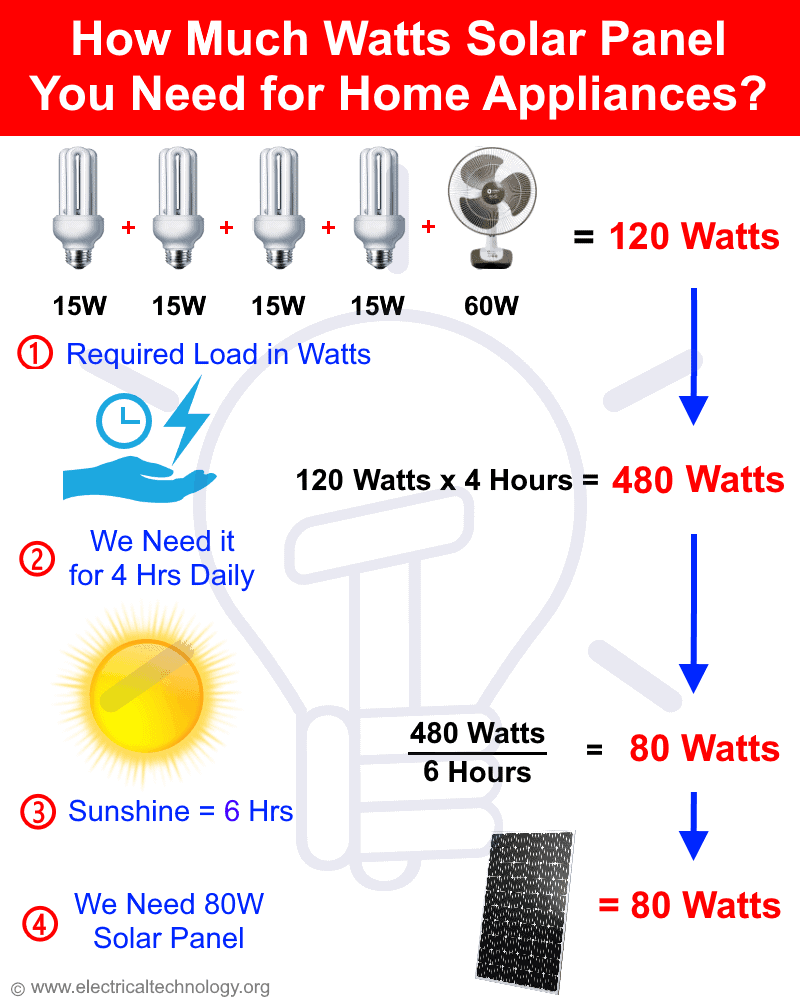
Roof Space: If you have a smaller roof, you’ll want higher wattage, more efficient panels. Why? Because you can fit fewer panels, so each one needs to pull its weight (or its watts!) to meet your energy needs. More watts per panel means you need fewer panels to hit your target energy production. Clever, huh?
Your Energy Needs: Are you a casual energy user, or do you run a server farm in your basement? (No judgment, just curious!) Your average daily electricity consumption will dictate how many total watts your entire solar system needs to generate. Knowing the wattage of individual panels helps calculate how many panels you’ll need.
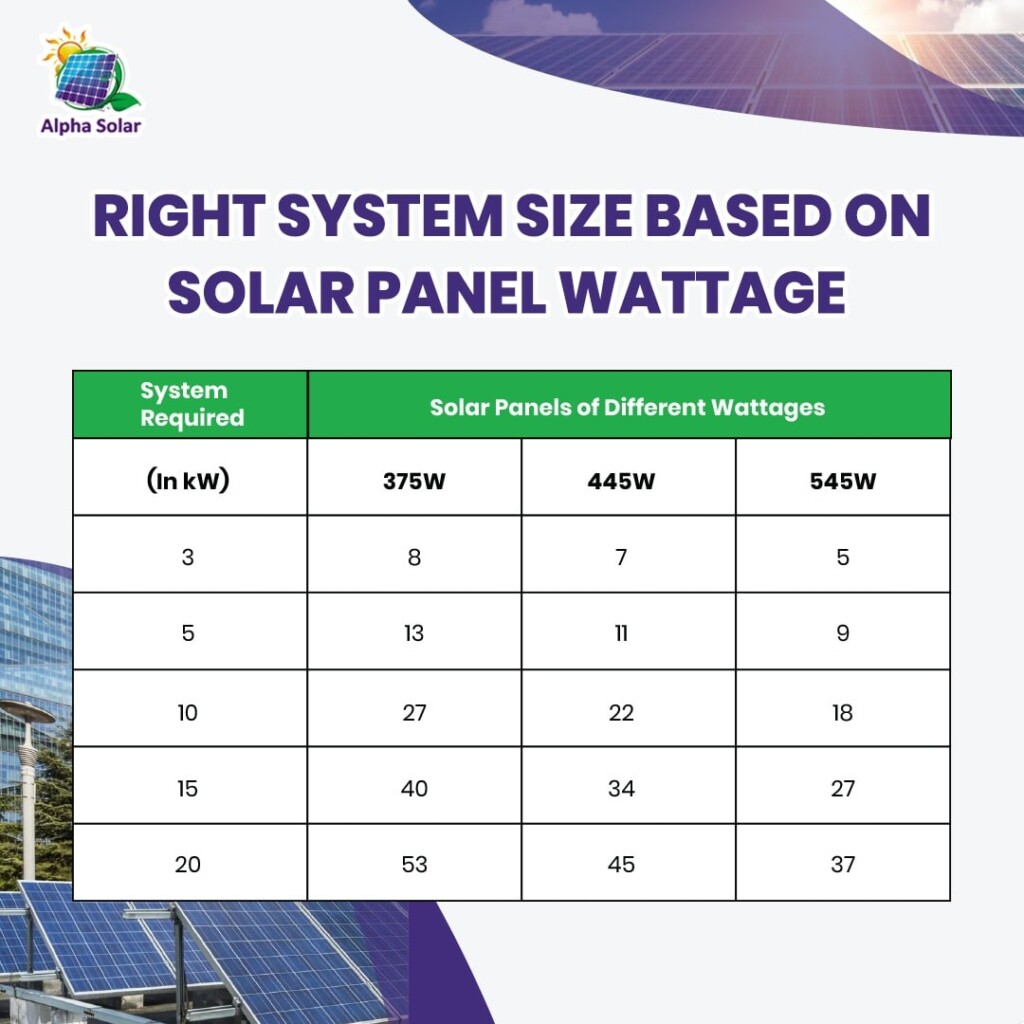
How Many Solar Panel Watts For 12V Battery at Ruth Cottrell blog Cost: Generally, higher wattage panels (especially those with higher efficiency) might have a higher upfront cost per panel. However, because you need fewer of them, your installation costs might be lower. It's a balancing act, like trying to pick between extra toppings on your pizza or saving that money for another pizza altogether.
The Takeaway for Your Solar Journey
So, what’s the big takeaway from all this wattage talk? It’s not about fixating on a single number. It’s about understanding that solar panel wattage is a variable, not a constant. It’s a critical piece of the puzzle that, along with efficiency, physical size, and your specific energy consumption, helps determine the ideal solar setup for your home.
Don’t get hung up on just getting the "most watts." Instead, focus on finding the right balance for your budget, your roof, and your energy goals. The best thing you can do? Talk to a reputable solar installer. They’ll assess your roof, look at your energy bills (mine probably gave them a good chuckle), and design a system that maximizes your sunshine potential. Trust me, they speak fluent "watts," and they’ll help you translate it into real savings and a greener footprint. And maybe, just maybe, prevent another "eep!" moment when that electricity bill arrives.