How Many Watts Of Solar Panels To Run A House
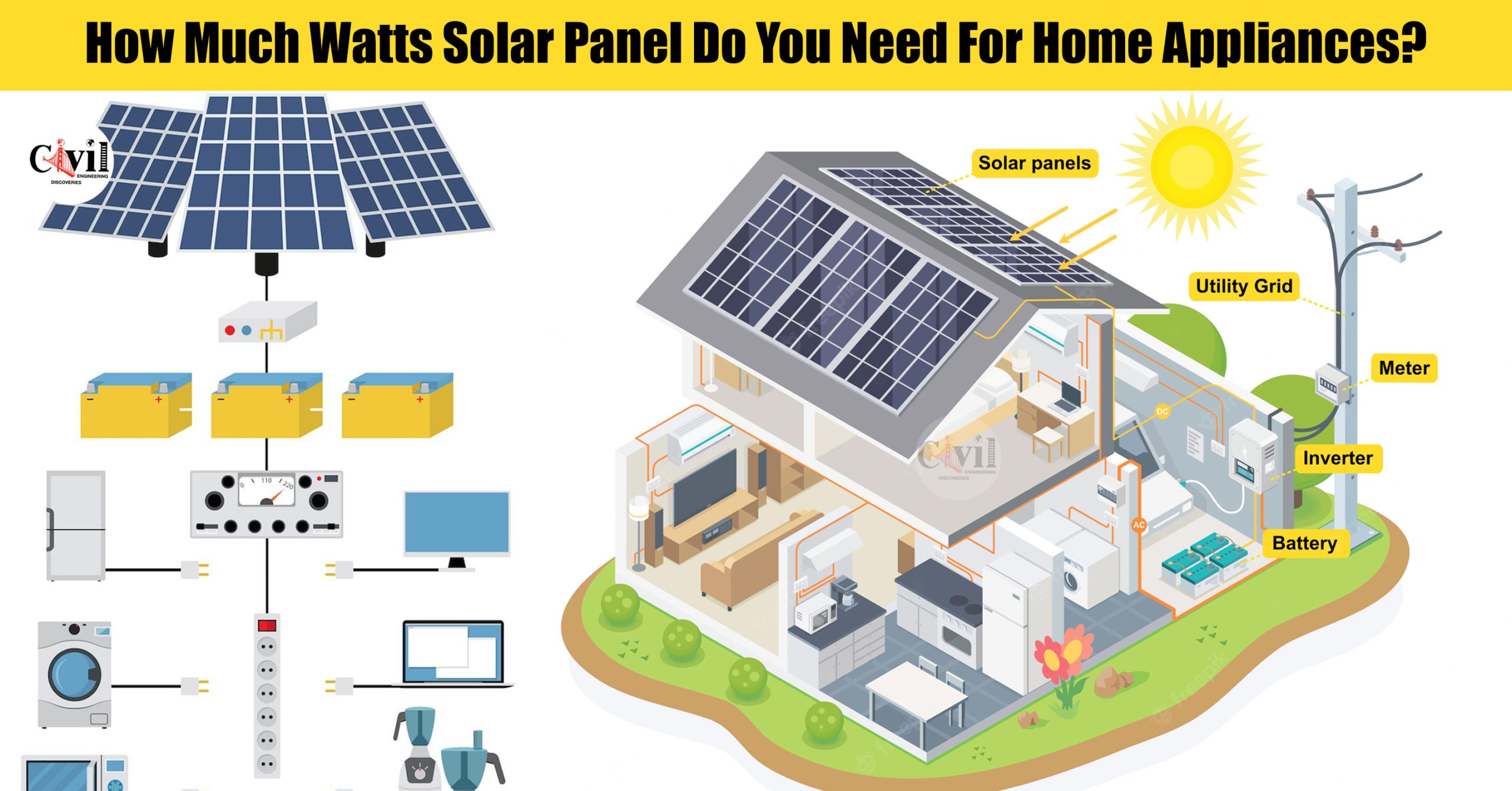
Thinking about powering your home with the sun? It's an exciting idea, isn't it? Imagine ditching (or at least reducing) your electricity bill and contributing to a greener planet. Figuring out how many solar panels you need to make that happen might seem daunting, but trust me, it's more approachable than you think! Let's break down the basics of how many watts of solar panels you'll need to run your house.
Why is this so popular (and useful)? For beginners, the appeal is straightforward: save money on energy bills and reduce your carbon footprint. For families, solar panels offer a long-term investment in their home and a chance to teach their kids about sustainability. And for the hobbyists and DIY enthusiasts, it's a challenging and rewarding project that combines technology and environmental responsibility. Everyone benefits!
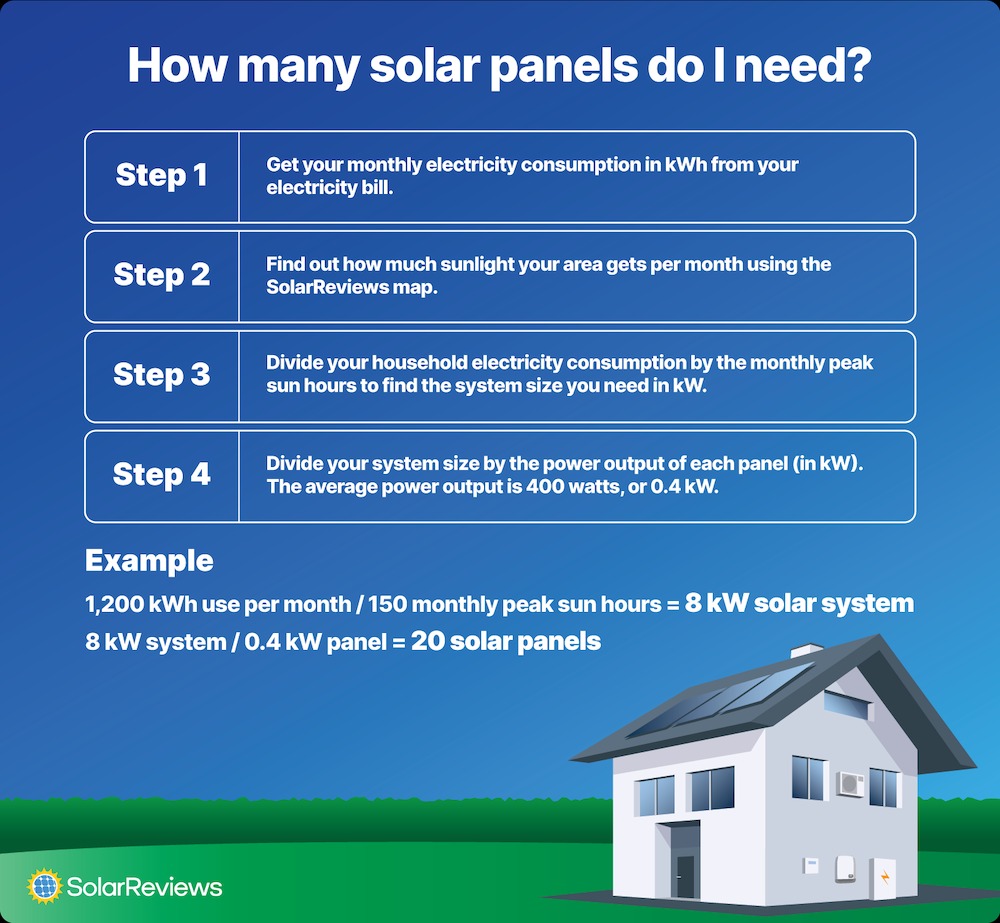
So, how many watts do you need? The answer, as you might suspect, is "it depends." It depends on your energy consumption. The first step is to look at your past electricity bills. Find your average monthly kilowatt-hour (kWh) usage. Let's say you use 1000 kWh per month. That's your starting point.
Must Read
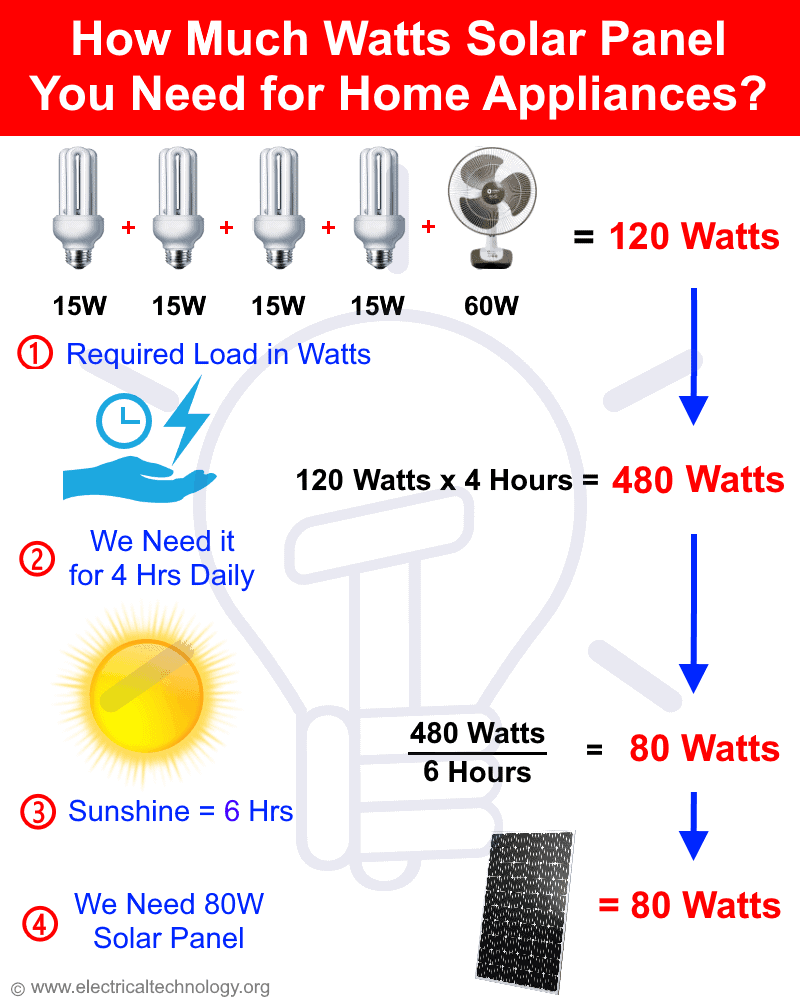
Now, let's convert that to daily usage: 1000 kWh/month ÷ 30 days/month ≈ 33.3 kWh/day. To figure out the solar panel wattage needed, we need to account for sunlight hours in your location. Sunlight hours vary dramatically depending on where you live. A sunny location like Arizona might get 6-7 peak sunlight hours per day, while a cloudier region might only get 3-4. Let's assume you get 5 peak sunlight hours per day.
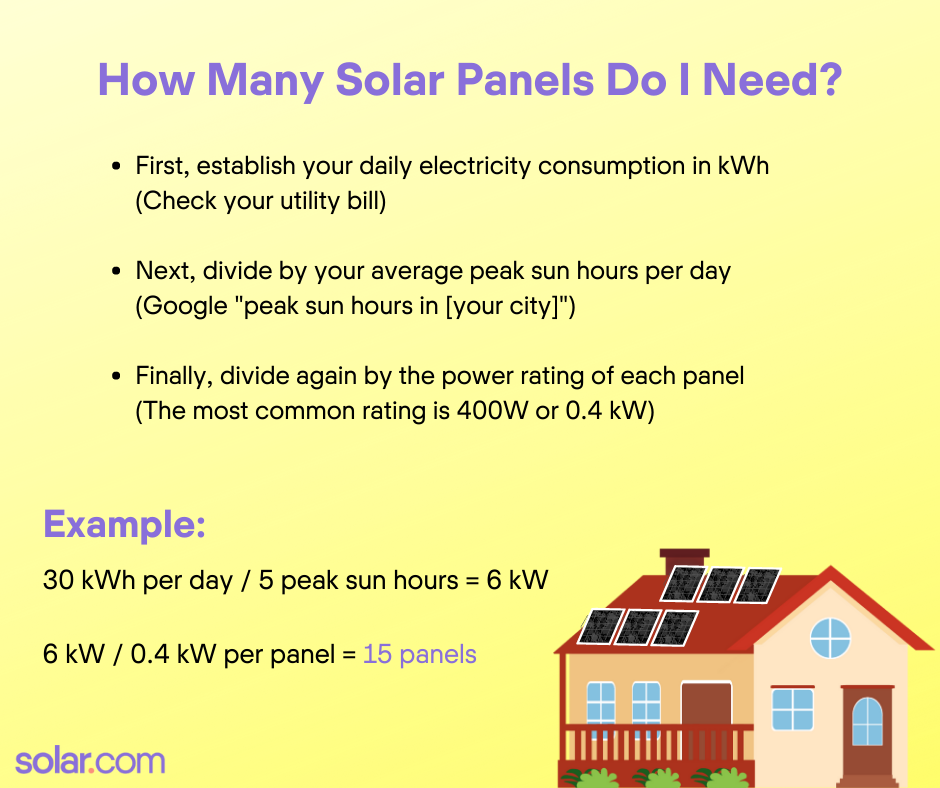
To calculate the necessary wattage, divide your daily energy consumption by the number of peak sunlight hours: 33.3 kWh/day ÷ 5 hours/day = 6.66 kW. That means you'd need a solar panel system that generates approximately 6.66 kilowatts (kW), or 6660 watts, to cover your energy needs. Keep in mind that this is a simplified calculation. You'll also need to factor in inefficiencies in the system (around 10-20%).
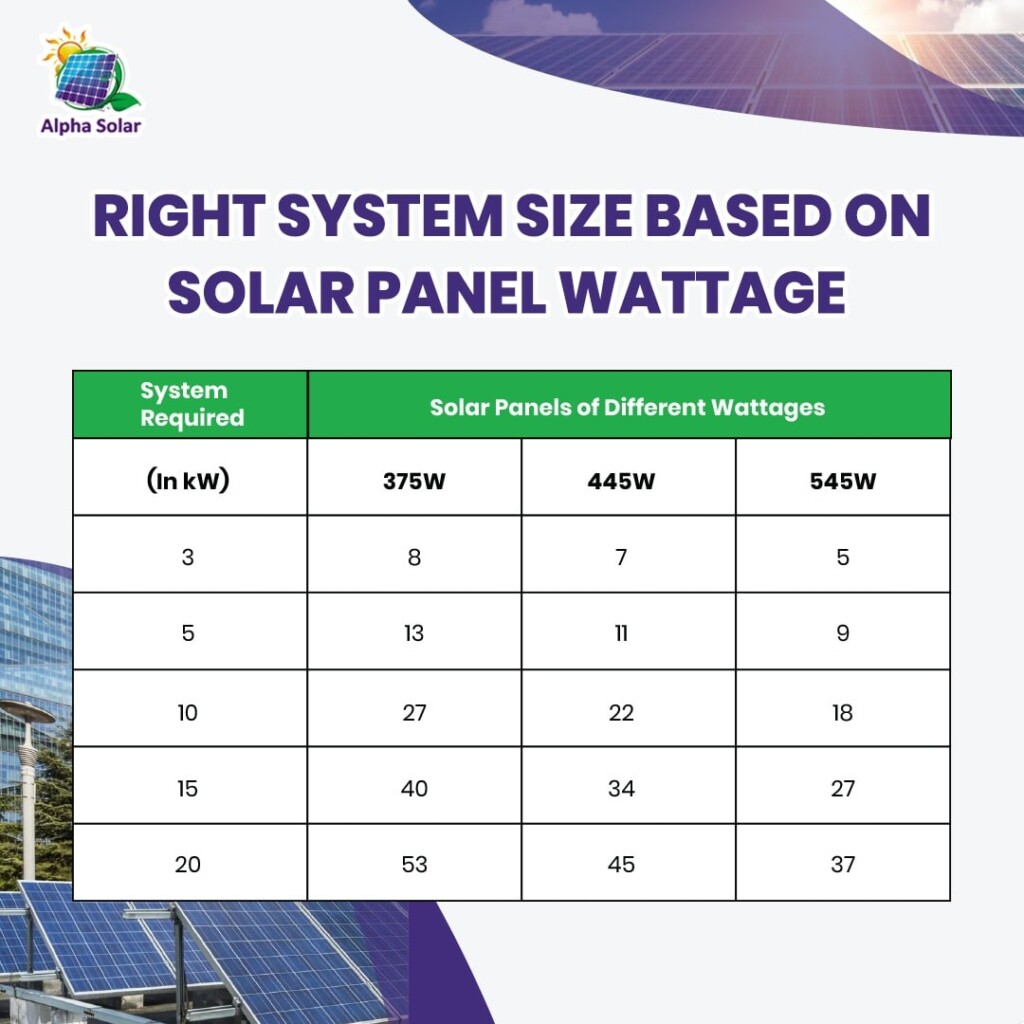
Examples and Variations: A smaller apartment might only need a 3kW system (around 10 panels), while a large family home could require a 10kW or larger system (30+ panels). Off-grid systems, where you're completely disconnected from the grid, require even more careful planning and often include battery storage to ensure power during cloudy days and at night.
Practical Tips to Get Started:
- Check your electricity bill: Find your average monthly kWh usage.
- Research sunlight hours in your area: Use online tools to find the average peak sunlight hours for your location.
- Get quotes from solar installers: Multiple quotes will help you compare prices and system designs.
- Consider your roof: Is it suitable for solar panels? Does it get enough sunlight?
- Look into incentives: Many governments offer tax credits and rebates for solar panel installations.
Exploring solar energy is an investment in the future and an opportunity to participate in something bigger than ourselves. Even if you start small with a few panels to power specific appliances, you're taking a positive step. The power of the sun is immense, and harnessing it for your home is both empowering and incredibly rewarding. So, dive in, do your research, and enjoy the journey towards a brighter, more sustainable future!