
How Many Watts Of Power Does A Refrigerator Use

Ever wondered how much juice your fridge is sucking up? It's like a silent, energy-guzzling beast in your kitchen. Let's dive into the electrifying world of refrigerator wattage!
The Watt's Up With Refrigerators?
Refrigerators, they're not just boxes that keep your snacks cool. They're actually pretty fascinating pieces of technology. They work tirelessly, 24/7, to keep your food fresh.
But how much power does this tireless work actually require? It’s time to demystify those watts!
Must Read
Finding the Wattage Sweet Spot
So, how many watts are we talking about? Well, it’s not a simple answer. It varies depending on a few factors.
Think of it like this: a tiny apartment fridge will sip power compared to a massive, side-by-side model. Size matters!
And age? Oh boy, that plays a huge role too! Older fridges can be serious energy hogs.
Size Matters: From Mini to Mammoth
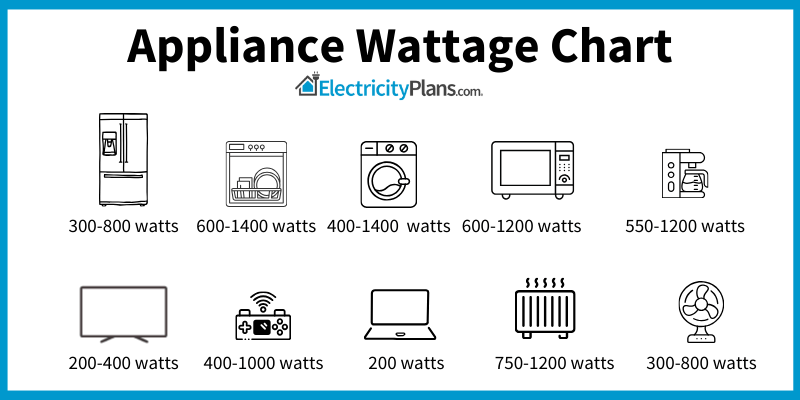
Let's break it down by size. A mini-fridge, perfect for dorm rooms or offices, might only use around 50 to 100 watts. Not bad, right?
A standard-sized refrigerator, the kind most families have, typically draws between 100 and 400 watts. See the range? It can vary quite a bit.
Then there are the big boys: the side-by-sides and French door models. These can easily pull 300 to 800 watts, or even more! They’re the SUVs of the refrigerator world.
Age is Just a Number (Except When It Comes to Wattage)
An old refrigerator is like a vintage car – cool looking, but maybe not the most efficient. Older models were built differently.
They often lack the energy-saving technology of newer fridges. This means they use significantly more power to do the same job.

Think of it this way: a fridge from the 1980s might use twice as many watts as a brand-new, energy-efficient model. Time for an upgrade?
Energy Efficiency: The Star of the Show
Enter the Energy Star label! This little symbol is your friend. It means the appliance meets certain energy efficiency guidelines.
Energy Star rated refrigerators are designed to use less power. This saves you money on your electricity bill and helps the environment too!
Look for that label when you're shopping for a new fridge. It's a surefire way to find a more efficient model.
The Startup Surge: Wattage Spikes
Here's a fun fact: refrigerators don't use a constant amount of power. They cycle on and off to maintain the temperature inside.
When the compressor kicks on, there's a brief surge of power. This is called the "startup wattage."
This surge can be significantly higher than the running wattage. It's like a little jolt of energy to get things going.
Calculating Your Fridge's Energy Consumption
Want to know exactly how much your fridge is costing you? You can do some simple math. You'll need a few pieces of information.
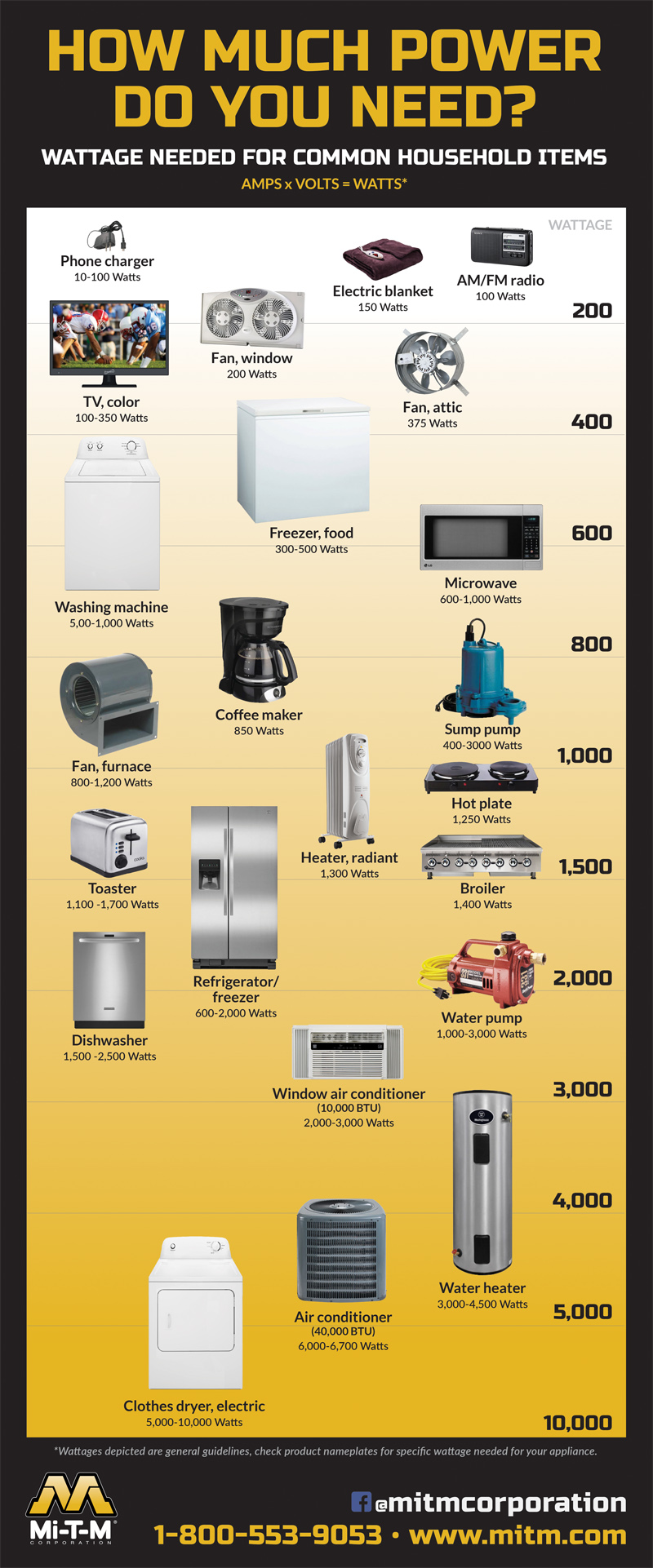
First, find the wattage of your refrigerator. This is usually listed on a sticker inside the fridge or in the owner's manual.
Then, estimate how many hours per day your fridge runs. Refrigerators don't run constantly; they cycle on and off. A good estimate is around 8-12 hours per day.
Next, multiply the wattage by the number of hours per day. This gives you the watt-hours per day. Divide by 1000 to get kilowatt-hours (kWh) per day.
Finally, multiply the kWh per day by the cost of electricity per kWh in your area. You can find this on your electricity bill. This gives you the daily cost of running your fridge.
Multiply that daily cost by 30 to get the monthly cost. Voila! You now know how much your fridge is costing you each month.
Tips for Saving Energy (and Money!)
Want to cut down on your refrigerator's energy consumption? Here are a few easy tips. These are simple changes that can make a big difference.
Make sure your refrigerator door seals tightly. A leaky seal lets cold air escape, forcing the fridge to work harder.
Clean the condenser coils regularly. These coils are usually located on the back or bottom of the fridge. Dust and dirt can make them less efficient.
Don't overcrowd your refrigerator. Proper airflow is important for keeping everything cool. Overcrowding can block the airflow and make the fridge work harder.
Avoid placing your refrigerator near heat sources. Ovens, dishwashers, and direct sunlight can all make the fridge work harder to stay cool.
Consider upgrading to an Energy Star certified model when it's time for a new refrigerator. The savings can really add up over time.
The Refrigerator: A Silent Power Player
So, how many watts does a refrigerator use? It depends, but now you have the knowledge to figure it out for your own fridge. You are now a wattage wizard!
From mini-fridges to massive side-by-sides, from vintage models to Energy Star champions, the world of refrigerator wattage is surprisingly interesting.
Next time you grab a cold drink from your fridge, take a moment to appreciate the technology that keeps your food fresh. And maybe give those coils a quick cleaning, just for good measure!
Frequently Asked Questions (FAQ)
Q: Does a fuller fridge use more energy?
Not necessarily! A fuller fridge can actually be more efficient because the food helps to maintain a consistent temperature. But don't overcrowd it!
Q: Is it better to keep my fridge on the coldest setting?
No, it's not. Keeping your fridge on the coldest setting will only waste energy. Set it to the recommended temperature: around 37-40°F (3-4°C).
Q: Should I unplug my fridge when I go on vacation?
If you're going to be gone for a long time and your fridge is empty, then yes, unplugging it can save energy. Just be sure to clean it out thoroughly first to prevent odors.
Q: How often should I defrost my freezer?
If you have a manual defrost freezer, you should defrost it whenever the frost buildup is more than ¼ inch thick. Frost buildup reduces efficiency.
Q: Can I recycle my old refrigerator?
Yes! Most appliance retailers and recycling centers will accept old refrigerators for recycling. They will safely dispose of the refrigerant and other components.
Beyond the Watts: The Refrigerator's Legacy
The refrigerator has revolutionized the way we live. It has made it possible to store food for longer periods of time, reducing waste and improving our diets. It's a true marvel of modern technology.
From its humble beginnings to its current state-of-the-art designs, the refrigerator has come a long way. And with each new innovation, it becomes more efficient and more essential to our lives.
So, the next time you open your refrigerator, take a moment to appreciate its impact on your life and the world. It's more than just a box that keeps your food cold; it's a symbol of progress and innovation.
Watt's Next? Future of Refrigerator Efficiency
What does the future hold for refrigerator efficiency? The possibilities are endless. Imagine refrigerators that use smart sensors to optimize cooling based on the contents inside.
Or refrigerators that communicate with your smart home to adjust energy consumption based on your habits and the weather outside. The future is bright (and energy-efficient!).
As technology continues to advance, we can expect to see even more innovative and energy-saving features in our refrigerators. So, stay tuned, and get ready for the next generation of cool!