
How Many Watts Is An Led Bulb
Alright, confession time: I once stood in the lightbulb aisle for what felt like an eternity, staring at a box that proudly declared "60W Equivalent LED" but then, in tiny print, said "Uses only 9 Watts." My brain pretty much short-circuited. Like, wait, is it 60 watts or 9 watts? Which one is it, bulb?! It felt like a riddle wrapped in an enigma, with a side of mild frustration. Sound familiar? You’re definitely not alone in this fluorescent-lit quandary.
For years, our relationship with light bulbs was simple: more watts meant more light. A 100-watt bulb was brighter than a 60-watt bulb, end of story. We bought bulbs based on their wattage, because that’s how we understood their brightness. It was a simpler time, wasn't it? Like flip phones and dialing up for internet. Ah, nostalgia!
What's the deal with watts and LEDs?
Well, my friend, those days are pretty much over. Welcome to the future, where watts are no longer the king of brightness, especially when it comes to LEDs. Think of it this way: comparing an old incandescent bulb's watts to an LED's watts is like comparing the fuel efficiency of a monster truck to a tiny electric car. Both move, but they use wildly different amounts of energy to do it.
Must Read
Traditional incandescent bulbs produced light by heating a tiny wire filament until it glowed. Most of the energy they consumed (their wattage) was wasted as heat, not light. That's why they got so darn hot! LEDs, on the other hand, produce light through a semiconductor process that's incredibly efficient. They convert most of their energy directly into light, with very little waste heat.
This is where the term lumens becomes your new best friend. Lumens measure the actual brightness of a light source, regardless of the technology used. It's the universal language of light. So, when you see "60W Equivalent LED," it means that LED bulb produces the same amount of light (the same lumens) as an old 60-watt incandescent bulb, but it does so using a fraction of the power.
So, how many watts DO they use?
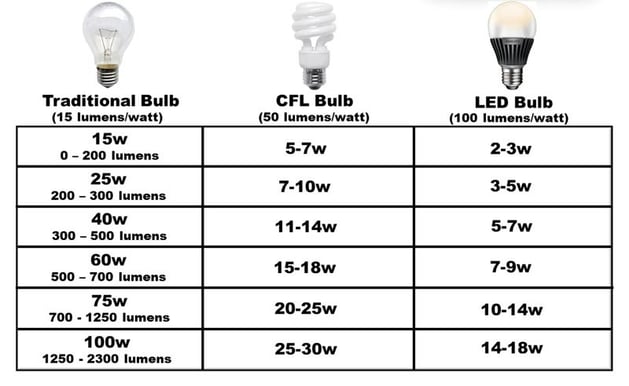
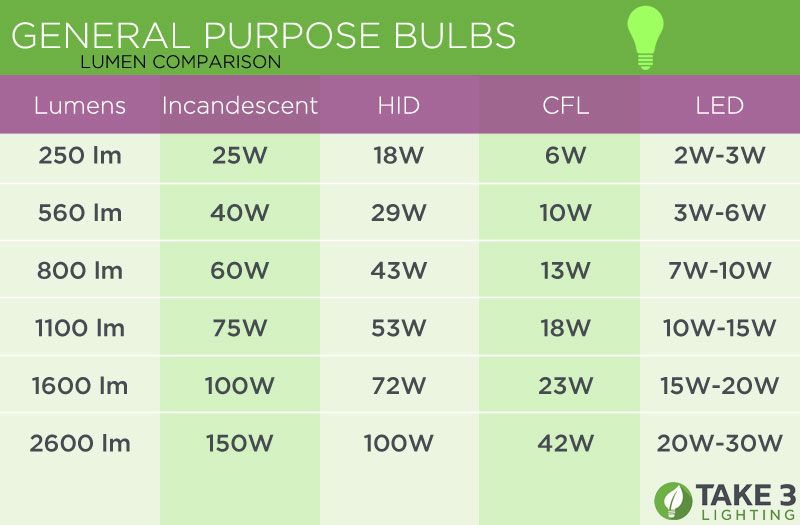
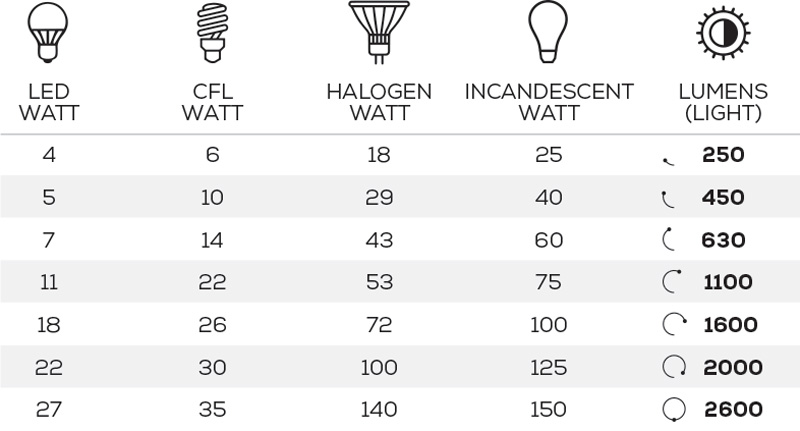
This is the fun part! Because LEDs are so efficient, they use dramatically fewer watts to achieve the same brightness. Let's look at some common approximations:
- A bulb that's equivalent to an old 40-watt incandescent typically uses around 4-6 watts as an LED.
- For a 60-watt equivalent, you're usually looking at an LED using just 8-12 watts. (See? My aisle dilemma had a simple answer!)
- Need something closer to a 75-watt equivalent? An LED will probably draw around 11-15 watts.
- And for a bright 100-watt equivalent? A mere 13-20 watts for an LED. Pretty wild, right?

What are lumens? How to measure light? How many watts a LED bulb
This variability depends on the specific bulb, its manufacturer, and its efficiency, but these ranges give you a solid idea. The key is to always check the packaging for the lumens output. If you want a bulb that feels like your old 60-watt, look for something in the 800-850 lumen range, and then note the ridiculously low wattage it actually consumes.
Why does this even matter, really?
Beyond solving my lightbulb aisle neurosis (and maybe yours!), understanding LED wattage has some awesome benefits:
1. Your Wallet Will Thank You: Seriously, this is where the magic happens. By using so few watts, LEDs slash your electricity bill. Imagine replacing all the bulbs in your home; the savings really add up over time. It’s like finding free money, but in your utility statement!

2. They Last Forever (Almost): Because LEDs don't waste much energy as heat, they last significantly longer than incandescent bulbs—often 15 to 25 times longer! Fewer bulb changes mean less hassle and less waste. Win-win!
3. Good for the Planet: Less energy consumption means a smaller carbon footprint. You’re doing your part for Mother Earth just by screwing in a different kind of bulb. Feel good about that!
4. Cool to the Touch: No more accidentally burning yourself when trying to change a recently used bulb. LEDs stay much cooler, making them safer, especially around kids or in enclosed fixtures.
The bottom line (and your new superpower!)
So, next time you're buying an LED bulb, don't let the "watts" confuse you. The smaller number (the actual wattage the LED uses) is what impacts your electricity bill, but the most important number for brightness is the lumens. Find the lumen output that matches the brightness you want (e.g., 800 lumens for a traditional 60W glow), and then revel in the tiny wattage it actually consumes.
You've now unlocked a new level of lightbulb literacy. Go forth, conquer those confusing packages, and bask in the glow of energy efficiency!