
How Many Watts Is A Solar Panel
Hey there, future solar rockstar! Ever looked up at those sleek, shiny rectangles on a roof and thought, "Hmm, I wonder how much power those things are packing?" You're not alone! It's one of the first questions people ask when they start dipping their toes into the awesome world of solar energy. And today, my friend, we're going to unravel that sunny mystery without needing a physics degree – promise!
So, What Exactly Are Watts?
Before we talk about how many watts a solar panel has, let's do a super quick, super painless refresher on what a watt even is. Think of it like this: a watt is simply a unit of power. It tells you how much oomph, how much energy-producing muscle, something has at any given moment.
Imagine a tiny, sun-loving bodybuilder. Its wattage is like its strength rating. A higher wattage means it can flex harder and produce more electricity for your home. Easy-peasy, right? No, they're not secretly powered by tiny hamsters on wheels, although that would be adorable.
Must Read
The Big Reveal: How Many Watts Is A Solar Panel?
Alright, drumroll please! So, how many watts does a typical solar panel produce? Well, if you were hoping for one magic number, I'm afraid I have to burst that perfectly round, sunny bubble a little. It's like asking "how fast is a car?" — depends if it's a zippy sports car or my grandpa's vintage sedan!
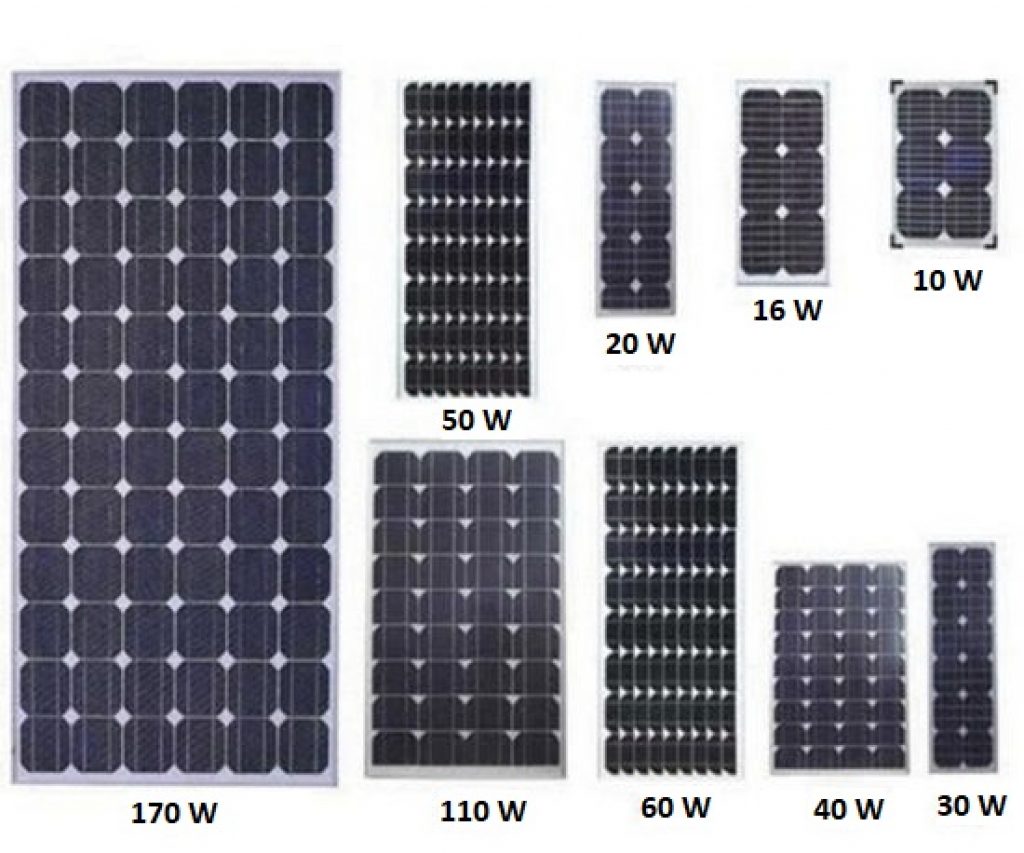
Most standard residential solar panels you'll see today fall into a range of about 300 to 450 watts per panel. Yeah, that's quite a spread, isn't it?
But wait, there's more! (Isn't there always?)

What Makes Panels Have Different Wattages?
Several things play a role in a panel's wattage, making some more powerful than others. It’s like how some cookies are just... more delicious.
First up, size matters. Generally, a larger panel with more solar cells will naturally produce more watts. More surface area for soaking up those rays usually means more power. Simple logic, really!
Then there's technology and efficiency. Solar panel tech is always improving, which is super cool! Newer, more advanced panels can squeeze more electricity out of the same amount of sunlight, even if they're the same physical size as an older, less efficient panel. Think of it as a super-smart sponge versus a regular sponge.

Also, the type of solar cells used inside the panel makes a difference. Monocrystalline panels (often look uniform and dark) are generally more efficient and thus have a higher wattage than polycrystalline panels (which can look a bit more patchwork blue). But don't worry too much about those fancy names; just know the tech behind the scenes is constantly getting better.
Why Does Wattage Matter For You?
Okay, so now you know the general wattage, but why should you care? Great question, and here's the sunny answer: Knowing the wattage helps you figure out two big things:
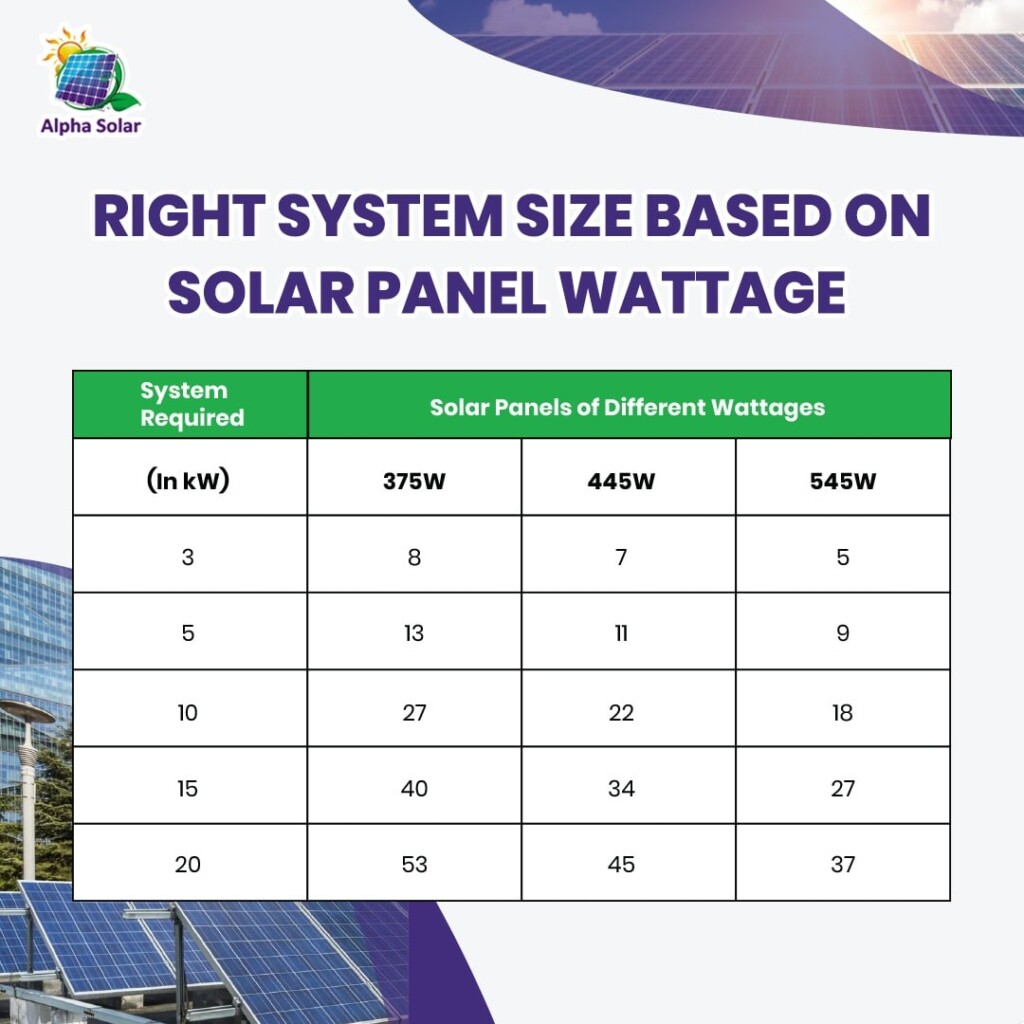
1. How many panels you'll need: If you know how much electricity your home uses (in kilowatt-hours, or kWh – we'll save that for another chat!) and you know the wattage of each panel, you can calculate roughly how many panels you'll need to power your life. It's like baking a cake; if you know how many servings you need and how big each slice is, you know how many cakes to make!
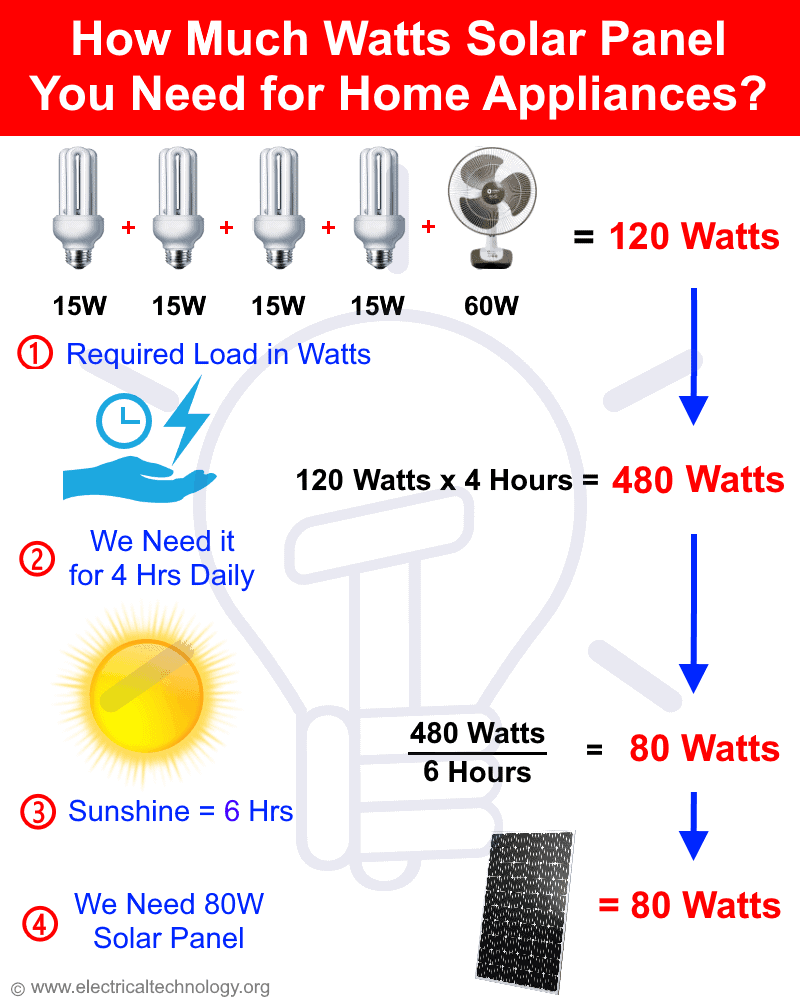
2. How much juice you'll get: Higher wattage panels mean fewer panels might be needed to reach your energy goals, or they can produce more power in a smaller space. Handy if your roof isn't the size of a football field!
Peak Power vs. Real-World Power (A Quick Aside)
One tiny, important detail: the wattage number you see on a panel (like "400 watts") is its peak power rating. This is how much it can produce under ideal lab conditions (think perfect angle, perfect temperature, perfect sunshine). In the real world, factors like clouds, dirt on the panel, temperature, and even the time of day mean your panel won't always hit that absolute peak.
But don't fret! Solar installers use sophisticated tools and software to account for all these real-world conditions when designing your system. So, you're always getting a realistic estimate of your home's solar potential. No magic, just good science!
The Takeaway: It's All Good!
So, the next time someone asks, "How many watts is a solar panel?" you can confidently say, "Well, my friend, it's typically between 300 and 450 watts, but it depends on the size, tech, and efficiency!" You'll sound like a pro!
The best part? No matter the exact wattage, every solar panel is a little powerhouse, quietly converting sunshine into clean, green electricity for your home. It’s helping you save money, reduce your carbon footprint, and make the world a sunnier, happier place.
Think about it: those panels are literally turning sunshine into the power for your morning coffee, your Netflix binge, and keeping your fridge cold. How cool is that?! So go ahead, dream big, dream sunny, because the future of energy is looking brighter than ever. You've got this!