
How Many Watts Is A Pellet Stove

Alright, settle in, grab a warm drink (maybe from a mug warmed by your hypothetical pellet stove!), because we're about to dive into the electrifying (pun intended!) question: "How many watts is a pellet stove?" Now, before you picture a giant calculator smoking from overwork, let's make this super simple and fun. Think of it as a friendly chat, not a dry physics lesson. We're here to warm your heart, not just your home!
The Big Wattage Reveal (It's Not a Single Number, Sorry!)
Here’s the deal: asking "how many watts is a pellet stove?" is a bit like asking "how fast is a car?" It depends! A tiny smart car is different from a roaring sports car, right? Same goes for pellet stoves. But don't fret, we can give you some awesome ballpark figures that'll make sense.
The wattage consumption of a pellet stove isn't constant. It has a couple of different "modes" of operation, and each mode sips (or sometimes gulps) electricity differently. Let's break it down into two main acts: startup and running.
Must Read
Act 1: The Grand Entrance (Startup Watts)
When you first hit that "on" button, your pellet stove is like a sleepy giant waking up. It needs a little jolt to get going. This initial surge is when it uses the most electricity, and it’s all thanks to one super important component: the igniter.
The igniter is essentially a super-hot heating element that literally lights the pellets on fire. Think of it as a mini blowtorch, but contained and safe! Because it needs to get really hot, really fast, it demands a fair bit of power.

During this startup phase, most pellet stoves will draw anywhere from about 300 to 500 watts. Some might even spike a bit higher momentarily, perhaps up to 700 watts for a quick second. This burst usually lasts for about 5 to 15 minutes, just long enough to get a nice, steady flame going. Once the fire is roaring, the igniter can kick back and relax. Phew!
Act 2: The Steady Cruise (Running Watts)
Once your pellet stove has successfully ignited and is happily chugging along, producing glorious warmth, its electricity needs drop significantly. This is where your stove becomes surprisingly efficient!
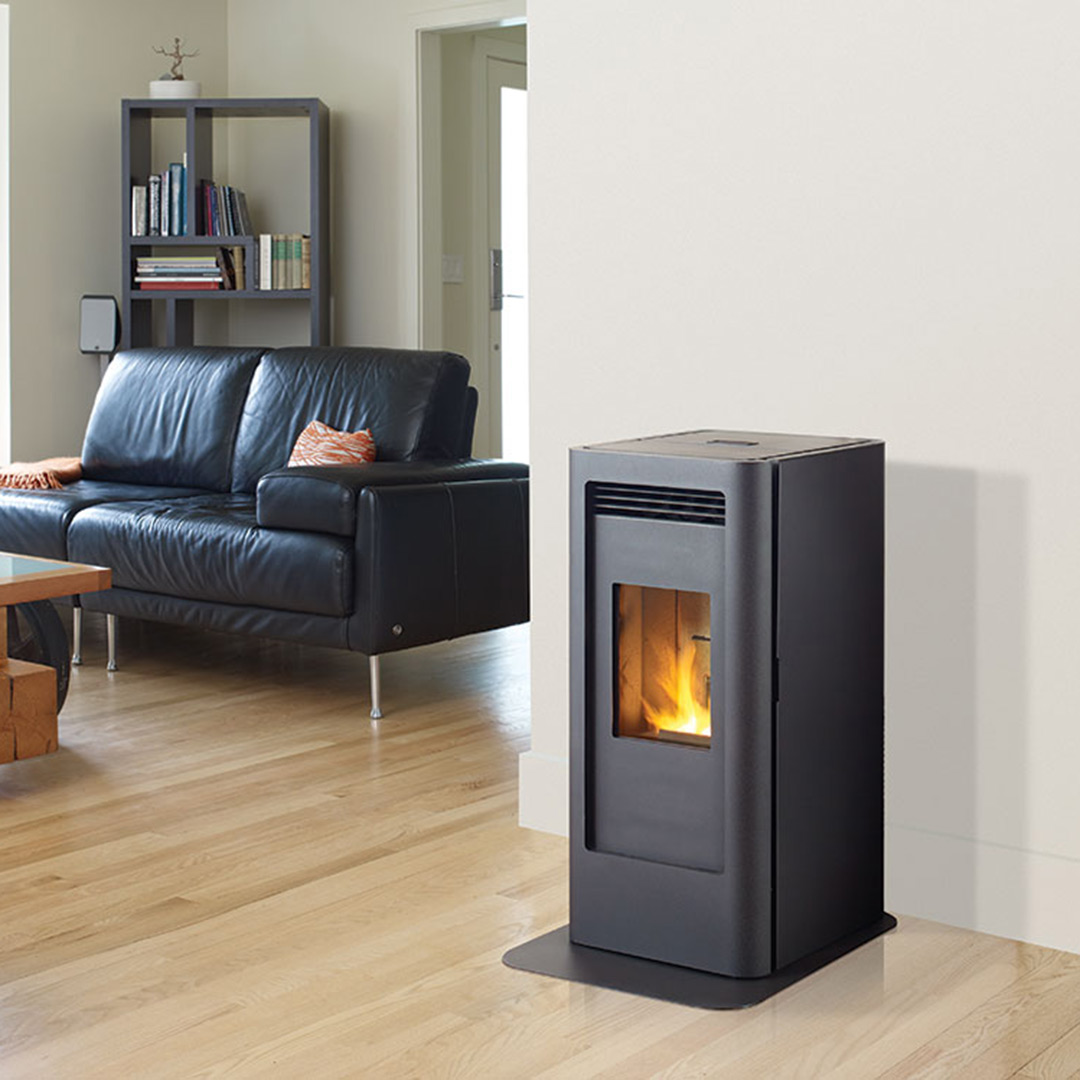
In its continuous running mode, a pellet stove primarily uses electricity for a few key things:
- Auger Motor: This little hero feeds pellets from the hopper into the burn pot. It only runs intermittently, so it's not a constant power hog.
- Combustion Fan: Pulls air into the burn pot for efficient burning and pushes exhaust out.
- Convection Fan: Blows warm air into your room. Ah, comfort!
- Control Board: The brains of the operation, keeping everything running smoothly.
For most modern pellet stoves, the running wattage is remarkably low, typically ranging from about 50 to 150 watts. That's right, sometimes less than a few incandescent light bulbs! Pretty neat, huh? It’s like it’s just gently sipping electricity while performing its cozy magic.
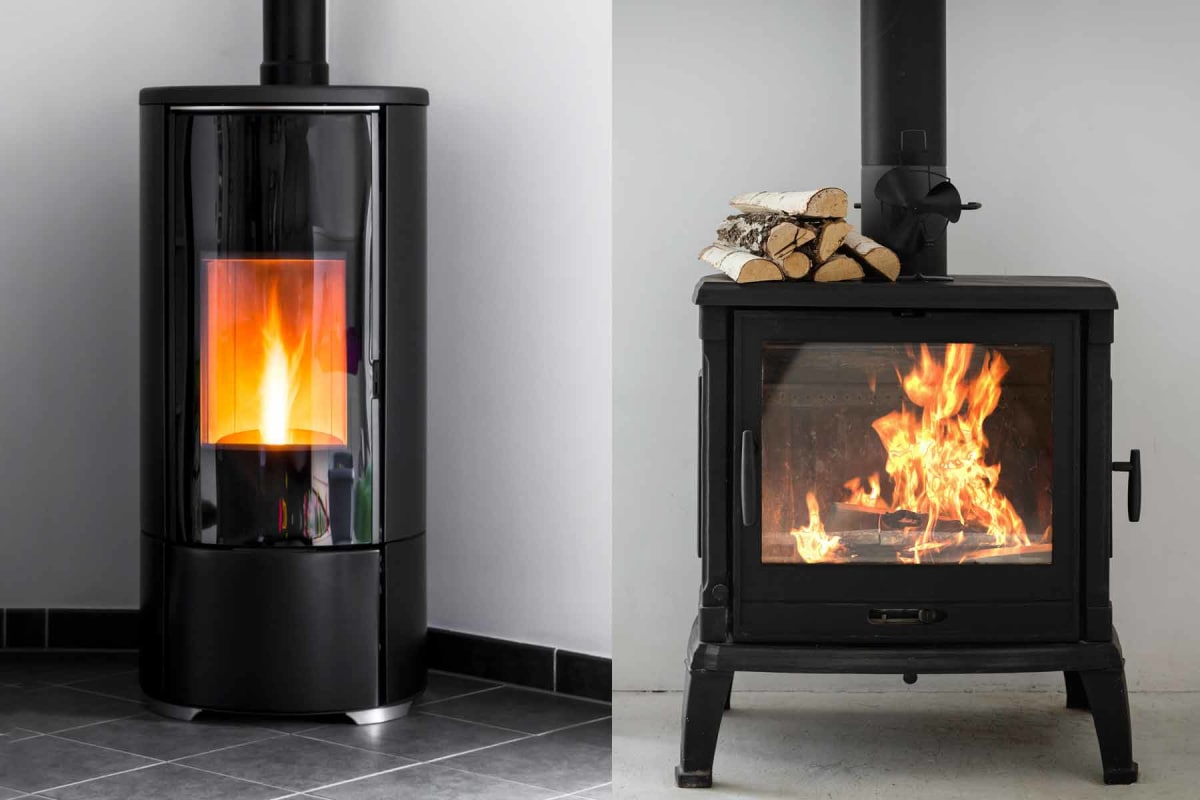
What Makes the Watts Wander? (Factors!)
So, why the range? A few things can influence how many watts your particular stove uses:
- Stove Size: Bigger stoves often have bigger fans and augers, meaning slightly higher running watts.
- Fan Speed: If you crank up the heat, the fans work harder, drawing a bit more power.
- Auger Frequency: On higher heat settings, the auger feeds pellets more often.
- Efficiency: Newer, more efficient models are often designed to minimize electrical draw.
Putting It In Perspective: Is That a Lot?
Let's compare. A typical hairdryer might pull 1500 watts. A microwave, 1000-1500 watts. Your fridge cycles, but when its compressor is running, it might draw 100-200 watts. So, once your pellet stove is running, it's pretty darn frugal with the electricity, especially considering the fantastic heat it's providing!
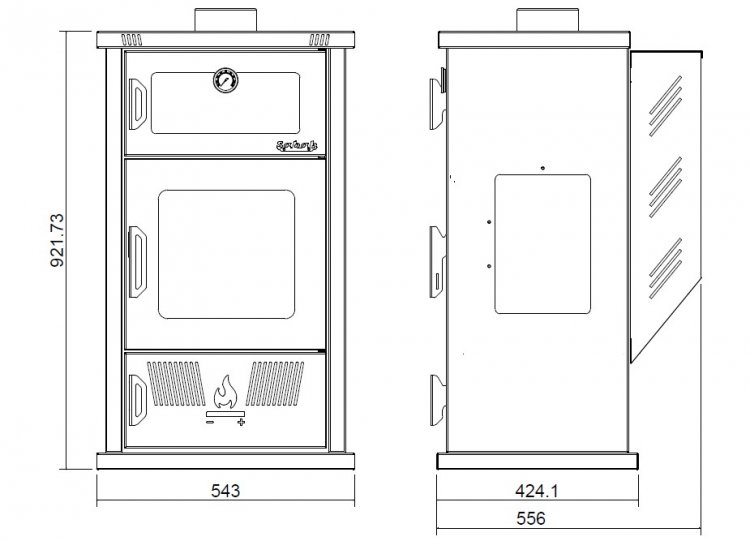
The main electrical draw is for that initial "fire-starting" party. After that, it settles into a nice, gentle hum of efficiency. This is why many folks with pellet stoves invest in a small UPS or battery backup for power outages – it just needs a little juice to keep those fans and augers going, not a massive generator.
The Warm, Fuzzy Conclusion
So, there you have it! While a pellet stove has a brief moment of electrical enthusiasm during startup (who doesn't love a good jumpstart to their day?), it quickly settles into a wonderfully energy-efficient rhythm. It provides warmth and comfort, often with a much smaller carbon footprint than fossil fuels, and barely sips from your electrical outlet once it's doing its thing.
It’s a fantastic way to heat your home, keep those energy bills in check, and enjoy the cozy ambiance of a real flame without all the fuss. So, go forth, embrace the warmth, and remember that your pellet stove is not just heating your home, it's also being a pretty clever little energy manager. Now, isn't that something to smile about? Stay warm, my friend!